The Lifespan of Natural Latex Mattresses: What to Expect
It's one of the most common questions we get, and for good reason: how long does a natural latex mattress *actually* last? The short answer is an impressive 15 to 25 years, but that number isn't a simple guarantee.
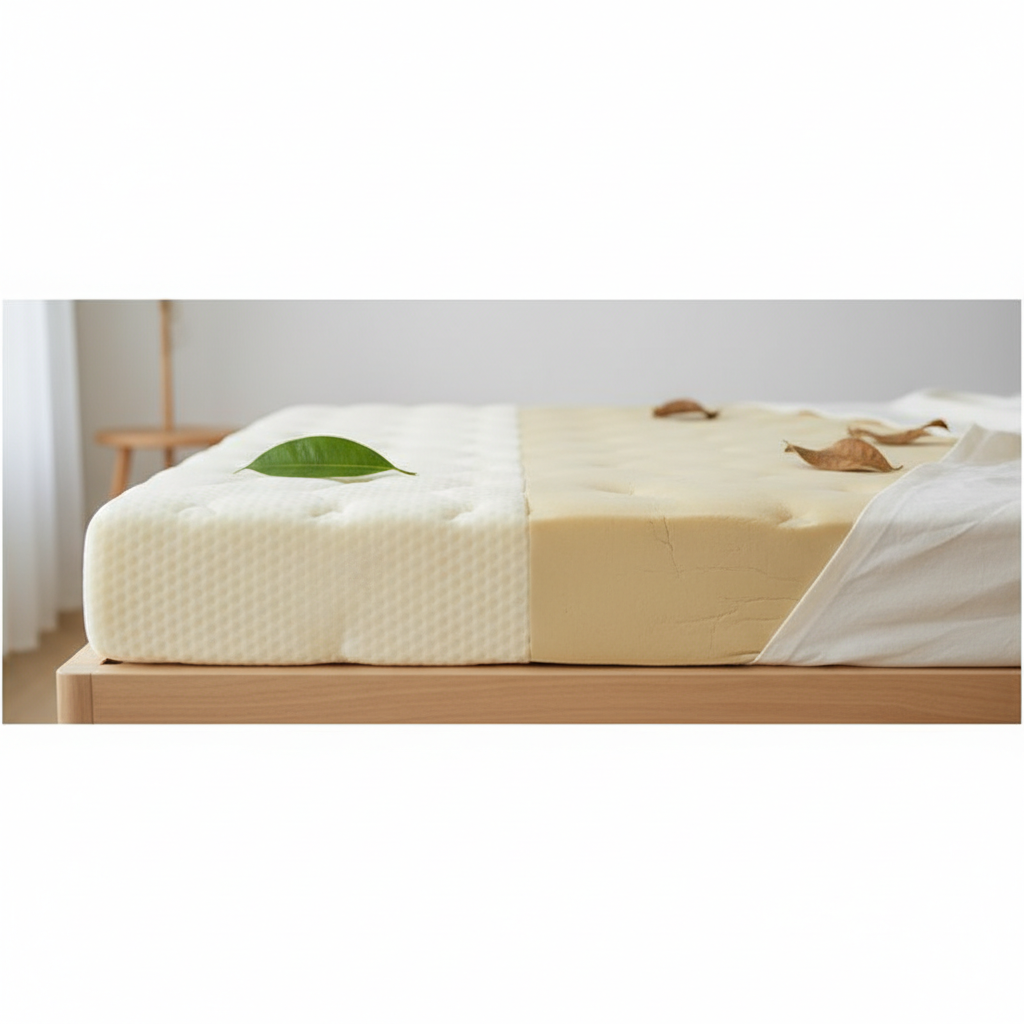
When investing in a new mattress, longevity is one of the most critical factors to consider. Among the various types available, natural latex mattresses stand out for their exceptional durability. On average, a high-quality, 100% natural latex mattress can last anywhere from 15 to 25 years, and sometimes even longer with proper care. This is significantly longer than the typical 7-10 year lifespan of most innerspring or memory foam mattresses.
This remarkable durability is due to the inherent properties of natural latex foam. Derived from the sap of rubber trees, latex is a highly resilient and elastic material. It can withstand years of compression without developing the permanent body impressions and sagging that plague other mattress types. However, not all latex mattresses are created equal, and several key factors can influence their exact lifespan.
Key Factors That Determine Latex Mattress Longevity
The 15-to-25-year range is a broad estimate. The actual lifespan of your specific latex mattress will depend on a combination of its construction, how it's supported, and the way it's used and maintained. Understanding these variables can help you maximize your investment.
1. Type and Purity of the Latex
The most significant factor is the composition of the latex itself. There are three main types you'll encounter, each with a different durability profile.
- 100% Natural Latex: This is the most durable and longest-lasting option. It's made entirely from the sap of the Hevea brasiliensis rubber tree. It can be processed using either the Dunlop or Talalay method. While both are durable, Dunlop latex is generally denser and often considered slightly more resilient to wear and tear over decades.
- Synthetic Latex: This type is made from petroleum-based compounds, primarily Styrene-Butadiene Rubber (SBR). While it is designed to mimic the feel of natural latex, it lacks the same elasticity and resilience. Synthetic latex mattresses are less expensive but tend to break down and degrade much faster, often lasting only 7-10 years.
- Blended Latex: As the name suggests, this is a mix of natural and synthetic latex. A common blend is 70% synthetic and 30% natural. While more durable than pure synthetic latex, a blended mattress will not last as long as a 100% natural latex mattress. Its lifespan typically falls somewhere in the middle, around 10-15 years.
2. Mattress Foundation and Support
The base your mattress rests on plays a crucial role in its longevity. A latex mattress is heavy and flexible, requiring a strong, supportive foundation to prevent premature sagging. Using an old, worn-out box spring or a frame with slats that are too far apart (more than 3 inches) can cause the mattress to dip and lose its shape over time.
The best foundations for a latex mattress are a solid platform bed or a slatted base with rigid, closely spaced slats. This ensures even support across the entire surface, distributing weight properly and allowing the latex to perform as intended for many years.
3. Sleeper Weight and Sleeping Habits
The amount of weight and pressure placed on a mattress nightly will naturally affect its lifespan. A mattress used by a heavier individual or a couple will experience more stress than one used by a single, lighter person. While natural latex is incredibly resilient, constant, heavy pressure can accelerate the softening of the foam over a very long period.
Similarly, sleeping habits matter. If you always sleep in the exact same spot, that area will wear faster. Regularly rotating the mattress (head-to-foot) every six months can help distribute the wear evenly, preventing one area from developing impressions before the others.
4. Firmness Level (ILD Rating)
Latex firmness is measured by its Indentation Load Deflection (ILD) rating. A higher ILD means the latex is firmer. Generally, denser, firmer latex has more material packed into it and tends to be slightly more durable than very soft latex. A very soft latex comfort layer might show signs of softening a bit sooner than a firm support core, although the difference is often minimal with high-quality natural latex.
5. Proper Care and Maintenance
Like any major purchase, a latex mattress will last longer if you take care of it. Using a high-quality, breathable mattress protector is essential. It shields the latex from moisture, spills, sweat, and oils, which can degrade the foam over time. It also protects against dust mites and allergens.
Spot cleaning any spills immediately according to the manufacturer's instructions is also important. Avoid using harsh chemical cleaners, as they can damage the natural latex structure. Keeping the mattress well-supported and rotating it periodically are the cornerstones of good maintenance.
Understanding Latex: From Rubber Tree to Your Bedroom
The journey of a natural latex mattress begins in a tropical forest, typically in Southeast Asia. It starts with the sap of the Hevea brasiliensis, or rubber tree. Harvesters make careful incisions in the bark, a process known as "tapping," which allows a milky-white liquid to flow out and be collected in cups. This process is sustainable and does not harm the tree, which can be tapped for up to 30 years.
Once collected, this raw liquid latex is processed into foam using one of two methods: Dunlop or Talalay. In the Dunlop method, the sap is whipped into a froth, poured into a mold, and baked (vulcanized). Gravity causes sediment to settle at the bottom, making the resulting foam slightly denser on the bottom layer. The Talalay process is more complex; the mold is only partially filled, then sealed and expanded by a vacuum before being flash-frozen and baked. This creates a more consistent and often softer cell structure. Both methods produce incredibly durable and supportive foam, forming the foundation of a mattress built to last.
Common Questions About Latex Mattress Durability
Even with a long potential lifespan, users often have specific concerns about how a latex mattress will perform over time. Here are answers to some of the most frequently asked questions.
How Can You Tell When It's Time to Replace a Latex Mattress?
Even the most durable mattress will eventually need to be replaced. With latex, the signs of aging are often more subtle and appear much later than in other mattress types. Look for visible sagging or permanent body indentations that don't spring back. If you measure a dip that is more than 1.5 inches deep, it's a clear sign the support is compromised.
You might also notice a change in performance. If you start waking up with aches and pains, or if you feel you're "bottoming out" and not getting the pressure relief you once did, the mattress may have lost its supportive qualities. A significant increase in allergy symptoms could also indicate that dust mites and other allergens have accumulated in an older, unprotected mattress.
Do Natural Latex Mattresses Sag Over Time?
One of the primary reasons people choose latex is its incredible resistance to sagging. The natural elasticity of rubber allows it to spring back to its original shape time and time again. While no mattress is completely immune to sagging after 20+ years of use, natural latex sags significantly less and much more slowly than memory foam or innerspring mattresses.
When sagging does occur in a latex mattress, it's often due to external factors rather than a failure of the material itself. The most common cause is an inadequate foundation that lacks proper center support, allowing the heavy mattress to bow in the middle. Low-quality blended or synthetic latex is also far more prone to developing permanent impressions than 100% natural latex.
What's the Difference Between All-Latex and Latex Hybrid Mattresses?
An all-latex mattress is constructed entirely from layers of latex foam, typically with a denser, firmer layer for the support core and a softer layer for the comfort top. A latex hybrid mattress, on the other hand, combines a comfort layer of latex on top with a support core made of individually wrapped innerspring coils.
This difference in construction directly impacts lifespan. An all-latex mattress, particularly one made of 100% natural Dunlop latex, will have the longest potential lifespan (15-25 years). A latex hybrid's durability is limited by its weakest component: the steel coils. While pocketed coils are more durable than traditional innersprings, they will still lose their tension and support over 8-12 years, meaning the hybrid mattress will likely need replacing sooner than its all-latex counterpart, even if the latex layer on top is still in good condition.
Conclusion
A 100% natural latex mattress is one of the most durable and long-lasting options on the market, with a typical lifespan of 15 to 25 years. Its longevity is rooted in the natural resilience of rubber foam, which resists sagging and body impressions far better than synthetic foams or innerspring systems. To get the most out of your investment, it's crucial to choose a high-quality natural product, provide it with a strong and supportive foundation, and perform simple routine maintenance like rotating it and using a mattress protector. By considering these factors, you can enjoy consistent comfort and support for decades.
For more information on mattress materials and responsible disposal, you can visit the Mattress Recycling Council or learn about organic certifications at the Global Organic Latex Standard (GOLS) website.