The Lifespan of Your Septic Tank: What to Expect and How to Maintain It
Wondering how many years you can really get out of your septic tank? The honest answer is that it depends, primarily on what your tank is made of. A concrete tank's lifespan is drastically different from that of a plastic or steel model.
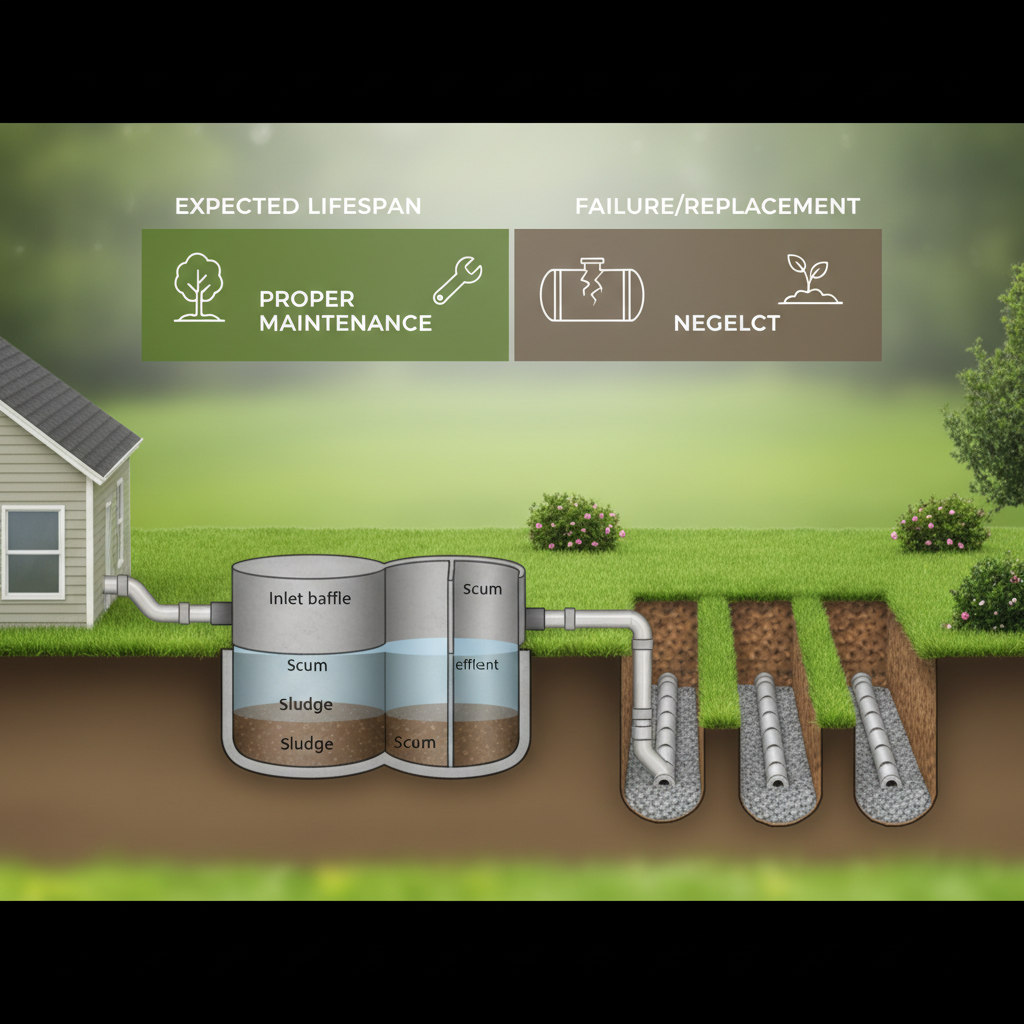
How Many Years Does A Septic Tank Last? A Comprehensive Guide
For homeowners in areas without access to municipal sewer systems, a septic tank is a critical component of daily life. This underground wastewater treatment structure is responsible for handling everything that goes down your drains. Given its importance and the significant cost of replacement, one of the most common questions homeowners have is, "How long will my septic tank actually last?" The answer isn't a single number; it depends heavily on the tank's material, the quality of its installation, soil conditions, and, most importantly, how well it's maintained.
Understanding the expected lifespan of your septic system can help you budget for future repairs or replacements and encourage proactive maintenance to maximize its longevity. A well-cared-for system can serve a home for decades, while a neglected one can fail prematurely, leading to costly and unpleasant problems. This guide will break down the typical lifespans of different septic tank types and explore the key factors that influence their durability.
Septic Tank Lifespan by Material Type
The material your septic tank is made from is the single biggest predictor of its potential lifespan. Each material has its own unique set of strengths and weaknesses when buried underground and subjected to constant moisture and corrosive gases.
Concrete Septic Tanks
Concrete is the most common material for septic tanks, especially in older installations. These tanks are incredibly heavy and durable, making them resistant to pressure from the surrounding soil. A high-quality, properly installed concrete tank can last for 20 to 40 years, and sometimes even longer. Their sheer weight helps keep them stable in the ground, preventing them from "floating" in areas with high water tables.
However, concrete is not indestructible. Over time, the acidic gases produced during wastewater decomposition (like hydrogen sulfide) can corrode the concrete, particularly the top portion of the tank. This can weaken the structure and lead to cracks or the degradation of the baffles—the crucial components that direct wastewater flow and prevent solids from entering the drain field. Poor-quality concrete or improper installation can also lead to premature cracking, allowing groundwater to seep in or wastewater to leak out.
Steel Septic Tanks
Steel septic tanks were a popular choice several decades ago but are rarely installed today due to their significant drawback: rust. When buried, these tanks are constantly exposed to moisture from both the inside and the outside, making corrosion inevitable. The average lifespan for a steel septic tank is typically 15 to 25 years.
The primary mode of failure for a steel tank is rusting from the top down. The corrosive gases inside the tank eat away at the metal, and eventually, the top can become so weak that it collapses under the weight of the soil above. This creates a serious safety hazard. If you have a steel tank, regular inspections are crucial to assess its structural integrity and plan for a replacement before a catastrophic failure occurs.
Plastic (Polyethylene/HDPE) Septic Tanks
Modern plastic or polyethylene tanks have become increasingly popular due to their numerous advantages. They are lightweight, which makes them easier and cheaper to transport and install. More importantly, they are completely resistant to rust and corrosion from soil chemicals or internal sewer gases. Because they don't degrade chemically, a plastic septic tank can have an expected lifespan of 30 years or more.
Despite their long lifespan, plastic tanks have their own vulnerabilities. Their lightweight nature makes them susceptible to damage during installation if not handled carefully. They can also be damaged by heavy vehicle traffic driving over them if not buried deep enough. In areas with high water tables, an empty or partially empty plastic tank can be buoyant, potentially "floating" out of the ground if not properly anchored during installation.
Fiberglass (FRP) Septic Tanks
Fiberglass tanks, much like their plastic counterparts, are a modern alternative to concrete and steel. They share many of the same benefits as plastic tanks, including being lightweight and immune to rust and corrosion. This gives them a long potential lifespan, often cited as 30+ years.
Fiberglass is generally considered stronger and more rigid than polyethylene, making it less susceptible to structural changes from soil pressure. However, this rigidity can also be a weakness. Under extreme stress, such as from improper backfilling or significant soil shifting, a fiberglass tank is more prone to cracking than a more flexible plastic tank. As with plastic tanks, proper installation is paramount to ensure their longevity and prevent physical damage.
What Factors Influence a Septic Tank's Lifespan?
Beyond the material itself, several external factors play a critical role in determining how long your septic system will function properly. A high-quality tank can fail early if these factors are not managed, while a standard tank can exceed its expected lifespan with proper care.
- Installation Quality: This is arguably the most important factor. A septic tank needs to be set on a level, stable bed of sand or gravel. The backfill material must be free of large rocks or sharp objects that could damage the tank. Improper installation can create stress points that lead to cracks and leaks, regardless of the tank material.
- Soil Conditions: The type of soil on your property matters. Highly acidic soil can accelerate the corrosion of concrete and steel tanks. Unstable or shifting soil can put physical stress on any type of tank. Rocky soil can make proper installation difficult and increase the risk of physical damage.
- Maintenance Schedule: Regular pumping is essential. A septic tank should be pumped every 3-5 years, depending on household size and usage. This removes the buildup of solid sludge and scum, preventing it from flowing into and clogging the drain field, which is often the most expensive part of the system to replace.
- Household Usage: What you put down the drain directly impacts your septic system. Harsh chemicals, bleach, antibacterial soaps, and grease can kill the beneficial bacteria needed to break down waste. Flushing non-biodegradable items like "flushable" wipes, feminine hygiene products, or paper towels can cause clogs and overwhelm the system.
- Physical Damage: Protecting the area around your septic tank and drain field is crucial. Never drive or park heavy vehicles over any part of the system. Be mindful of tree roots, as they can grow into pipes and even the tank itself, causing cracks and blockages.
Common Questions About Septic Tank Longevity and Failure
Understanding the basics of septic tank lifespans often leads to more specific questions about system health and maintenance. Here are answers to some of the most common queries.
What Are the Telltale Signs of a Failing Septic Tank?
A failing septic system rarely happens overnight. It usually provides warning signs that something is wrong. Paying attention to these signals can help you address a problem before it becomes a catastrophic and expensive failure. One of the most common indicators is slow drains. If your sinks, showers, and toilets are all draining sluggishly, it could point to a problem with your septic system rather than an isolated clog.
Other major warning signs appear outside. Be on the lookout for unusually green or lush patches of grass over your tank or drain field, which can indicate that nutrient-rich wastewater is leaking. Puddles of standing water or foul, sewage-like odors in your yard are more direct signs of a serious issue. Finally, any sewage backing up into your home through drains or toilets is an unmistakable sign that your system is overloaded or has failed.
Can You Extend the Life of Your Existing Septic Tank?
Absolutely. Proactive care is the best way to maximize the lifespan of any septic system. The single most effective thing you can do is adhere to a regular pumping schedule. Pumping removes the solids that can otherwise clog your drain field, the failure of which often necessitates a full system replacement. An experienced technician can also perform a visual inspection during pumping to check for cracks or baffle integrity.
Beyond pumping, practicing water conservation reduces the load on your system. Spreading out laundry loads throughout the week is better than doing multiple loads in one day. Be mindful of what goes down your drains—avoid grease, harsh chemicals, and non-biodegradable items. Finally, protect the area around your system. Divert rainwater runoff away from the drain field to prevent it from becoming saturated, and don't plant trees or large shrubs too close to any components.
How Does the Drain Field's Lifespan Relate to the Tank?
It's crucial to remember that a septic system is composed of two main parts: the tank and the drain field (also called a leach field). While the tank can last for decades, the drain field often has a shorter lifespan, typically 15 to 25 years. The two components are intrinsically linked; the health of one directly impacts the other.
The tank's job is to separate solids from liquid effluent. If the tank is not pumped regularly, solid waste can flow into the drain field's perforated pipes, clogging them and the surrounding soil. This can cause the drain field to fail prematurely, even if the tank itself is in good condition. Conversely, a failing tank with cracks can leak solid waste, which also destroys the drain field. Because replacing a drain field is an extensive and costly excavation project, protecting it by properly maintaining your septic tank is the most important investment you can make in your system's overall longevity.
Conclusion
A septic tank's lifespan is not set in stone. While a concrete tank might be expected to last up to 40 years and a plastic tank for 30 or more, these figures are just estimates. The actual longevity of your system is deeply influenced by the quality of the installation, your local soil conditions, and your daily habits. By committing to regular maintenance, being careful about what you send down the drain, and protecting the system from physical damage, you can ensure your septic tank serves your home effectively for many decades to come.