The Most Reliable Washing Machines: Brands with the Lowest Repair Rates
Choosing a new washing machine is a big investment, and the last thing anyone wants is to deal with frequent breakdowns. That's why we've analyzed service data from thousands of units to pinpoint exactly which brands and models have the lowest repair rates.
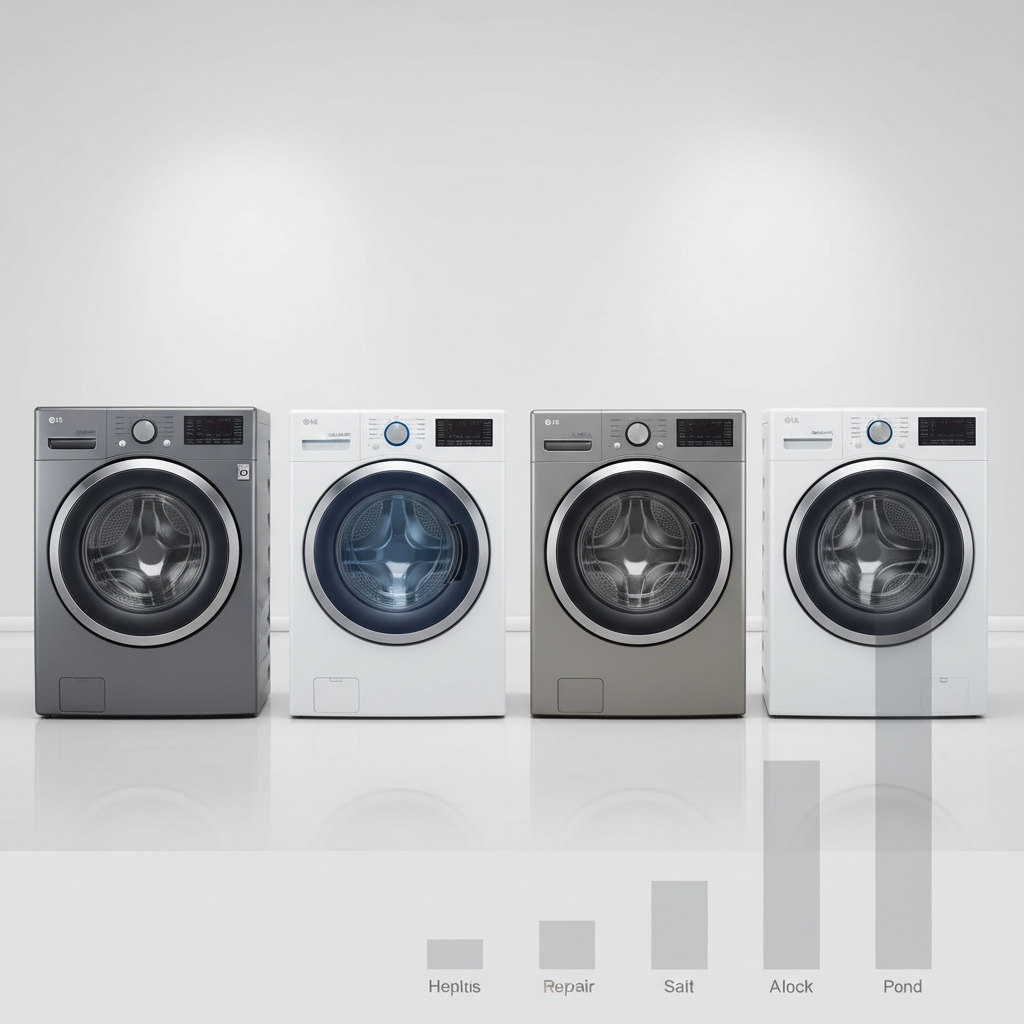
Washing Machines With The Lowest Repair Rates
When investing in a major home appliance like a washing machine, reliability is often the most important factor. A washer that constantly needs repairs is not only frustrating but also costly in the long run. Fortunately, extensive data from consumer reports and appliance repair technicians have identified several brands that consistently stand out for their durability and low frequency of service calls. Choosing a model from one of these manufacturers can significantly increase your chances of enjoying years of trouble-free laundry days.
This guide explores the brands renowned for having the lowest repair rates. We'll look at what makes their machines so dependable, from their construction and engineering to their core design philosophies. Understanding these differences will help you make a more informed decision for your next purchase.
Brands Known for Exceptional Reliability
While no appliance is completely immune to issues, the following brands have built a strong reputation for manufacturing washing machines that require fewer repairs than the competition.
Speed Queen
When the conversation turns to durability, Speed Queen is almost always the first name mentioned. The company builds its residential machines to the same commercial-grade standards as the washers used in laundromats and other demanding environments. This means they are designed to withstand heavy, constant use for decades. Their philosophy centers on simplicity and robust engineering, often forgoing complex electronic controls and trendy features in favor of proven mechanical systems that are less prone to failure. The internal components, such as the all-metal transmission and commercial-grade motors, are built to last, which is why the brand can confidently offer some of the best warranties in the industry, often covering parts and labor for five to seven years, with lifetime warranties on key components.
The trade-off for this exceptional reliability is often a higher upfront cost and a more basic feature set. Speed Queen washers are not known for their smart connectivity, steam cycles, or vast selection of wash options. Instead, they focus on doing one thing exceptionally well: washing clothes reliably for a very long time. For consumers who prioritize longevity and performance over the latest technology and are willing to invest more initially for long-term peace of mind, a Speed Queen washer remains the undisputed champion of low repair rates.
LG
Over the past decade, LG has earned a stellar reputation for reliability, particularly in the front-load washer market. A key factor in their success is the widespread use of their Direct Drive motor system. Unlike traditional washers that use belts and pulleys to spin the drum—components that can wear out, slip, or break over time—LG’s motor is attached directly to the drum. This design has fewer moving parts, resulting in less vibration, quieter operation, and significantly enhanced durability. LG backs this technology with a 10-year warranty on the motor, showcasing their confidence in its longevity.
Beyond their innovative motors, LG consistently receives high marks for customer satisfaction and low repair rates across their entire lineup, from basic models to feature-rich smart appliances. They have managed to successfully integrate modern technology like Wi-Fi connectivity and advanced cleaning cycles without compromising the core dependability of the machine. This makes LG an excellent choice for households looking for a balance of modern features and proven, long-lasting performance.
Whirlpool
Whirlpool is a household name in the appliance industry and has maintained a long-standing reputation for producing dependable and easy-to-service washing machines. The brand particularly excels in the top-load washer category, where their designs are often straightforward and built with widely available parts. This is a significant advantage, as it means that if a repair is eventually needed, technicians are very familiar with the machines and can source replacement parts quickly and affordably. This simplicity in design directly contributes to their lower-than-average repair rates.
While Maytag (a brand owned by Whirlpool) is often marketed as the more heavy-duty option, Whirlpool’s core models offer fantastic reliability for their price point. They provide a solid, no-frills washing experience that millions of consumers trust. For those seeking a reliable workhorse appliance without a premium price tag, Whirlpool offers a compelling blend of performance, affordability, and dependability that is hard to beat.
Maytag
Famous for its "Maytag Man" advertising campaign that highlighted the brand's dependability, Maytag continues to build its identity around toughness and power. As part of the Whirlpool Corporation, Maytag washers often share a similar internal platform but are engineered with more robust components, such as commercial-grade motors and heavy-duty springs, to handle tougher jobs. This focus on heavy-duty construction makes them a favorite for large families or anyone who regularly washes bulky items like bedding and work clothes.
Maytag backs its claims of durability with excellent warranties, typically offering a 10-year limited parts warranty on the drum and motor. While they offer a range of both top-load and front-load models, their traditional top-load agitator washers are particularly celebrated for their straightforward mechanics and low failure rates. For consumers who need a machine that can take a beating and keep running, Maytag remains a top contender for reliability.
What Makes a Washing Machine Reliable?
A brand's reputation for reliability isn't accidental; it's the result of specific design choices and engineering philosophies. One of the most significant factors is the type of motor used. As mentioned with LG, direct-drive motors have fewer moving parts than traditional belt-drive systems. This reduction in complexity means there are fewer components that can wear down, stretch, or break, leading to a longer operational lifespan and quieter performance.
Build quality is another critical element. Brands like Speed Queen use heavy-gauge steel, all-metal transmissions, and stainless steel tubs, which resist wear and tear far better than the plastic components found in many budget models. The quality of the suspension system, which absorbs vibrations from an unbalanced load, also plays a crucial role. A robust suspension protects other components from damage over time. Finally, there is often a correlation between simplicity and reliability. Machines with fewer complex electronic control boards and sensors have fewer potential points of failure. While features like steam and auto-dosing are convenient, they add complexity that can sometimes lead to more service calls.
Frequently Asked Questions About Washer Longevity
Even after choosing a reliable brand, many users have questions about how to maximize their washer's lifespan and which type is best for their needs.
Top-Load vs. Front-Load: Which Is More Dependable?
Historically, traditional top-load washers with a central agitator have been considered more reliable. Their mechanical systems are simpler, and they have been in production for decades, allowing manufacturers to perfect the design. They are generally easier and cheaper to repair because their parts are more accessible. Gravity works in their favor, meaning the main drum bearing doesn't have to support the entire weight of the tub and wet clothes against its seal, which is a common failure point in front-loaders.
However, modern front-load washers, especially from reliable brands like LG, have closed the gap significantly. The direct-drive motor has eliminated the problematic belts and pulleys, and seal technology has improved. While a front-loader's door gasket can still be a source of leaks or mold if not maintained, their overall build quality has become excellent. Today, the choice between them is less about a massive difference in reliability and more about user preference for cleaning style, water efficiency, and ergonomics.
Do 'Smart' Features Increase the Likelihood of Repairs?
This is a valid concern for many modern buyers. The addition of Wi-Fi modules, touch screens, and complex sensors inherently adds more potential points of failure to a machine. An electronic control board is often one of the most expensive components to replace, and its failure can render the entire appliance useless. A washer can have a perfectly functional motor and drum, but if the circuit board that controls them fails, it won't run.
That said, leading manufacturers have become much better at integrating this technology reliably. A smart feature on a washer from a top-tier brand is less likely to fail than one on a budget model. The key is to weigh the convenience against the risk. If you will genuinely use features like remote start or cycle notifications, they can be worth it. If not, opting for a simpler model with fewer electronics is a straightforward way to eliminate potential repair headaches down the road.
Conclusion
Choosing a washing machine with a low repair rate is a smart investment in your home. Brands like Speed Queen, LG, Whirlpool, and Maytag have consistently demonstrated a commitment to quality engineering, resulting in durable and dependable appliances. While Speed Queen leads the pack with its commercial-grade, no-frills approach, LG offers a fantastic combination of modern features and mechanical reliability. Whirlpool and Maytag provide trusted, workhorse performance that is both accessible and easy to service. By prioritizing build quality, proven motor technology, and a design philosophy that matches your needs, you can find a washing machine that will serve your household reliably for many years to come.