The Real Pathway to College Football: Understanding Recruitment for Aspiring Athletes
Discover the intricate journey of how football players get recruited by US colleges. Learn about the scouting, evaluation, and recruitment processes that talented athletes navigate. Understand what coaches seek and how players can increase their chances of catching the eye of US college recruiters.
The Importance of Understanding College Football Recruiting
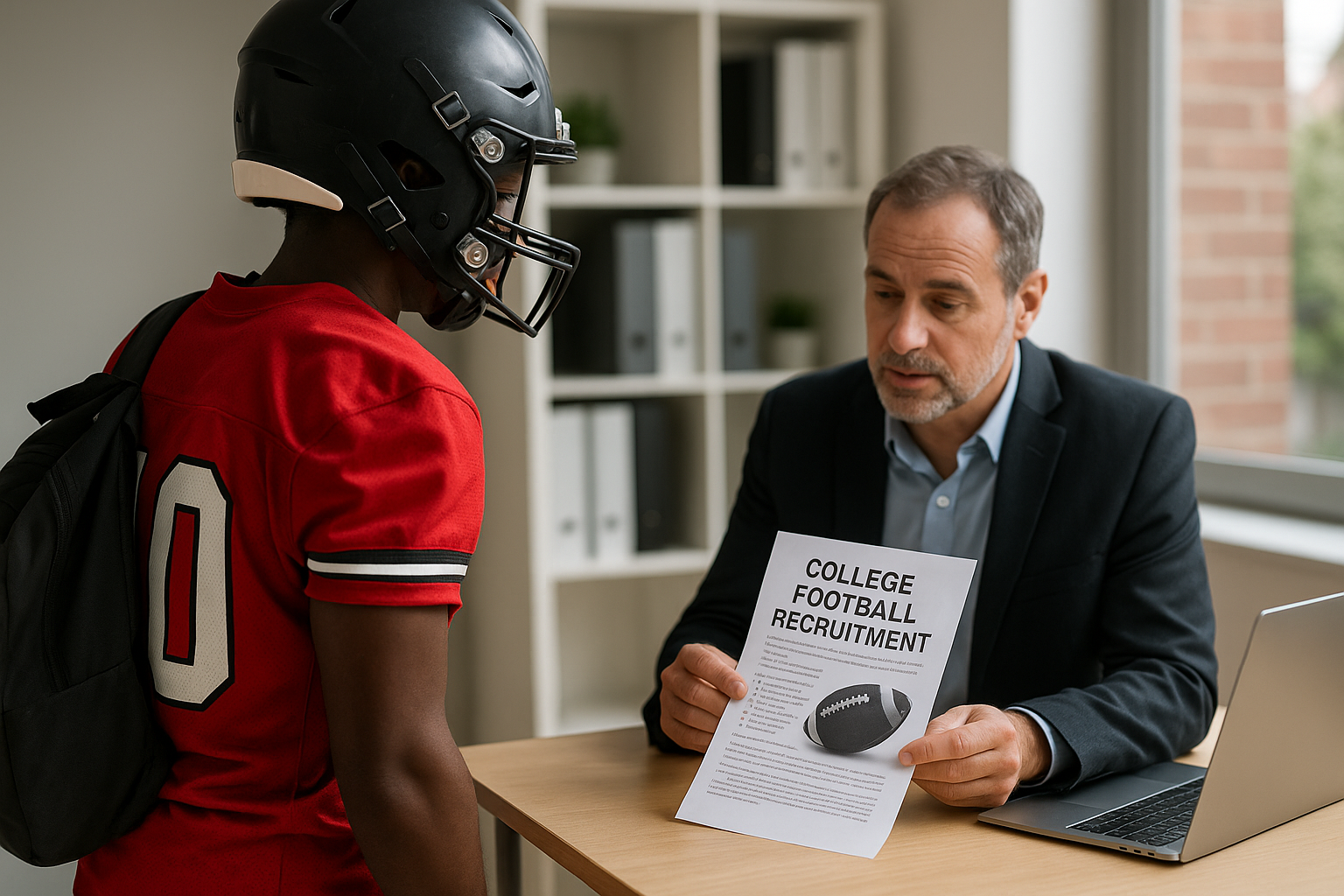
College football recruiting in the United States is a highly competitive process that involves attracting talented high school athletes to play for collegiate teams. The recruitment process is fundamental to the success of college football programs, as it helps them maintain strong teams and compete at high levels. But how exactly do football players get recruited by US colleges? Let's delve deeper into the recruiting process, the steps athletes can take to get noticed, and what resources are available to help navigate this journey.
Understanding the Recruitment Process
The recruitment process for college football is multifaceted and can be overwhelming for those unfamiliar with it. It is important to know that recruitment is not just about a player's athletic abilities; it also involves academic performance, character assessment, and compliance with NCAA regulations.
- Evaluation Period: Coaches evaluate prospective student-athletes through game footage, scouting events, and performance metrics.
- Contact Period: During specific periods, coaches can contact players and their families to express interest and gather more information.
- Official Visits: Recruits can take official visits to schools, where travel expenses are typically covered by the college.
- Commitment: Understanding verbal and signed commitments is crucial, as players often have a choice of scholarship offers to consider.
Steps Athletes Can Take to Get Noticed
Aspiring college football players need to be proactive to attract the attention of college recruiters. Here are some essential steps to help players stand out:
- Create an Impressive Highlight Reel: A quality highlight video showcasing key skills and performances is critical. It should be professionally edited and easily accessible to coaches.
- Optimize Your Online Presence: Keeping profiles on platforms like Hudl, Twitter, and Instagram updated with performance stats, videos, and achievements helps recruiters track player progress.
- Attend Football Camps and Combines: Participating in well-regarded camps and combines increases visibility and provides networking opportunities with coaches and scouts.
- Excel Academically: Academic achievement is crucial. The NCAA has specific academic requirements, and high grades can significantly enhance a player's appeal.
Key Attributes Coaches Look For
Coaches look for specific attributes in potential recruits. Beyond raw talent, these characteristics can set players apart in the recruiting process:
- Work Ethic: Demonstrating a strong work ethic both on and off the field indicates a player's commitment and potential for development.
- Leadership Qualities: Team captains or players who showcase leadership in challenging situations are highly regarded.
- Coachability: Athletes who are open to feedback and willing to accept coaching can adapt and improve, which is appealing to college programs.
Navigating NCAA Rules and Regulations
Compliance with NCAA rules is crucial throughout the recruitment process. The NCAA provides guidelines that student-athletes must follow, including eligibility requirements, recruitment timelines, and scholarship regulations.
Recent Developments: In 2026, the NCAA enacted new policies regarding Name, Image, and Likeness (NIL) agreements, allowing student-athletes greater flexibility to earn endorsements. Understanding these updates is important for those entering the recruitment process.
Utilizing Resources and Support Systems
Numerous resources are available to assist athletes and their families during the recruiting process. These can provide guidance on everything from creating highlight reels to understanding compliance guidelines.
- College Recruiting Services: Services like NCSA Sports offer tools and connections to help athletes promote themselves effectively.
- High School Coaches: Building strong relationships with high school coaches who can advocate on behalf of the player and facilitate connections with college programs.
- Online Educational Platforms: Platforms such as Hudl and MaxPreps offer insights, analytics, and exposure to a broad audience of recruiters.
Real-World Examples of Recruitment Success
Consider the success story of Jeremy Hughes, a high school player from Texas, who used strategic planning to secure a position at a Division I school. Through committed participation in regional camps and leveraging online platforms, Jeremy gained visibility and multiple scholarship offers.
Similarly, in 2026, the collegiate journey of Tasha Morgan, now made easier with NCAA’s updated NIL rules, became a viral sensation, inspiring more female athletes to pursue football and higher education simultaneously.
Conclusion: Taking the Next Step
For aspiring football players, understanding how to navigate the recruitment process is crucial to securing a spot on a college team. With the right strategies, resources, and support systems, players can enhance their visibility and appeal to college coaches. Staying informed about updates in NCAA rules and embracing opportunities for personal and athletic development are key components of recruitment success.