The Return of Flare Pants for Women: A Fashion Forward Revival
It’s not just your imagination—flare pants are officially making a major comeback, and it's about more than just 70s nostalgia. This time, the trend is rooted in a universally flattering silhouette and surprising versatility that works for almost any occasion.
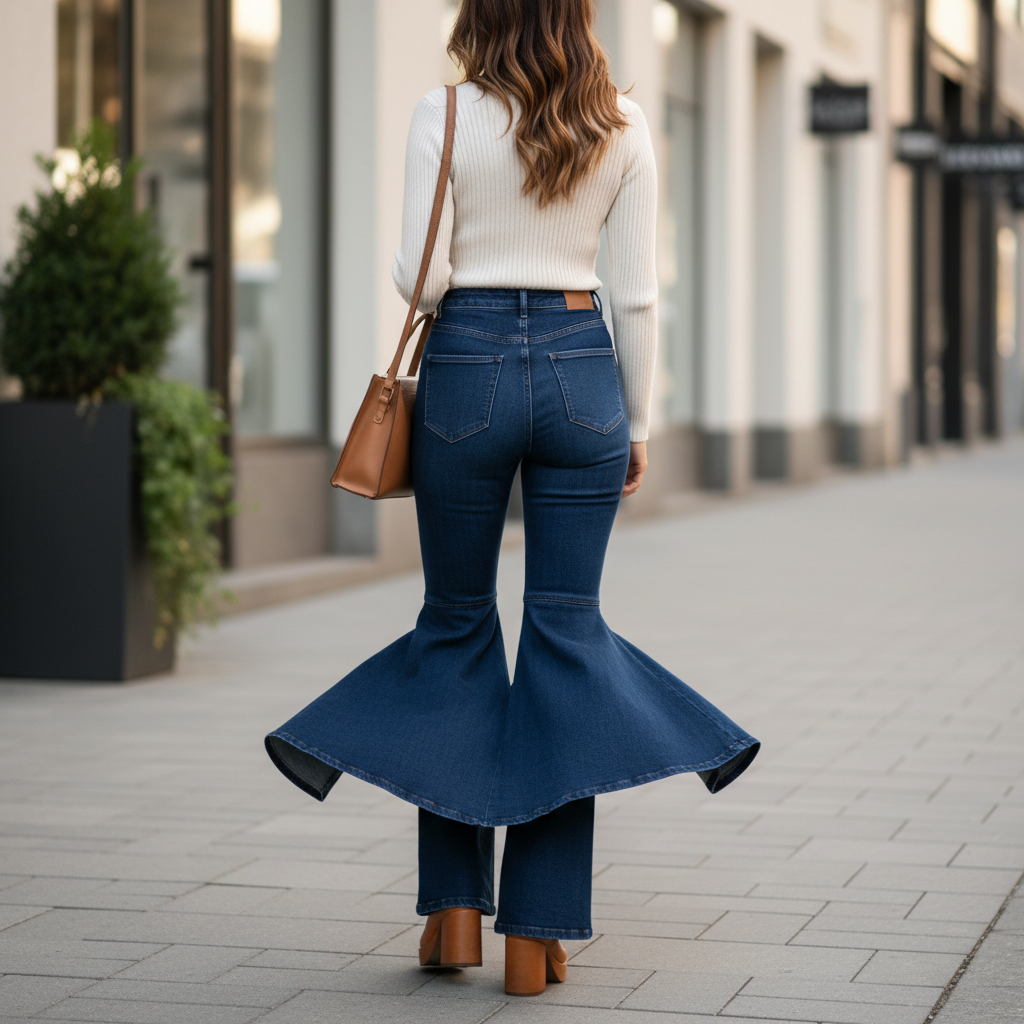
Why Flare Pants Are Making A Comeback For Women
Key Reasons for the Flare Pant Revival
Once a defining silhouette of the 1970s, flare pants have re-emerged from the fashion archives to reclaim a prominent spot in modern wardrobes. This comeback isn't just a fleeting trend; it's driven by a combination of cultural shifts, a desire for flattering fits, and a collective move away from the styles that dominated the last decade. From high-fashion runways to everyday street style, the flared leg is proving its timeless appeal. Understanding the forces behind this resurgence reveals why this vintage-inspired garment feels so right for today.
1. Nostalgia and the Resurgence of 70s and Y2K Fashion
Fashion operates in cycles, and the current revival of styles from the 1970s and early 2000s (Y2K) is a primary driver behind the return of flare pants. These decades are often romanticized for their free-spirited, expressive aesthetics. The 70s brought a bohemian, disco-infused glamour, with bell-bottoms and flares symbolizing a break from the rigid sartorial norms of previous eras. Similarly, the Y2K period saw a resurgence of low-rise flared jeans, often paired with crop tops and platform shoes, embodying a playful and confident pop-culture energy.
Younger generations, particularly Gen Z, are discovering these trends for the first time through social media platforms like TikTok and Instagram. They are drawn to the authenticity and bold self-expression of these past eras. For millennials who experienced Y2K fashion firsthand, the trend offers a dose of comfortable nostalgia. This collective look back allows designers and consumers to reinterpret vintage styles for a contemporary audience, making flare pants feel both comfortingly familiar and excitingly new.
2. A Flattering Silhouette for Many Body Types
One of the most compelling reasons for the enduring appeal of flare pants is their universally flattering silhouette. Unlike skinny jeans, which can cling and highlight areas one might prefer to downplay, the flare creates a sense of balance and proportion. The cut is typically fitted through the hips and thighs before widening out from the knee to the hem. This dramatic shape works to elongate the legs, making the wearer appear taller and leaner.
This leg-lengthening effect is particularly pronounced when flares are paired with heeled shoes, such as platforms, wedges, or block heels, as the hem can skim the floor and create an uninterrupted vertical line. Furthermore, the volume at the bottom of the pant helps balance out wider hips or a curvier upper body, creating an hourglass-like figure. This inherent ability to enhance and balance different body shapes makes the flare a democratic and confidence-boosting choice for a wide range of women.
3. Versatility in Styling for Modern Wardrobes
Today’s flare pants are far more versatile than their historical counterparts. They are no longer confined to denim; modern iterations are available in a vast array of fabrics, including corduroy, velvet, stretchy knits, satin, and tailored suiting materials. This variety allows the flare silhouette to seamlessly transition from casual daytime wear to professional office settings and even elegant evening occasions. A pair of high-waisted denim flares can be styled with a simple t-shirt and sneakers for a relaxed weekend look.
For the office, tailored flare trousers in a neutral color like black, navy, or beige can be paired with a crisp blouse and a blazer for a sophisticated and powerful ensemble. For a night out, velvet or satin flares offer a touch of glamour and drama, especially when matched with a silk camisole or a fitted bodysuit. This adaptability ensures that flare pants are not just a novelty item but a functional and stylish staple that can be integrated into nearly any personal style.
4. A Shift Away from Skinny Jeans
For over a decade, skinny jeans were the undisputed champion of denim. However, fashion fatigue has set in, and consumers are actively seeking new silhouettes that offer more comfort and a different aesthetic. The pandemic accelerated this shift, as many people prioritized comfort and looser fits while spending more time at home. The restrictive nature of skinny jeans began to feel outdated in a world that increasingly values relaxed and comfortable clothing.
Flare pants, along with other wider-leg styles like straight-leg and palazzo pants, represent a welcome departure from the ubiquity of the skinny fit. They offer more room for movement and a sense of effortless ease. This sartorial "palate cleanser" allows for new styling possibilities and a fresh perspective on building outfits. The move toward flares is part of a broader trend celebrating more relaxed and voluminous shapes in fashion, marking a definitive end to the skinny jean's long reign.
The Evolution of Flare Pants: A Brief History
While strongly associated with the 1970s, the origins of flare pants can be traced back much further. The wide-legged design first appeared in the early 19th century as part of the uniform for U.S. Navy sailors. The bell-shaped bottom made the trousers easy to roll up when swabbing the decks and quick to remove over boots. For centuries, this practical design remained largely within the confines of naval wear.
It wasn't until the counterculture movement of the late 1960s that flare pants, or "bell-bottoms," were adopted by civilians as a symbol of rebellion against the establishment. Young people would buy surplus naval trousers from army-navy surplus stores and decorate them with embroidery and patches. The style quickly entered mainstream fashion, becoming the defining silhouette of the 1970s. From casual denim flares to high-waisted polyester versions worn on the disco dance floor, they represented the freedom and spirit of the era. The trend eventually faded in the 1980s, replaced by tapered legs and pegged jeans. However, it made a significant comeback in the late 1990s and early 2000s, this time often featuring a lower rise and a more subtle "bootcut" flare before once again making way for the skinny jean.
Exploring Common Questions About Flare Pants
As flare pants regain popularity, many people have questions about how to choose and style them. Understanding the nuances of this silhouette can help you incorporate it into your wardrobe with confidence.
What Is the Difference Between Flare, Bootcut, and Bell-Bottoms?
Although often used interchangeably, these three terms describe distinct silhouettes. The main difference lies in where the pant leg begins to widen and by how much. A bootcut style has the most subtle opening; it is snug through the thigh and has a slight kick or flare just below the knee, designed specifically to accommodate a boot underneath. It's a classic, understated version of the wider-leg trend.
A flare pant has a more noticeable opening. Like the bootcut, it is fitted through the thigh but begins to widen more significantly around the knee, creating a distinct triangular or "A-line" shape down to the hem. This creates a more dramatic and fashion-forward look than the bootcut. The most exaggerated version is the bell-bottom. True to its name, it creates a pronounced bell shape, often flaring out dramatically from the knee with a very wide leg opening. Bell-bottoms are most closely associated with 70s fashion and make the boldest style statement of the three.
How Do You Style Flare Pants for Different Occasions?
The beauty of the modern flare pant is its versatility. For a casual, everyday look, you can't go wrong with a pair of classic blue denim flares. Pair them with a fitted t-shirt, a casual knit sweater, or a graphic tee. To keep the look balanced, tucking in your top helps define your waist. Simple sneakers or flat ankle boots work perfectly for this relaxed vibe.
For a professional or office setting, opt for flare trousers in a structured fabric like twill, crepe, or a wool blend. Colors like black, charcoal, navy, or camel are excellent choices. Pair them with a silk blouse, a button-down shirt, or a fine-knit turtleneck. Adding a tailored blazer on top creates a polished, powerful silhouette. Pointed-toe heels or heeled boots that peek out from under the hem complete the professional look.
For an evening or special occasion, choose flares in a luxurious fabric like velvet, satin, or sequins. A high-waisted pair creates an especially elegant line. Style them with a dressy top, such as a lace camisole, a chic bodysuit, or an off-the-shoulder top. High heels or platforms are essential for an evening look, as they maximize the leg-lengthening effect and ensure the fabric drapes beautifully.
A Timeless Trend Reimagined
The return of flare pants is more than just a passing nostalgic whim. It signifies a collective desire for silhouettes that are both flattering and comfortable, versatile and expressive. Driven by the cyclical nature of fashion, a reaction against the long-dominant skinny jean, and its inherent ability to create a balanced, elongated figure, the flare has proven its staying power. By being reimagined in new fabrics and contexts, this iconic style has successfully bridged the gap between its vintage roots and the demands of the modern wardrobe.
For more information on fashion history, you can visit the Vogue Archives or explore exhibits at the Costume Institute at The Met.