The Return of Retro: Why 80s Gym Wear Is in Style Again
From vibrant neon leotards to classic high-top sneakers, the unmistakable aesthetic of 80s gym wear is officially storming back into the mainstream.
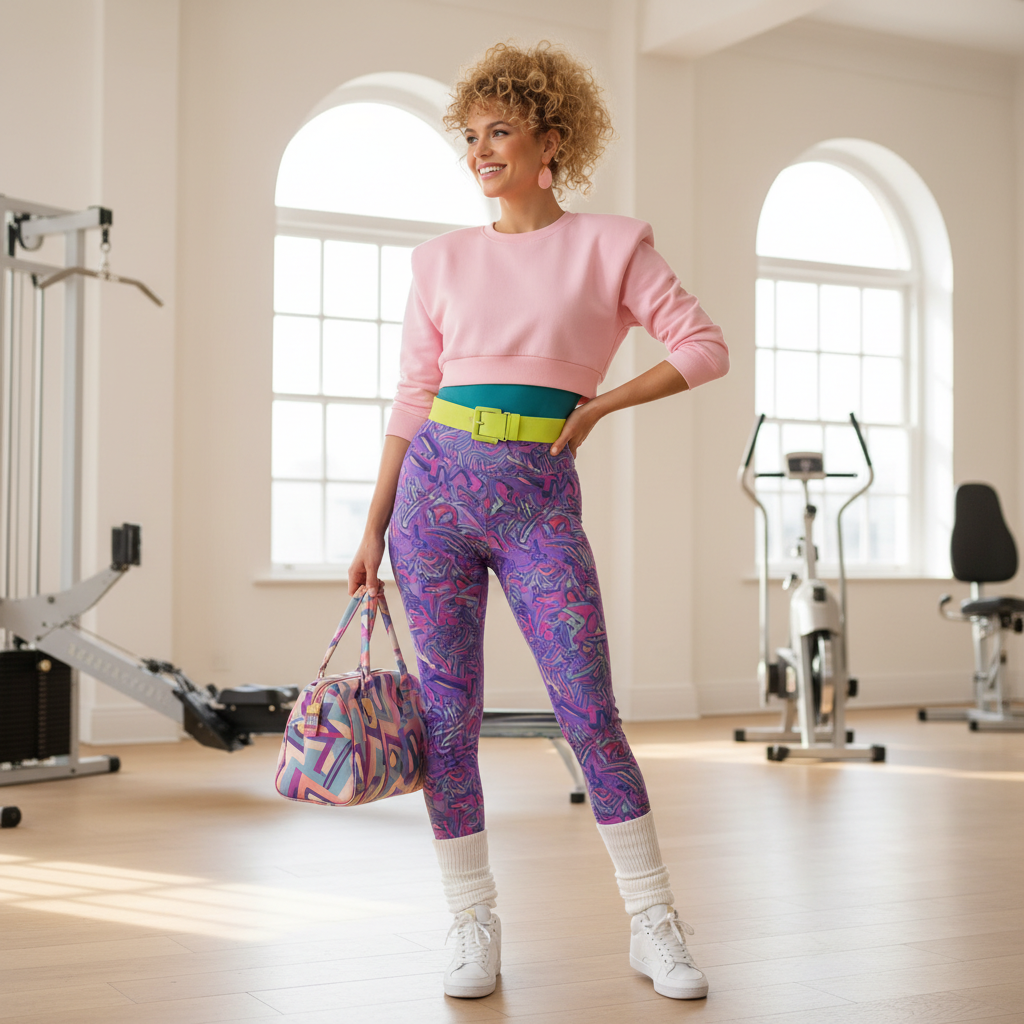
Why 80s Gym Wear Is Making A Triumphant Return
Walk into any trendy apparel store or scroll through your social media feed, and you'll likely notice a splash of neon, some high-cut silhouettes, and a whole lot of spandex. The unmistakable aesthetic of 1980s gym wear is back, and it's making a bigger impact than ever before. This revival isn't just a fleeting trend; it's a cultural phenomenon driven by a blend of nostalgia, modern fashion evolution, and a collective desire for joyful self-expression. From high-waisted leggings to vibrant windbreakers, the styles that defined the aerobics era are being reinterpreted for a new generation.
But what is it about this particular decade's fitness fashion that resonates so strongly today? The comeback is more than just a simple recycling of old trends. It taps into powerful emotional and cultural currents, blending the carefree energy of the past with the comfort-driven demands of the present. Let’s explore the key reasons why 80s gym wear is once again capturing the public's imagination and filling our closets.
The Potent Pull of Nostalgia and Escapism
One of the most significant drivers behind the resurgence of 80s gym wear is the powerful force of nostalgia. For those who lived through the decade, these styles evoke memories of a vibrant, optimistic time defined by bold music, iconic movies, and a burgeoning fitness culture. The look of a bright leotard paired with leg warmers isn't just clothing; it's a time capsule that transports people back to the days of Jane Fonda workout tapes and Olivia Newton-John's "Physical." This connection to a perceived simpler or more exciting time offers a form of comfort and escapism from the complexities of modern life.
For younger generations who didn't experience the 80s firsthand, the appeal is rooted in a fascination with a pre-internet era. Through shows like Stranger Things and GLOW, they see a world that feels both foreign and excitingly authentic. The fashion of the time represents a sense of uninhibited fun and individuality that stands in stark contrast to the often curated and minimalist aesthetics of today. Wearing these retro styles allows them to adopt a piece of that perceived freedom and playful energy.
Celebrity and Pop Culture Influence
Modern media has played a crucial role in reintroducing 80s fitness fashion to the mainstream. Television series and films set in the decade have meticulously recreated its iconic looks, putting them directly in front of millions of viewers. Apple TV+'s series Physical, for example, is a visual feast of high-cut leotards, metallic spandex, and terry cloth sweatbands, single-handedly reviving interest in the classic aerobics uniform.
Beyond the screen, celebrities and fashion influencers have embraced the trend, further cementing its comeback. Stars like Hailey Bieber, Dua Lipa, and Bella Hadid have been spotted incorporating elements of 80s activewear into their everyday wardrobes, from biker shorts and oversized sweatshirts to chunky "dad sneakers." When influential figures adopt a style, it quickly cascades down to the general public, signaling that the trend is not only acceptable but highly fashionable. This celebrity endorsement gives the retro look a modern stamp of approval.
The Rise of Athleisure and Comfort-First Fashion
The 80s workout wear revival fits seamlessly into the broader athleisure movement, which has blurred the lines between gym clothes and everyday attire. For years, fashion has been moving towards a more casual, comfort-oriented approach, and the pandemic only accelerated this shift. Consumers now demand clothing that is both functional for a workout and stylish enough for running errands or meeting friends.
Many staples of 80s gym wear, such as biker shorts, leggings, and oversized sweatshirts, are inherently comfortable and versatile. They were designed for movement, making them perfect for today's active lifestyles. The key difference is the modern interpretation; while the silhouette is retro, the fabrics are often updated with today's performance technology. This blend of vintage style and modern comfort makes 80s-inspired athleisure an irresistible choice for many.
A Celebration of Bold Colors and Expressive Silhouettes
After years dominated by minimalist aesthetics—think neutral color palettes, sleek lines, and understated designs—many people are craving a return to bold, expressive fashion. The 80s were anything but subtle. The decade was characterized by electric neon colors, vibrant color-blocking, and playful geometric patterns. This fearless approach to color and design offers a refreshing antidote to the sea of beige and gray.
The silhouettes of the era were equally dramatic. High-cut leotards and leggings were designed to elongate the legs, while baggy sweatshirts and tracksuits played with proportion. This was fashion designed to be seen, to take up space, and to convey a sense of confidence and fun. In a world where individuality is highly valued, these eye-catching styles provide a powerful tool for self-expression, allowing people to stand out and showcase their personality through their clothing.
A Shift Towards Sustainable and Durable Fashion
While not immediately obvious, the interest in 80s wear also connects with growing conversations around sustainability and a move away from fast fashion. The revival has fueled a renewed interest in vintage shopping, with consumers hunting for authentic pieces from the era. These original garments were often made with a different standard of quality and durability compared to much of today's mass-produced clothing.
Choosing a vintage windbreaker or a pre-loved pair of high-tops is an eco-friendly choice that reduces waste. Furthermore, modern brands recreating these styles often tap into the idea of longevity. The designs are classic and iconic, suggesting they have staying power beyond a single season. This move towards investing in more durable, statement pieces aligns with a growing consumer desire for a more thoughtful and sustainable wardrobe.
A Look Back: What Defined 80s Fitness Fashion?
To fully appreciate the comeback, it's helpful to remember what defined the original trend. The 1980s witnessed an explosion in fitness culture, largely pioneered by figures like Jane Fonda, whose workout videos became a global phenomenon. This wasn't just about exercise; it was about a lifestyle, and that lifestyle had a very specific uniform. The goal was to look good while working up a sweat, and the clothing was designed to be both functional and flamboyantly stylish.
The undisputed star of 80s workout wear was spandex (often referred to by the brand name Lycra). This miracle fabric allowed for unprecedented freedom of movement and hugged the body in a way that celebrated the physique. It was used in everything from shimmering leotards and unitards to leggings and biker shorts. The color palette was famously loud, featuring hot pinks, electric blues, neon greens, and sunshine yellows, often combined in daring color-blocked patterns. Layering was also key; it was common to see a leotard worn over contrasting tights, with leg warmers scrunched down over the ankles and a belt cinched at the waist to complete the look. Accessories like terry cloth sweatbands for the head and wrists were not just practical but essential style elements.
Exploring the 80s Fitness Vibe Further
How Does 80s Gym Wear Differ from Today's Minimalist Athleisure?
While both trends fall under the umbrella of "activewear," their core philosophies are worlds apart. Modern minimalist athleisure, popular over the last decade, prioritizes subtlety, technical performance, and a sleek, almost futuristic aesthetic. The color palette is typically muted, favoring earth tones, blacks, grays, and whites. The focus is on seamless construction, compressive fits, and fabrics engineered for moisture-wicking and breathability. The overall vibe is one of understated, functional elegance.
In contrast, 80s gym wear is all about maximalism, expression, and fun. Color is the main event, with neons and primary colors clashing in the most joyful way possible. Silhouettes are more varied and often more revealing, with high-cut lines designed to accentuate the hips and legs. Layering is a fundamental part of the style, creating a look that is busy and textured. While modern athleisure whispers "performance," 80s gym wear shouts "let's have a party."
What Are the Key Pieces of 80s Workout Gear?
Several iconic pieces define the 80s fitness look. The high-cut leotard is perhaps the most emblematic item, worn for aerobics, dance, and gymnastics. It was often paired with brightly colored or patterned tights or leggings. For a truly authentic look, leg warmers were essential, worn scrunched around the calves or ankles. Another popular one-piece option was the unitard, a full-body catsuit that offered complete freedom of movement.
On top, oversized, off-the-shoulder sweatshirts (a-la Flashdance) were incredibly popular, often layered over a leotard or tank top. For outdoor activities, the nylon windbreaker in a vibrant color-blocked pattern was the go-to choice. Accessories were just as important: headbands and wrist sweatbands were non-negotiable, and footwear was dominated by chunky, high-top aerobic sneakers, often worn with slouchy socks.
Can You Actually Work Out in Retro 80s Gear?
This is a common question, and the answer is twofold. If you're talking about authentic, vintage pieces from the 1980s, they may not be ideal for high-intensity training by today's standards. Early versions of spandex and nylon blends were revolutionary for their time but lack the advanced moisture-wicking, quick-drying, and breathable properties of modern performance fabrics. A vintage cotton-blend leotard might become heavy and uncomfortable once you start sweating heavily.
However, the beauty of the current revival is that you don't have to choose between style and function. Countless modern activewear brands are creating 80s-inspired collections using state-of-the-art materials. You can get the look of a neon high-cut leotard or vibrant biker shorts, but they'll be made from technical fabrics designed to keep you cool, dry, and comfortable during any workout. This allows you to embrace the retro aesthetic without sacrificing the performance benefits you expect from contemporary gym clothes.
Conclusion
The return of 80s gym wear is a multifaceted trend that speaks to our collective desire for joy, comfort, and self-expression. It’s a nostalgic nod to a more exuberant time, amplified by pop culture and embraced by a fashion industry ready for a splash of color. By blending the unforgettable styles of the past with the fabric technology of the present, the trend offers the best of both worlds. Whether you’re drawn to the bright colors, the daring silhouettes, or the carefree attitude it represents, it's clear that this vibrant chapter of fashion history is not just being remembered—it's being enthusiastically relived.
For further reading on 80s fashion and its cultural impact, you can explore resources like: