The Science Behind Stress and Premature Grey Hair: What You Need to Know
It's a question many of us have asked after a tough week: are those new grey hairs *really* from stress? What was once considered a myth is now backed by compelling scientific research, confirming a direct link between our body's stress response and the cells that give hair its color.
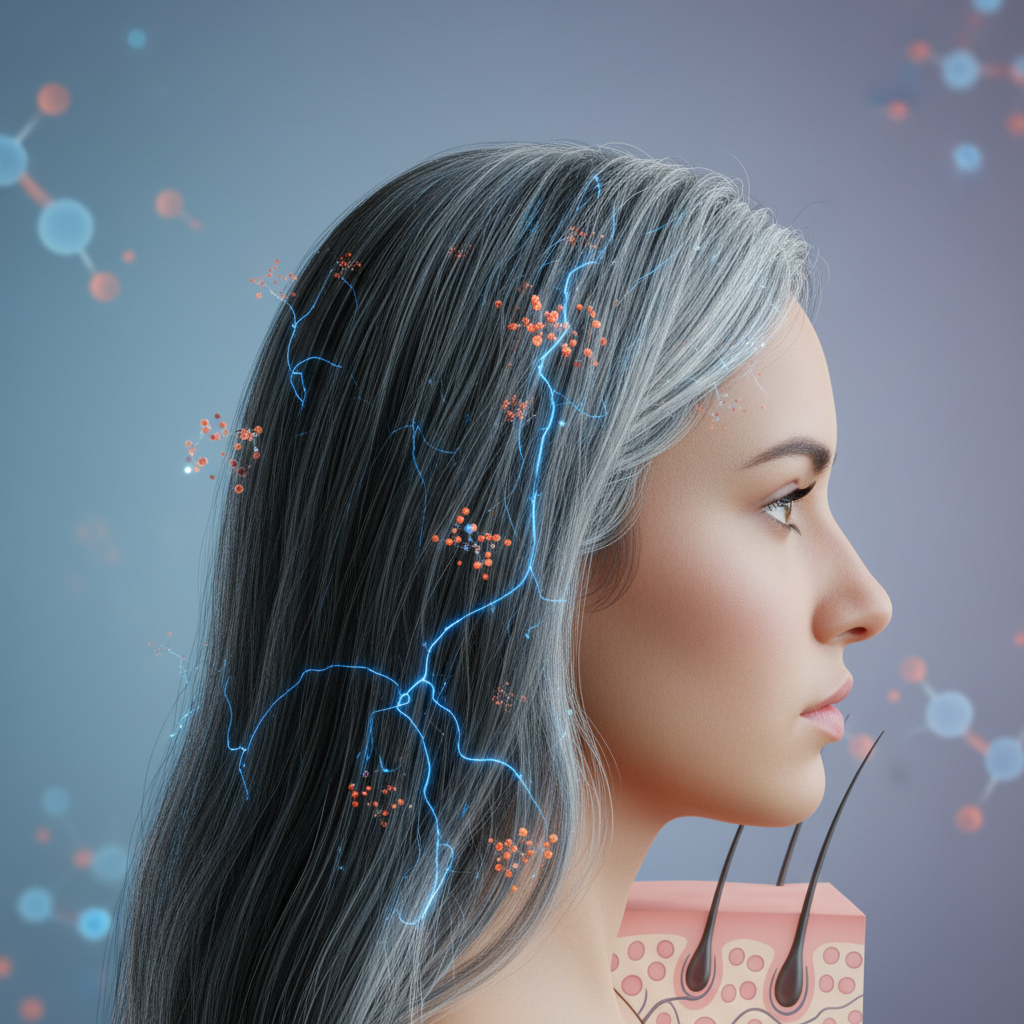
The Scientific Link Between Stress and Grey Hair
For generations, people have shared stories of individuals whose hair turned grey seemingly overnight after a traumatic event. While the idea of sudden, stress-induced greying has often been treated as folklore, recent scientific discoveries have provided concrete evidence linking psychological stress to the premature loss of hair pigment. The connection isn't just an old wives' tale; it's a complex biological process rooted in our body's fundamental response to pressure.
A landmark study brought this connection into sharp focus. Researchers were able to demonstrate that the body's "fight-or-flight" response, our innate reaction to perceived danger or stress, plays a direct role in depleting the reservoir of stem cells responsible for hair color. This response system is crucial for survival, but when it's chronically activated due to ongoing stress, it can have unintended consequences, including affecting our hair follicles.
How the "Fight-or-Flight" Response Affects Hair Color
The key players in this process are the melanocyte stem cells (MeSCs). These stem cells are located within the hair follicle bulge and act as a reservoir. During the normal hair growth cycle, some of these MeSCs mature into melanocytes, the cells that produce the pigment (melanin) that gives your hair its color. This melanin is then transferred to the hair shaft as it grows, resulting in black, brown, blonde, or red hair.
When you experience stress, your sympathetic nervous system kicks into high gear. This triggers the release of a neurotransmitter called norepinephrine. Researchers found that this flood of norepinephrine puts the melanocyte stem cells into overdrive. It causes them to activate and convert into pigment-producing cells far too rapidly. This premature activation essentially exhausts the stem cell reservoir. Once these stem cells are gone, they are gone for good. Without a fresh supply of melanocytes, new hair that grows from that follicle will be unpigmented, appearing grey or white.
Is the Damage Permanent?
According to the primary research on this mechanism, the damage to the melanocyte stem cell reservoir is permanent. When these stem cells are depleted from a follicle, the ability to produce pigment in that follicle is lost. This means that future hairs growing from that same follicle will be grey. This is different from other stress-related hair conditions like telogen effluvium, where hair loss is temporary and hair can grow back normally once the stressor is removed.
The discovery explains why chronic, intense stress can lead to a noticeable increase in grey hairs over time. It’s not an instantaneous change, but rather a gradual process where, with each hair growth cycle, more and more follicles lose their ability to produce color due to the depleted stem cell supply. This provides a clear biological pathway that validates the long-held belief that stress can indeed make you go grey faster.
Understanding the Normal Process of Hair Greying
Before attributing every grey strand to a stressful week, it's important to understand the primary driver of greying hair: genetics and the natural aging process. For most people, greying is an inevitable part of getting older. The age at which you start to see grey hairs is largely predetermined by your genes. If your parents and grandparents went grey early, there is a strong likelihood that you will too.
This natural process is also tied to melanocyte stem cells. As we age, the population of these stem cells in our hair follicles naturally declines. The cells also become less efficient at producing melanin. The result is a gradual reduction in pigment, leading to grey, silver, and eventually white hair. Think of it as a biological clock ticking away within each hair follicle. Factors like stress can accelerate this clock, but the clock was always running in the first place. Therefore, while stress is a proven accelerator, genetics remains the primary factor determining the "when" and "how" of your natural greying pattern.
Common Questions About Grey Hair and Its Causes
Understanding the link between stress and grey hair often leads to more questions. Here are a few common topics people wonder about once they learn about the science.
Can Grey Hair Be Reversed?
This is one of the most frequently asked questions, and the answer is complex. For grey hair caused by the permanent depletion of melanocyte stem cells due to aging or intense stress, the change is generally considered irreversible. Once that stem cell reservoir in a follicle is gone, it cannot be regenerated, and the hair will continue to grow without pigment. This is why there is currently no magic pill or shampoo that can restore your natural hair color permanently.
However, there's a fascinating exception. Some research has suggested that in cases where greying is linked to a specific, identifiable stressor, removing that stressor can sometimes lead to a return of color. A 2021 study observed that in a few individuals, hair pigment returned once their stress levels significantly decreased. This suggests that some early-stage greying might be linked to stress-induced changes in proteins and metabolism within the hair, rather than a complete depletion of stem cells. While this is not a widespread phenomenon and shouldn't be seen as a guaranteed cure, it offers a glimmer of hope and an area for future research. For now, though, most greying is permanent.
What Other Factors Cause Premature Greying?
Besides genetics and stress, several other factors can contribute to going grey earlier than expected, a condition known as premature canities. Understanding these can help you get a more complete picture of your hair health. Certain medical conditions are strongly linked to premature greying, particularly autoimmune diseases like vitiligo, which attacks pigment cells, and thyroid disorders, which can disrupt hormone levels that influence melanin production.
Nutritional deficiencies are another significant cause. A lack of certain vitamins and minerals is crucial for maintaining healthy pigment production. Specifically, deficiencies in Vitamin B12, copper, iron, and ferritin have been scientifically linked to premature greying. For instance, Vitamin B12 plays a key role in producing red blood cells that carry oxygen to your hair follicles. Without adequate B12, hair health can suffer, leading to pigment loss. Similarly, copper is essential for the enzyme that helps create melanin. Ensuring a balanced diet rich in these nutrients can support overall hair health.
Can Lifestyle Changes Prevent or Slow Greying?
While you can't change your genetic predisposition to greying, adopting a healthy lifestyle can certainly help in managing the factors you can control. The most direct approach is managing stress. Since we know chronic stress can deplete pigment-producing stem cells, incorporating stress-reduction techniques into your daily routine is beneficial. This can include practices like mindfulness, meditation, yoga, regular exercise, or simply making time for hobbies you enjoy.
Diet also plays a crucial role. Eating a diet rich in antioxidants can help combat oxidative stress, another cellular process linked to aging and hair greying. Foods high in antioxidants include berries, leafy greens, dark chocolate, and nuts. Additionally, ensuring you get enough of the key nutrients like Vitamin B12, iron, and copper can support your body's ability to produce melanin for as long as your genetics allow. Quitting smoking is another important step, as smoking introduces free radicals that accelerate aging throughout the body, including in the hair follicles.
Conclusion
The age-old notion that stress can cause grey hair is no longer just a story; it's a scientifically supported fact. Intense or chronic stress can trigger a biological cascade that prematurely depletes the stem cells responsible for hair color, leading to an acceleration of the greying process. While this damage is largely permanent, it's important to remember that genetics remains the primary determinant of when you will naturally go grey. By managing stress, maintaining a balanced diet, and leading a healthy lifestyle, you can support your overall hair health and potentially slow down the influence of these controllable factors on your hair's pigment.