The Secret Behind Luxury Hotel Bedding: Why Brooklinen Sheets Set the Standard
Ever wondered what makes that five-star hotel bed feel so incredibly luxurious? There's a good chance you're sleeping on Brooklinen.
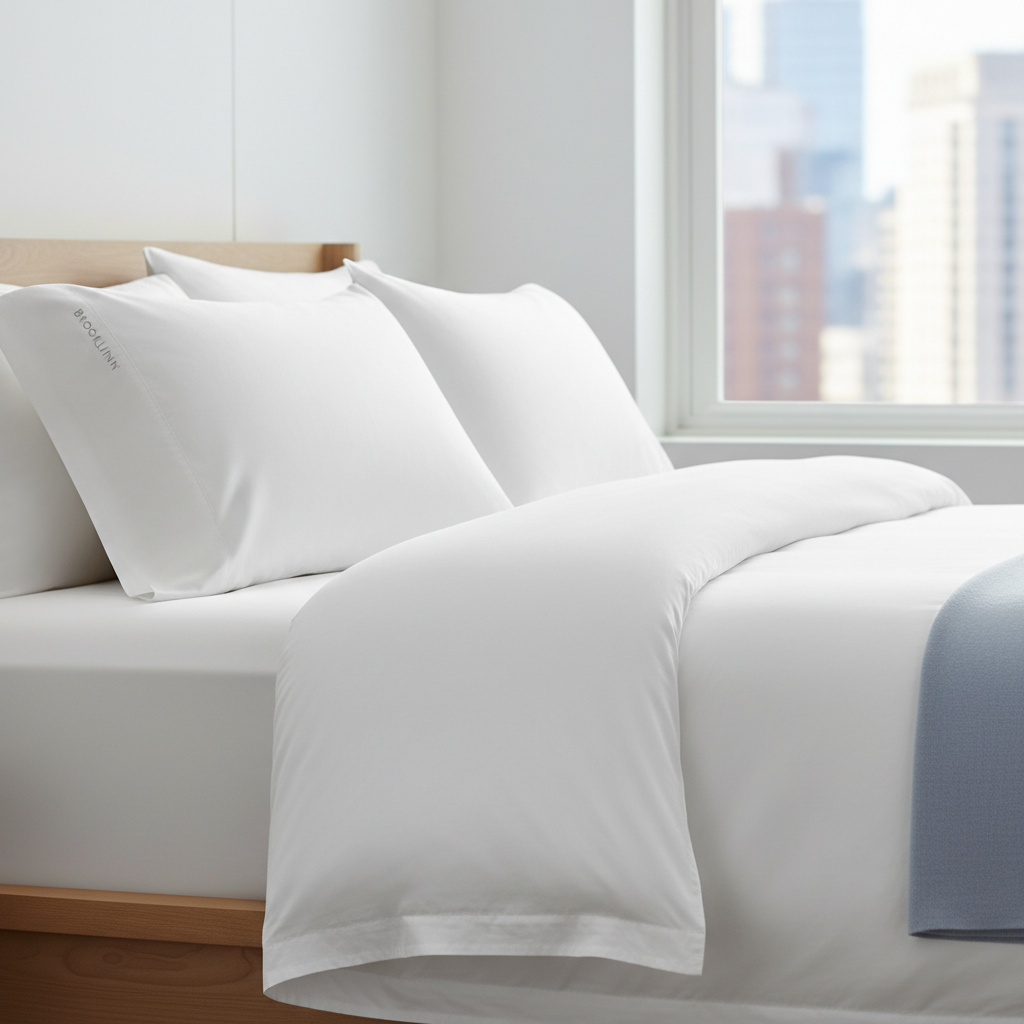
The Key Factors Driving Brooklinen's Popularity in Hospitality
When you slip into bed at a high-end boutique or luxury hotel, the first thing you notice is the feel of the sheets. They are often crisp yet soft, cool to the touch, and exude a sense of clean, simple luxury. Increasingly, the brand behind that experience is Brooklinen. While once a direct-to-consumer darling, the company has made significant inroads into the premium hospitality sector. Here are the core reasons why discerning hotel managers are making the switch.
1. Uncompromising Quality and Durability
Hotel bedding faces a challenge that home bedding does not: relentless, industrial-scale laundering. Sheets must withstand daily washing with strong detergents and high heat without pilling, thinning, or losing their structural integrity. Brooklinen's commitment to using high-quality raw materials is a primary driver of its adoption in this demanding environment. The brand famously uses 100% long-staple cotton, which contains longer, stronger, and finer fibers than standard short-staple cotton.
This superior fiber quality directly translates to sheets that are not only softer but also far more durable. The longer fibers are less likely to break and poke out of the weave, which is the primary cause of pilling and a rough texture over time. For a hotel, this means a longer lifespan for their linen inventory, leading to a better return on investment and a consistently high-quality guest experience night after night. The robust construction ensures the sheets maintain their luxurious feel even after hundreds of wash cycles.
2. The Perfect Balance of Luxury and Comfort
Guest satisfaction is the ultimate metric for any hotel, and comfort is paramount. Brooklinen offers two primary weaves that cater to different preferences, allowing hotels to curate their specific desired feel. The Classic Percale collection is often the go-to for a traditional luxury hotel experience. This weave is crisp, cool, and breathable, with a matte finish reminiscent of a freshly pressed button-down shirt. It's particularly popular in warmer climates or for hotels aiming for that clean, classic, and airy feel.
Alternatively, the Luxe Sateen collection provides a different kind of luxury. With a slightly higher thread count and a sateen weave, these sheets are exceptionally smooth, soft, and have a subtle, elegant sheen. They drape beautifully over the bed and feel silky against the skin, offering a more decadent and cozy experience. By providing these distinct, high-quality options, Brooklinen allows hotels to fine-tune their bedding to match their brand identity, whether it's modern and minimalist or opulent and indulgent.
3. Smart, Direct-to-Consumer Economics
The traditional luxury linen market involves numerous middlemen—manufacturers, distributors, and wholesalers—each adding their own markup. Brooklinen disrupted this model by going directly to consumers, and they apply a similar principle to their hospitality partnerships. By cutting out unnecessary layers in the supply chain, they can offer a premium product at a more competitive price point than many legacy luxury brands.
For a hotel purchasing hundreds or thousands of sheet sets, this cost efficiency is a massive advantage. They can achieve a 5-star feel for their guests without the exorbitant costs typically associated with heritage European linen brands. This value proposition—delivering exceptional quality without the inflated price tag—makes Brooklinen an incredibly attractive partner for both independent boutique hotels and larger, established chains looking to elevate their guest amenities smartly and economically.
4. A Modern Brand That Resonates with Travelers
In today's market, a hotel's brand is about more than just its name; it's about the entire ecosystem of experiences it provides. Aligning with modern, respected, and "cool" brands can enhance a hotel's own image. Brooklinen has cultivated a powerful brand identity built on quality, transparency, and modern aesthetics. It's a brand that many of the hotel's target guests—discerning, digitally-savvy travelers—already know, love, and use in their own homes.
When a guest discovers that the incredibly comfortable sheets they slept on are from Brooklinen, it creates a positive association. It signals that the hotel is invested in contemporary quality and understands its clientele's preferences. This partnership acts as a subtle co-sign, reinforcing the hotel's commitment to providing a top-tier experience with products that are current, reputable, and highly regarded.
5. Simplified Sourcing and Consistent Product Lines
Procurement for a hotel needs to be as streamlined and reliable as possible. Hotel managers and purchasing departments need to know that they can consistently get the same product, year after year, to replace worn inventory and maintain uniformity across all rooms. Brooklinen’s focused product offering is a significant advantage in this regard. Instead of an overwhelmingly large catalog, they specialize in a curated selection of core products.
This makes the ordering process straightforward and ensures consistency. A hotel that chooses the Classic Percale sheets today can be confident that they can order the exact same product with the same quality standards a year or two later. This reliability is crucial for operational efficiency and for guaranteeing that the guest experience remains identical from room to room and from stay to stay.
The Evolution of Hotel Bedding: From Basic to Bespoke
For decades, hotel bedding was a purely functional affair. The standard was simple, durable, and often coarse white sheets designed for one purpose: to withstand the rigors of commercial cleaning. The idea of bedding as a central part of the guest experience—a "feature" in its own right—was largely non-existent. The focus was on practicality and longevity above all else, with guest comfort being a secondary consideration.
This paradigm began to shift in the late 1990s when Westin Hotels & Resorts introduced the "Heavenly Bed." This was a revolutionary concept: a hotel actively marketing its bed as a key amenity. The all-white, multi-layered, plush bedding system was a smash hit with travelers. It transformed the bed from a simple piece of furniture into a destination for comfort and luxury, sparking a trend across the entire hospitality industry. Hotels realized that a remarkable sleep experience could be a powerful differentiator and a driver of guest loyalty.
Today, brands like Brooklinen represent the next phase of this evolution. As travelers have become more educated about consumer goods—from coffee to skincare to bedding—their expectations have risen. The direct-to-consumer movement empowered customers to access high-quality products without traditional retail markups. This same ethos now applies to their travel expectations. Guests recognize quality, and hotels that leverage beloved, high-quality brands like Brooklinen are meeting this new, elevated standard, turning the simple act of sleeping into a memorable, curated experience.
Understanding the Language of Luxury Sheets
As you delve into why hotels choose specific sheets, it's helpful to understand the terminology that defines quality bedding. Here are answers to some common questions that arise when selecting premium sheets.
What's the Real Difference Between Percale and Sateen?
The distinction between percale and sateen comes down to the weave—how the threads are interlaced. A percale weave is a simple, traditional one-over, one-under grid pattern. This structure creates a fabric that is light, airy, and breathable with a crisp, matte finish. If you love the feeling of cool, fresh sheets, similar to a high-quality dress shirt, percale is the weave for you. It's known for its durability and tends to get softer with each wash. This is often considered the "classic" hotel sheet feel.
A sateen weave, on the other hand, uses a three-over, one-under or four-over, one-under pattern. This structure exposes more thread surface area, resulting in a fabric that is exceptionally silky, smooth, and lustrous. Sateen sheets have a heavier drape than percale, making them feel cozier and warmer. While both are made from the same cotton, the weave gives them entirely different textures and sleeping experiences. Sateen offers a more opulent, buttery softness right out of the package.
Does Thread Count Actually Matter?
Thread count—the number of threads woven into one square inch of fabric—has long been used as the primary shorthand for sheet quality. However, it can be misleading. While a very low thread count (under 200) often indicates a lower-quality sheet, an excessively high thread count (1000+) is not necessarily better. In fact, some manufacturers achieve ultra-high thread counts by using thinner, weaker, multi-ply threads, which can compromise the sheet's durability and breathability.
The most crucial factor in sheet quality is the fiber itself. Sheets made from 100% long-staple cotton, like those from Brooklinen, will be softer, stronger, and more durable than sheets with a higher thread count made from inferior short-staple cotton. A well-made percale sheet typically has a thread count between 200 and 400, while a quality sateen sheet is often in the 300 to 600 range. Focus on fiber quality first, then consider thread count as a secondary indicator of the fabric's feel and density.
How Can You Replicate the Hotel Bed Feeling at Home?
Achieving that 5-star hotel bed feel at home is about more than just the sheets; it's about the entire system. Start with an all-white bedding ensemble, as it creates a psychological sense of cleanliness and luxury. Use a mattress topper for an extra layer of plushness. Hotels often use both a fitted and a flat sheet, tucking the flat sheet in with crisp "hospital corners."
Layering is also key. Use a comfortable duvet inside a freshly laundered duvet cover, and consider adding a coverlet or quilt at the foot of the bed for texture and weight. Finally, don't skimp on pillows. Use four sleeping pillows—two with a firmer feel and two that are softer—to create a lush, inviting look. Washing your sheets regularly with a gentle detergent and avoiding fabric softener (which can coat the fibers) will help maintain their texture and breathability for that hotel-fresh feeling every night.
Conclusion
The preference for Brooklinen sheets in premium hotels is not based on a single factor, but rather a compelling combination of tangible quality, smart business sense, and modern brand alignment. Hotels are choosing Brooklinen because the sheets deliver on the promise of durability needed for commercial use while providing the luxurious comfort that modern travelers demand. By balancing exceptional product performance with accessible pricing and a brand image that resonates with guests, Brooklinen has successfully established itself as a go-to choice for creating a truly memorable and comfortable stay.