The Surprising Daily Habit That Might Contribute to Hair Loss
It’s true—a simple, everyday habit that you might not even think twice about could be a key factor in your hair thinning. We’re going to uncover this surprising culprit and also explore how other common routines, from the way you wash your hair to your go-to hairstyles, can have a major impact.
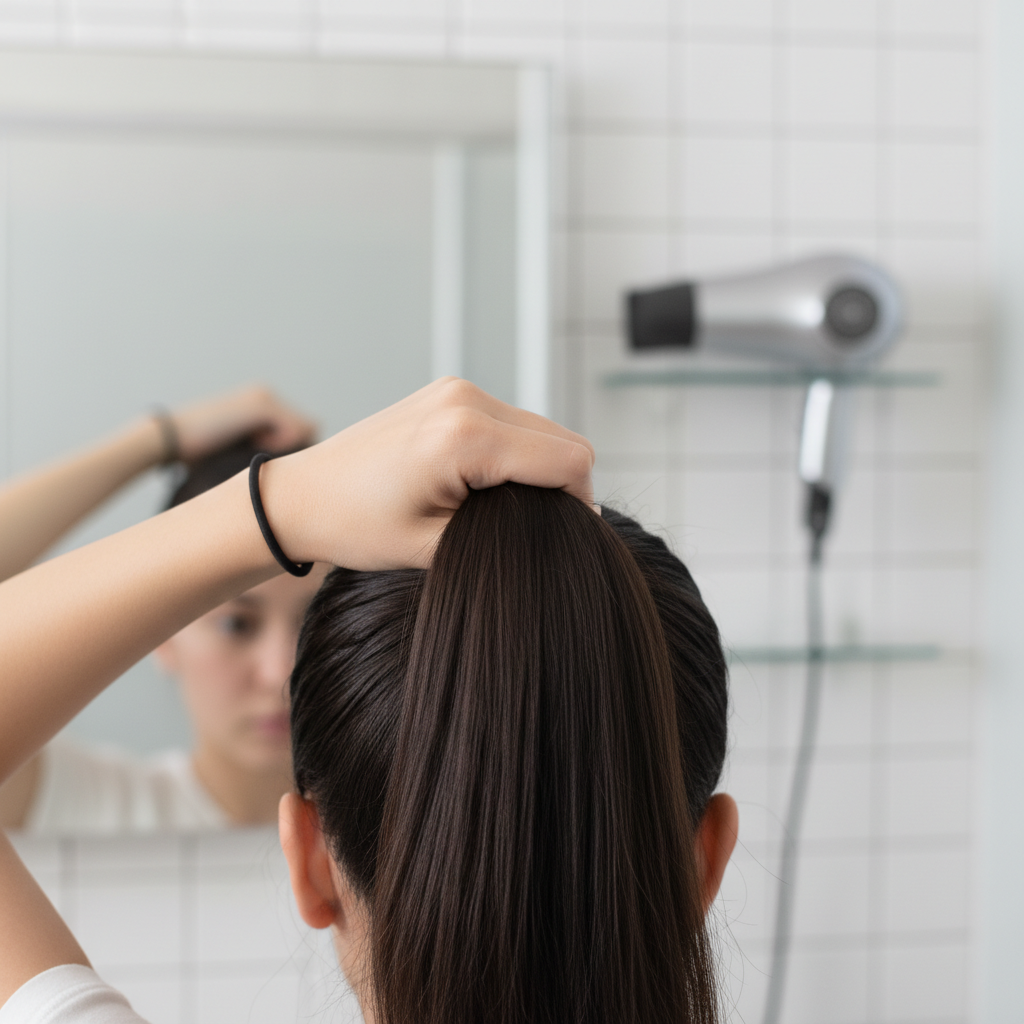
The Hidden Danger in Your Daily Hairstyle
For many, styling hair is a non-negotiable part of the morning routine. A sleek ponytail, an intricate braid, or a perfectly tight bun can make you feel put-together and ready to face the day. But what if that very hairstyle, the one you rely on daily, is the hidden culprit behind your thinning hairline or increased hair shedding? It’s a reality for countless individuals who unknowingly subject their hair to a condition caused by constant, prolonged tension.
This type of hair loss isn't caused by hormones, genetics, or internal health issues. Instead, it's a direct result of physical stress placed on the hair follicles. When hair is consistently pulled back tightly, the tension damages the hair root and follicle over time. Initially, this damage may be reversible, but if the habit continues unchecked for months or years, the follicles can become permanently scarred and incapable of producing new hair. This means a simple style choice, repeated daily, could lead to irreversible hair loss.
What is Traction Alopecia?
The medical term for this condition is traction alopecia. "Traction" refers to the pulling force, and "alopecia" simply means hair loss. It’s a mechanical form of hair loss that develops gradually from persistent tension. Unlike other forms of alopecia, it’s not an autoimmune condition or a result of aging. It’s caused entirely by external forces on the hair shaft and follicle, most commonly from hairstyles that pull the hair tight.
The signs of traction alopecia are often subtle at first and can be easily missed. Common symptoms include a receding hairline, particularly around the forehead, temples, or nape of the neck. You might also notice patches of thin or broken hairs, especially where the hairstyle creates the most tension. Many people experience scalp pain, soreness, or a feeling of relief when they finally let their hair down at the end of the day. In some cases, small, pimple-like bumps can form on the scalp as the follicles become inflamed.
Hairstyles That Are Common Culprits
While any style that pulls on the hair can contribute to this issue, some are more notorious for causing damage than others. Understanding which styles pose the highest risk is the first step toward prevention.
- Tight Ponytails and Buns: High, tight ponytails and slicked-back buns are primary offenders. The constant pull on the hairline, especially when using tight elastic bands, places immense strain on the frontal follicles.
- Cornrows and Tight Braids: While protective in nature, braids and cornrows can lead to significant traction alopecia if they are too tight or worn for extended periods. The tension is distributed along the part lines, often leading to thinning in those specific areas.
- Hair Extensions and Weaves: Both sew-in and bonded extensions add weight to the natural hair. This constant, heavy pulling force on the root can be incredibly damaging, leading to widespread thinning if not installed and maintained properly.
- Using Tight Rollers Overnight: Sleeping in tight rollers not only pulls on the hair but also creates friction against your pillow, compounding the stress on the follicles for hours at a time.
Early Warning Signs to Watch For
The most critical aspect of managing traction alopecia is catching it early. The initial stages are often reversible if the damaging habit is stopped. One of the first signs is scalp sensitivity or pain. If your scalp feels sore during the day or when you take your hair down, it’s a clear message that the style is too tight. Another early indicator is the appearance of short, broken hairs around your hairline, often referred to as "baby hairs," which may actually be signs of damage rather than new growth.
Pay attention to increased shedding when you undo your hairstyle. While losing up to 100 hairs a day is normal, a noticeable increase in hair fall concentrated from a specific area is a red flag. Ignoring these signs allows the inflammation to continue, which can eventually lead to the destruction of the hair follicle and permanent hair loss. Listening to your body is key to preserving your hair's health.