The Truth About Energy Drinks and Kids: A Parent's Guide to Safety
Choosing the right energy drink for kids can be tough. Before giving any energy drink to your child, check ingredients carefully. We break down what to look for when assessing which energy drink are actually safe for kids, examining caffeine levels and additives.
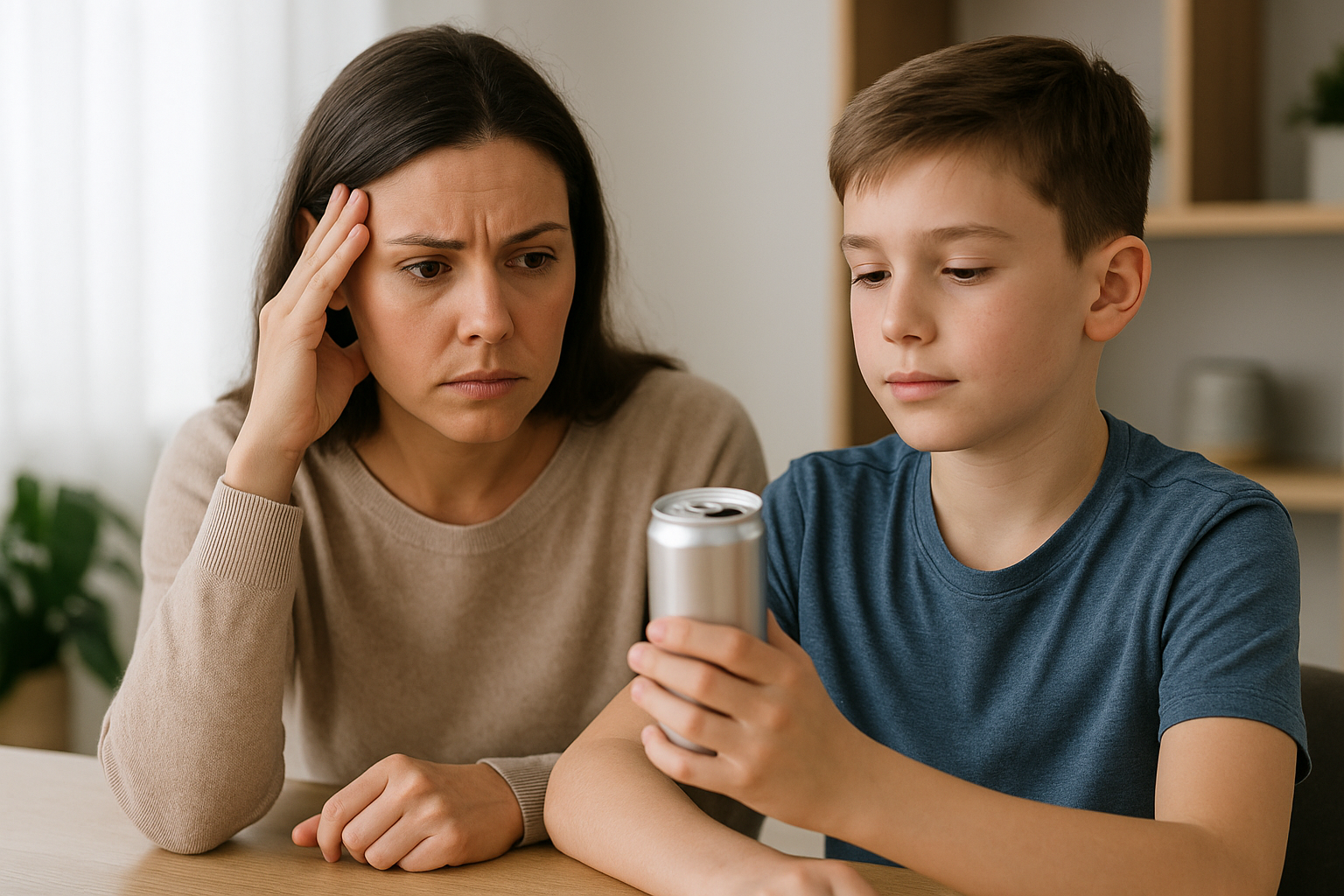
If you've ever seen a friend or social media post discussing the idea of "safe" energy drinks for children, you've likely encountered enough conflicting information to feel overwhelmed. The question, "Which energy drinks are actually safe for kids?" is complex because it relies on many variables: the child's weight, their activity level, their tolerance for stimulants, and, crucially, the actual formula of the beverage itself. The most important thing to understand right away is that, from a pediatric and nutritional standpoint, pre-packaged energy drinks are not considered a safe or healthy source of energy for growing bodies.
Understanding the Energy Drink Landscape: What Are They Really?
To determine if a drink is "safe," we must first understand what its ingredients are doing in the body. Energy drinks are marketing products designed to provide an immediate, rapid burst of perceived energy. This feeling is almost always chemical and physical, rather than nutritional. Their primary components—caffeine, sugar, and various synthetic additives—work together to acutely elevate heart rate, alertness, and mood, but this comes with significant risks, especially when consumed by developing bodies.
The Role of Caffeine Overload in Developing Systems
Caffeine is the most heavily scrutinized ingredient. While parents might assume a smaller serving size means a smaller dose, the concentration in these drinks is often far higher than natural sources (like cocoa or tea) and far exceeds recommended guidelines for children. Pediatric guidelines typically recommend that caffeine intake for children be kept minimal or zero. Even a moderate amount can lead to adverse effects:
- Cardiovascular Stress: Caffeine stimulates adrenaline, which increases heart rate and blood pressure. For a child whose cardiovascular system is still developing, this sudden, intense stress can be dangerous, especially if consumed regularly.
- Nervous System Overstimulation: High doses can cause jitters, anxiety, and restlessness. In severe cases, it can lead to what medical professionals call caffeine intoxication, which requires immediate medical attention.
- Sleep Cycle Disruption: Because caffeine has a relatively long half-life, a drink consumed late in the afternoon can significantly impede the quality and duration of necessary nighttime sleep, which is critical for cognitive development and physical recovery.
The Empty Calorie Trap: The Sugar Shock
Beyond caffeine, the vast majority of energy drinks rely heavily on simple sugars (glucose, high-fructose corn syrup). This component creates what is often termed a "sugar shock" or rapid blood sugar spike. The body processes this influx of sugar extremely quickly, leading to a massive, temporary spike in energy, followed by a dramatic, inevitable crash. This crash can manifest as extreme fatigue, difficulty concentrating, irritability, or even headache, making the user feel compelled to drink another energy booster, creating a dangerous cycle of dependency.
Decoding the Label: More Than Just Caffeine
When evaluating safety, parents often focus only on the caffeine count, but ignoring the other ingredients is a costly mistake. The ingredients list on these drinks is a cocktail of psychoactive, metabolic, and stimulating substances that interact in ways that aren't always understood by consumers.
The Confusion of "B Vitamins" and Electrolytes
Almost every major energy drink lists a wide array of B vitamins (B3, B6, B12, etc.) and electrolytes like potassium and sodium. It’s important to know that while these nutrients are vital, they are usually added in massive doses in these beverages. Unlike eating a balanced meal where these nutrients are absorbed efficiently alongside fiber and other minerals, ingesting these vitamin complexes at high doses through a sugary liquid serves little nutritional purpose. Furthermore, the sheer quantity of these additives can sometimes mask or exacerbate an underlying nutritional deficiency, rather than solving it. Always discuss vitamin intake with a pediatrician rather than relying on mega-dosed supplements or drinks.
What About Taurine and Guarana?
Taurine is an amino acid that is naturally found in the body. It is often heavily marketed as an energy booster. While some preliminary research suggests it may have mild beneficial effects on heart muscle, its role in energy drinks is largely promotional. Similarly, guarana is a natural stimulant containing caffeine. The inclusion of multiple, overlapping stimulants (caffeine from the drink base, plus caffeine from guarana, plus synthetic stims) creates a compounding effect, meaning the total stimulant dose is much higher than the label suggests.
Long-Term and Behavioral Health Implications
The risks of energy drink consumption extend far beyond an immediate headache or jitteriness. We must consider the cumulative, long-term impact on a child's developing psychological and metabolic systems.
The Link to Sleep Architecture and Mood
Sleep is when the brain performs its most crucial maintenance, clearing metabolic waste and consolidating memories. By disrupting natural sleep patterns, energy drinks impede this process. Research published in 2024 has linked early and excessive stimulant consumption to changes in sleep architecture, potentially impacting emotional regulation and increasing susceptibility to anxiety and mood swings in adolescents. Consistent sleep deprivation, regardless of cause, compromises academic performance and immune function.
Developing an Over-Reliance on Chemical Stimulants
For many kids and teens, these drinks offer a powerful, immediate solution to boredom, fatigue, or the challenge of focus. This creates a negative feedback loop: the child learns that the quickest fix for tiredness is a high-sugar, high-caffeine drink. This can undermine their ability to develop healthy coping mechanisms for natural dips in energy or academic stress, potentially leading to dependency on external chemical sources to achieve baseline functioning.
Safe Alternatives: Where to Find Real Energy
If your child needs a boost of energy—whether it’s for a long day of sports or during a demanding study session—the solution must always be foundational, natural, and comprehensive. Parents need strategies that build stamina, not just temporary buzz.
Prioritizing Foundational Nutrition
The body's energy source is complex, originating not just from single nutrients but from stable, slow-releasing fuel sources. To promote sustained energy, focus on:
- Complex Carbohydrates: Think whole grains, oats, brown rice, and sweet potatoes. These release glucose slowly into the bloodstream, preventing the sharp crash associated with white bread or sugary cereals.
- Protein Sources: Nuts, seeds, yogurt, and beans provide amino acids that help stabilize blood sugar and build lasting satiety.
- Hydration: Often, what presents as "low energy" is actually dehydration. Simple water intake, especially around physical activity, is the most potent and safest energizer available.
The Importance of Routine and Movement
The most underestimated "energy booster" is simply movement. Scheduled physical activity, proper sleep hygiene, and maintaining consistent meal times are the most effective long-term preventative measures against fatigue. A balanced routine teaches the body how to manage natural energy cycles without external stimulants. For advice on managing chronic fatigue in children, consulting a pediatrician and potentially an endocrinologist is recommended.
Conclusion: The Pediatric Perspective
In summary, approaching the question of energy drink safety requires a clear, proactive standard: the best energy source is never in a can. Because the risk profile—combining high caffeine doses, sugar crashes, and synthetic additives—outweighs any perceived benefit, current pediatric health guidelines overwhelmingly advise against the use of these products by minors. True energy comes from balanced nutrition, proper hydration, and adequate, restful sleep. Always remember that your child’s developing body deserves the cleanest, most stable fuel possible.
Sources for Further Reading: