The Truth About Police Auction Cars: A Comprehensive Guide
Curious about nabbing a deal on a used car? Explore the world of police auction cars to find out if they're a legitimate option. These auctions offer vehicles that are confiscated or unclaimed, often at competitive prices.
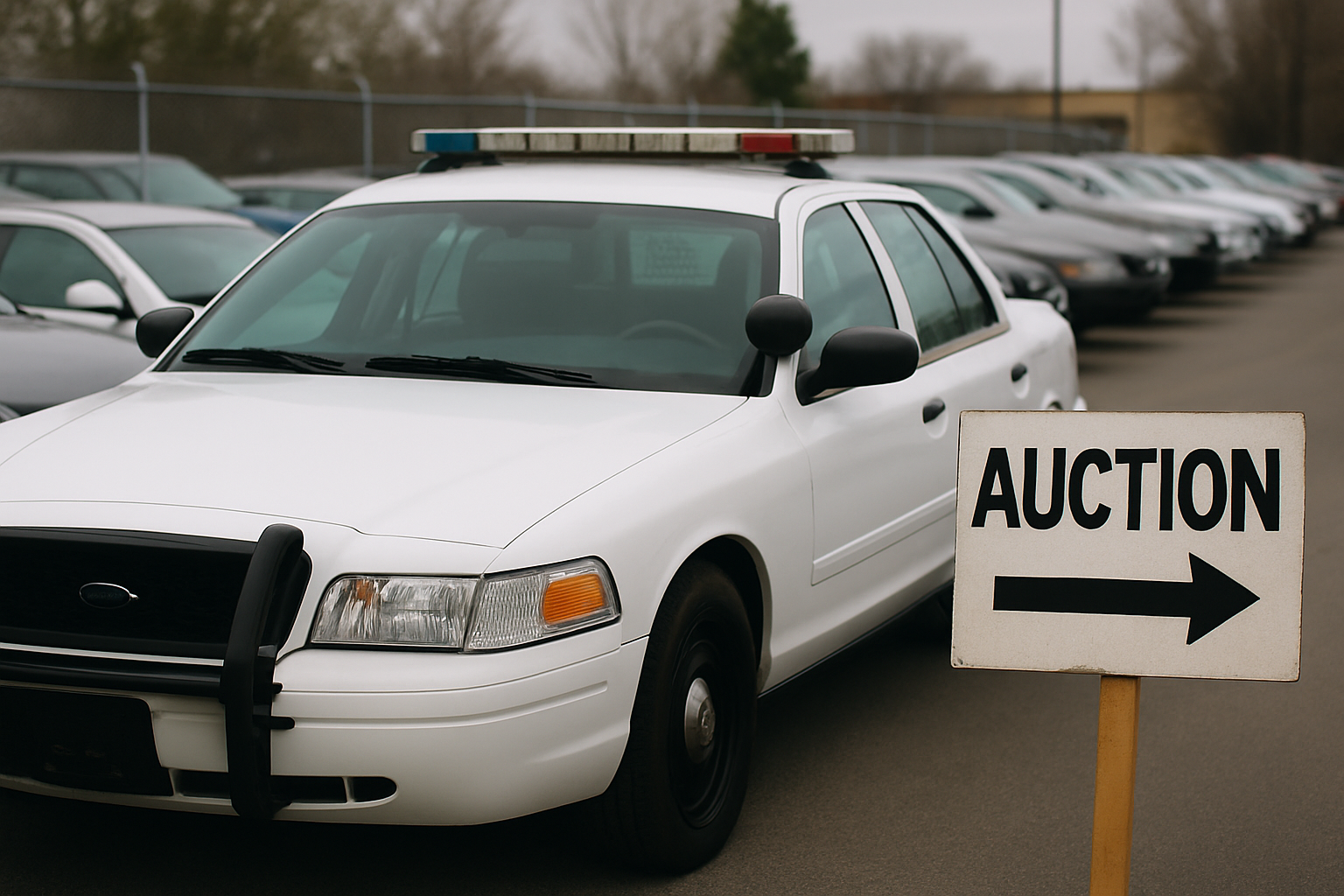
Understanding Police Auction Cars: Are They Legit?
If you've come across advertisements claiming great deals on cars at police auctions, you might be wondering: "Are police auction cars legit?" This question is quite common among potential car buyers seeking affordable vehicles. In this article, we'll delve into the mechanics of police auctions, verify their legitimacy, and provide key information you need to make an informed decision.
What Are Police Auction Cars?
Police auctions typically involve the sale of vehicles that have been confiscated or seized due to legal issues or unclaimed by their owners. Law enforcement agencies may auction these cars to recoup storage costs and clear space in impound lots. The cars vary widely in make, model, and condition, offering potential buyers a range of options.
Some vehicles are impounded due to criminal activities, while others may simply belong to individuals who defaulted on fines or traffic violations. It's essential to understand that a purchase through a police auction is similar to buying from other reputable auctions but with the added benefit of potentially lower prices.
Types of Police Auctions
- Live Auctions: Conducted in-person at specific locations, allowing bidders to inspect vehicles before the auction.
- Online Auctions: Conducted over the internet, providing convenience and wider access but typically with less opportunity for pre-purchase inspection.
Are Police Auction Cars Legitimate Purchases?
The legality and legitimacy of police auction cars aren't generally in question. Such auctions are organized by government agencies or authorized entities ensuring they adhere to state and federal laws. Here's what you should consider when determining the legitimacy of these auctions.
- Reputable Sources: Look for auctions conducted by credible government agencies. For example, auctions facilitated by GovDeals or a local police department are transparent and trustworthy.
- Contract and Title Transfer: Ensure all necessary documentation, such as the title transfer and sales contract, is executed correctly. This documentation verifies that you legally own the vehicle after the purchase.
- Buyer Beware: The principle of "caveat emptor" applies. You must conduct due diligence to inspect the vehicle or understand its condition before purchasing.
Benefits of Buying from Police Auctions
Many buyers are drawn to police auctions due to the potential financial advantages. Key benefits include:
- Cost Savings: Vehicles often sell below market value, allowing you to save significantly over traditional used car purchases.
- Diverse Vehicle Selection: With a broad assortment of makes and models, you can explore various types of vehicles that suit your needs.
- Supporting Community Initiatives: The funds generated often support law enforcement and other community programs.
Considerations and Challenges
Despite the benefits, certain risks and challenges exist with purchasing a car through police auctions:
- Unknown Vehicle Condition: While some cars are in excellent condition, others may need extensive repairs. Always factor potential repair costs into your budget.
- No Guarantees or Warranties: Auction vehicles are typically sold "as-is," meaning there are no guarantees regarding their condition.
- Limited Inspection Time: Especially in online auctions, you might not have the opportunity to inspect the vehicle as thoroughly as you would like.
Tips for a Successful Purchase
To enhance your chances of securing a satisfactory purchase at a police auction, consider the following tips:
- Research Thoroughly: Gather as much information as possible about the car's history, such as previous ownership and maintenance records, if accessible.
- Set a Budget: Determine a firm budget, bearing in mind potential repair and maintenance costs.
- Inspect When Possible: Attend live auctions to closely inspect vehicles and clarify any doubts with auction officials.
- Leverage Online Resources: Platforms like Copart and IAA can provide additional insights into the auction process and available vehicles.
Recent Trends and Insights (2026 Update)
As of 2026, the market for police auction cars has grown, with an increasing number of online platforms facilitating these sales. According to a report by IBISWorld, online vehicle auctions have seen a 7% increase in market size from 2025, indicating a growing trust and interest in digital auction venues. These platforms offer a wider reach and more accessible bidding processes for car buyers across the country.
With changing consumer behavior and the digitalization of auction processes, more individuals are purchasing cars through online police auctions. Tools that allow virtual inspections and robust buyer protection measures are helping to address previous buyer concerns regarding transparency and condition verification.
Final Thoughts
So, are police auction cars legit? Yes, they are, provided you approach the process wisely and well-informed. While police auctions can be a great way to find affordable vehicles, it's critical to understand the nuances involved. With diligent research and a cautious approach, you can navigate police auctions successfully and perhaps drive away with a bargain of your own.