The Truth About Portable Electric Car Chargers: Are They Effective?
So, you’re wondering if portable electric car chargers are a gimmick or a genuinely useful tool. The short answer is yes, they absolutely work—but their performance and practicality can vary wildly.
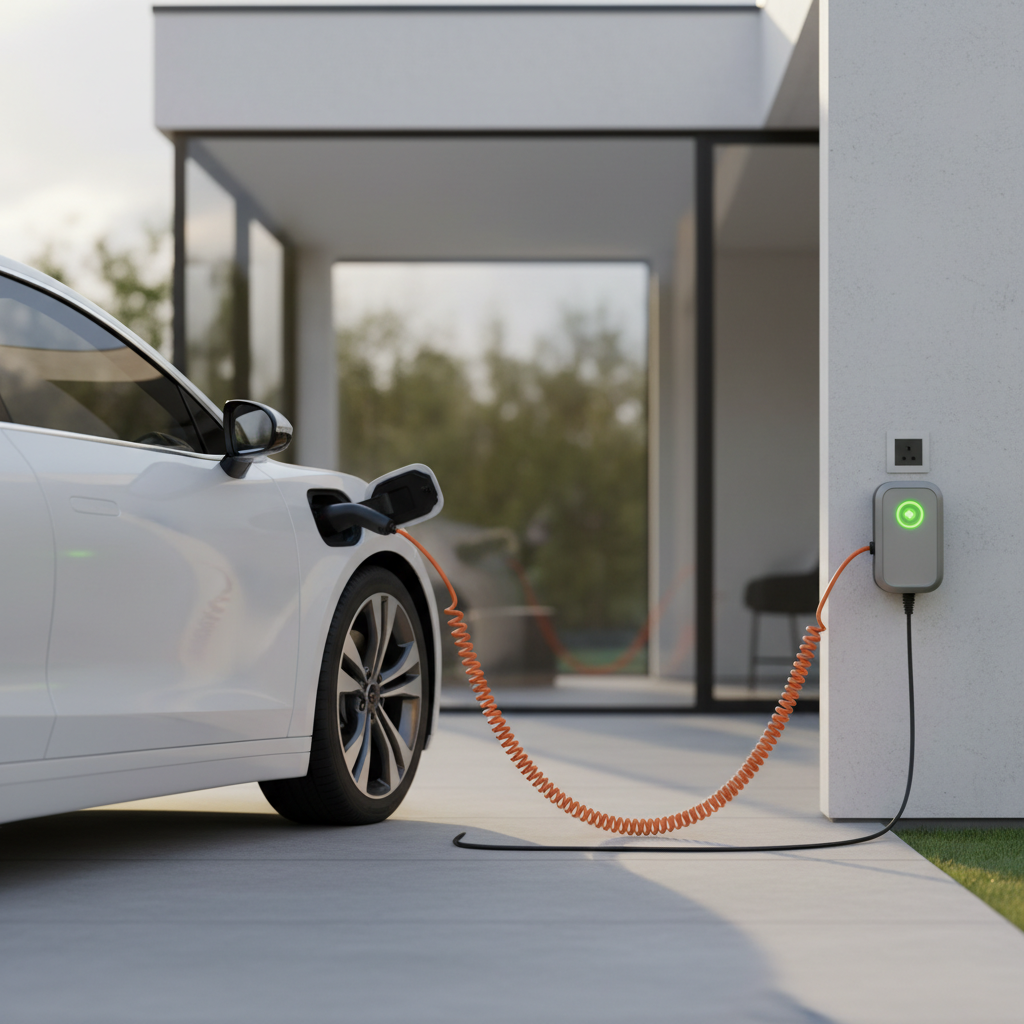
How Portable EV Chargers Actually Function
So, do portable electric car chargers really work? The short and simple answer is a definitive yes. They are not just gadgets or gimmicks; they are functional and often essential pieces of equipment for electric vehicle owners. To understand their effectiveness, it's crucial to first grasp how they operate, which is surprisingly straightforward.
At its core, a portable EV charger is an Electric Vehicle Supply Equipment (EVSE) that isn't permanently mounted to a wall. Instead of being hardwired into your home's electrical system by an electrician, it simply plugs into a standard electrical outlet. The charger itself is a compact box connected to two cables: one with a plug for the wall outlet and another with a connector (typically a J1772 plug in North America) for your vehicle's charging port. The electronics inside the box manage the communication between the power source and the car, ensuring a safe and controlled flow of electricity to the battery.
These chargers primarily come in two flavors, corresponding to the two main levels of AC charging. Level 1 portable chargers are the most basic type and often come included with the purchase of a new EV. They plug into a standard 120-volt household outlet (the same kind you use for a lamp or a laptop). Level 2 portable chargers are a significant step up. They are designed to plug into higher-power 240-volt outlets, such as a NEMA 14-50 (used for electric ranges and RVs) or a NEMA 6-20 (used for heavy-duty appliances). This access to double the voltage allows for dramatically faster charging speeds, making them a popular choice for EV owners who want flexibility without the cost of a permanent installation.
Key Features to Look for in a Portable Charger
When evaluating if a portable charger will "work" for your specific needs, you need to look beyond the basic function and consider its features. The right combination of specifications can mean the difference between a convenient charging solution and a frustratingly slow or incompatible device.
- Power Output (Amperage): This is perhaps the most critical feature as it directly dictates charging speed. Amperage for portable chargers typically ranges from 12 amps (for Level 1) up to 40 amps or more (for Level 2). A 16-amp Level 2 charger might add about 12-15 miles of range per hour, while a 32-amp charger could deliver 25-30 miles of range in the same timeframe. It's vital to ensure your vehicle can accept the amperage the charger provides and that the electrical outlet is rated to handle that load continuously.
- Plug Type and Adapters: A portable charger is useless if you can't plug it in. The most versatile models come with interchangeable plugs or a robust set of adapters. The standard Level 1 plug is the NEMA 5-15, while the most common Level 2 plug is the NEMA 14-50. Having the flexibility to switch between these and other 240V outlets (like a NEMA 6-50 for welders or a NEMA 10-30 for older dryers) makes the charger incredibly useful when traveling or visiting friends and family.
- Cable Length: Don't underestimate the importance of cable length. A longer cable (typically 20 to 25 feet) provides crucial flexibility. It allows you to park in different spots in your garage, reach an outlet that isn't conveniently located, or navigate around another vehicle. A short cable can be a constant source of annoyance, limiting where and how you can charge.
- Safety Certifications: Electricity is not something to be taken lightly. A reliable portable charger must have safety certifications from a Nationally Recognized Testing Laboratory (NRTL). Look for marks like UL Listed or ETL Certified. These certifications mean the product has undergone rigorous testing to meet established safety standards for fire and electrical shock, giving you peace of mind that it won't damage your car or your home.
- Durability and Weatherproofing: Since these chargers are portable, they will likely be used in various conditions. Look for a high Ingress Protection (IP) rating, such as IP66 or IP67. This rating indicates the charger's enclosure is protected against dust, debris, and powerful water jets or even temporary immersion. A robust, weatherproof design ensures the charger can be safely used outdoors in the rain or snow.
The Real-World Benefits: Why Use a Portable Charger?
Portable EV chargers offer a compelling set of advantages that make them a practical and sometimes superior choice compared to permanently installed wallboxes. Their effectiveness is most apparent when considering the flexibility and convenience they bring to the EV ownership experience.
The most obvious benefit is their portability and versatility. You can keep one in your trunk and have a reliable charging solution wherever you go, provided there's a compatible outlet. This is a game-changer for people who visit family, rent vacation homes, or stay in hotels that may have an accessible 240V outlet but no dedicated EV charger. It turns any location with the right plug into a personal charging station. For renters or apartment dwellers who are not permitted to install a permanent wallbox, a powerful Level 2 portable charger can offer the same fast home charging speeds without any modification to the property.
Another major advantage is cost-effectiveness. A high-quality portable Level 2 charger often costs significantly less than a hardwired wallbox. More importantly, it completely eliminates the need for professional installation, a service that can easily add several hundred to over a thousand dollars to the total cost. You simply identify the correct outlet, plug it in, and start charging. This makes it an accessible entry point to faster Level 2 charging for many EV owners. Furthermore, it serves as an excellent emergency backup. If your primary home charger fails or you find yourself at a destination with a broken public charger, having a portable unit in your car can prevent you from being stranded.
Understanding the Limitations and Misconceptions
While portable chargers are incredibly effective, it's important to have realistic expectations and understand their limitations. One common misconception is that they are a direct replacement for all other forms of charging, which isn't the case. Their primary limitation is their dependence on outlet availability. Your powerful 40-amp portable Level 2 charger is only as good as the NEMA 14-50 outlet you can find to plug it into. If you only have access to standard 120V outlets, you'll be limited to very slow Level 1 charging speeds, regardless of your charger's capability.
It's also crucial to understand that portable chargers are for AC charging, which is fundamentally different from the DC fast charging you find along highways. A portable charger is perfect for overnight charging at home or topping up over several hours while you're at a destination. It is not a solution for rapid, 20-minute "refueling" on a long road trip. That role is exclusively filled by high-power DC fast charging stations.
Finally, safety is a consideration tied to the infrastructure, not just the charger itself. While certified chargers are inherently safe, they can put a heavy, continuous electrical load on an outlet for many hours. If the outlet is old, worn out, or improperly wired, it can pose a risk of overheating. It is always recommended to have a licensed electrician inspect any 240V outlet you plan to use regularly for EV charging to ensure it is in good condition and can handle the sustained demand.