The Ultimate Guide to Comparing Different Types of Gym Sweatpants
Not all gym sweatpants are created equal, and choosing the right pair can make a huge difference in your workout. From the classic comfort of cotton fleece to the sleek performance of modern joggers and the relaxed fit of open-hem pants, the choice matters more than you think.
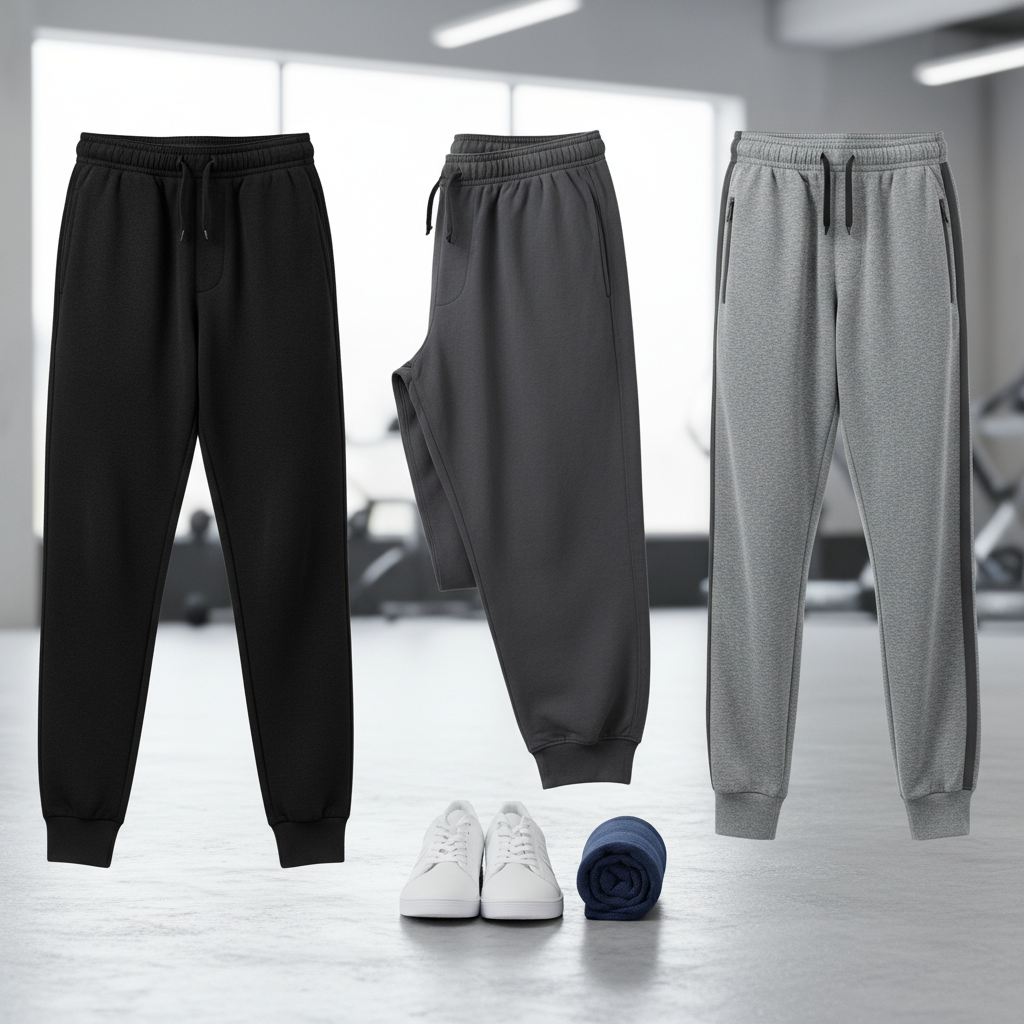
Choosing the right pair of gym sweatpants can feel surprisingly complex. What once was a simple cotton garment for lounging has evolved into a diverse category of athletic wear, with different fits, fabrics, and features designed for specific activities. Understanding the key differences between popular styles is the first step toward finding the perfect pair for your workout routine, whether you're lifting heavy weights, going for a run, or just warming up.
From the classic, cozy open-hem pants to the sleek, modern jogger, each type offers a unique blend of comfort, mobility, and performance. The choice ultimately depends on your personal needs, the intensity of your workout, and your style preferences. Let's break down the most common types of gym sweatpants to see how they stack up.
Understanding the Main Types of Gym Sweatpants
To make an informed decision, it's essential to know the defining characteristics of each style. Here are the four primary categories you'll encounter when shopping for gym sweatpants.
1. The Jogger
Joggers are arguably the most popular and recognizable style of modern sweatpants. Their defining feature is a tapered leg that becomes progressively slimmer from the thigh down to the ankle, finishing with a snug, elasticated cuff. This design is both functional and stylish. The cuff keeps the pant leg securely in place, preventing it from getting caught on equipment or tripping you up during dynamic movements like box jumps or running. It also creates a clean silhouette that highlights your footwear.
Materials for joggers vary widely, from soft cotton-poly blends perfect for everyday wear to advanced technical fabrics with moisture-wicking properties for intense training. Their versatility is a major draw; they are just as suitable for a tough leg day session as they are for running errands afterward. The tapered fit offers excellent freedom of movement without the excess fabric of traditional sweatpants, making them a favorite among athletes of all types.
2. The Open-Hem Sweatpant
The open-hem, or straight-leg, sweatpant is the classic style that many people picture when they think of traditional sweats. Unlike joggers, these pants feature a straight cut from the hip all the way down to the ankle, with no elastic cuff. This creates a looser, more relaxed fit that prioritizes comfort and warmth above all else. They are often made from thicker materials like fleece or heavy cotton, making them ideal for cold-weather workouts, warm-ups, or post-workout recovery.
While the loose fit provides unparalleled comfort for lounging, it can be a drawback for certain exercises. The extra fabric around the ankles can get in the way during activities that require a lot of footwork. However, for static exercises like weightlifting, or for simply keeping your muscles warm before and after a session, the open-hem sweatpant remains a reliable and comfortable choice.
3. The Tapered Sweatpant
Tapered sweatpants occupy a middle ground between joggers and open-hem styles. Like joggers, they feature a leg that narrows toward the ankle, but they often lack the distinct elastic cuff. Instead, the opening might be finished with a simple hem or a zipper. This provides a tailored, modern look that is less restrictive than a tight jogger cuff but more structured than a classic straight-leg pant.
This style offers a great balance of mobility and style. The tapered design reduces excess fabric, preventing snags and ensuring a clear line of sight to your feet for precise foot placement during lifts. They are typically made from stretch-infused fabrics like cotton/spandex or polyester blends, allowing them to move with your body during squats, lunges, and other demanding exercises. Their clean aesthetic makes them easily transition from the gym to casual social settings.
4. The Performance/Tech Sweatpant
Performance or "tech" sweatpants are engineered specifically for athletic activity. The primary focus of these pants is function over form, and their main differentiator is the material. They are almost always made from synthetic fabrics like polyester, nylon, and spandex, which are chosen for their superior moisture-wicking, breathability, and four-way stretch capabilities. These materials pull sweat away from the skin to keep you dry and comfortable during high-intensity workouts.
The fit is usually athletic and streamlined, though not necessarily skin-tight, to allow for a full range of motion without any restriction. You'll often find additional features on tech sweatpants, such as zippered pockets to securely hold your essentials, mesh panels for enhanced ventilation in high-heat zones, and reflective details for visibility during early morning or evening runs. These are the go-to choice for serious athletes who demand the most from their gear.
Comparison Table: Gym Sweatpant Styles at a Glance
| Feature | Joggers | Open-Hem Sweatpants | Tapered Sweatpants | Performance/Tech Pants |
|---|---|---|---|---|
| Key Feature | Tapered leg with an elastic cuff at the ankle. | Straight leg from hip to ankle; loose fit. | Tapered leg without a tight elastic cuff. | Made with moisture-wicking, stretchable synthetic fabrics. |
| Best For | General training, running, lifting, athleisure. | Warm-ups, cool-downs, lounging, casual comfort. | Weightlifting, functional fitness, everyday wear. | High-intensity training, running, sports, any sweaty activity. |
| Common Materials | Cotton, French Terry, Polyester Blends. | Fleece, Heavy Cotton. | Cotton/Spandex Blends, Stretch-Woven Fabrics. | Polyester, Spandex, Nylon. |
| Pros | Versatile, stylish, keeps ankles clear. | Maximum comfort, warm, non-restrictive. | Balanced fit, modern look, good mobility. | Excellent sweat management, lightweight, durable. |
| Cons | Cuff can feel restrictive to some. | Excess fabric can get in the way. Not ideal for intense activity. | Can be less warm than fleece options. | Less cozy for lounging; can feel synthetic. |
The Evolution of Workout Apparel: From Cotton to Tech Fabrics
The journey of the humble sweatpant mirrors the broader evolution in athletic apparel. For decades, the standard was heavy, 100% cotton fleece. It was warm, comfortable, and absorbent—seemingly perfect for working up a sweat. However, athletes and textile innovators soon realized that cotton's absorbency was also its biggest weakness. Once saturated with sweat, cotton becomes heavy, clammy, and takes a long time to dry, which can lead to discomfort and chafing.
The 1980s and 1990s saw the rise of synthetic fabrics in sportswear. Materials like polyester and nylon offered a revolutionary alternative. They were lightweight, durable, and, most importantly, hydrophobic—meaning they resisted absorbing water. Instead of holding onto sweat, these fabrics allowed moisture to travel to the surface and evaporate quickly. The addition of elastane (commonly known as Spandex or Lycra) introduced incredible stretch and recovery, allowing garments to move with the body without losing their shape.
Today, the most advanced gym sweatpants are made from engineered blends that aim to combine the best properties of multiple fibers. You might find a polyester base for moisture-wicking, blended with spandex for stretch and a small amount of cotton for a softer feel. This focus on material science has transformed workout gear from simple clothing into high-performance equipment designed to optimize comfort and athletic output.
Answering Your Top Questions About Gym Sweatpants
Even after understanding the basic types, you might have some follow-up questions. Here are answers to a few common queries that arise when choosing workout pants.
What's the Difference Between Sweatpants and Track Pants?
This is a frequent point of confusion, as the terms are often used interchangeably. The primary difference lies in the material and intended purpose. Sweatpants are typically made from soft, absorbent, knitted fabrics like cotton fleece or French Terry. Their main goal is to provide warmth and comfort, "absorbing sweat" as their name implies. They are ideal for keeping muscles warm and for general comfort.
Track pants, on the other hand, are designed for athletic performance, particularly for track and field. They are made from smooth, synthetic woven fabrics like nylon or polyester. This material is lightweight, water-resistant, and makes a characteristic "swishing" sound. Unlike sweatpants that absorb moisture, track pants are designed to repel it and allow sweat to evaporate quickly, keeping the athlete dry and light on their feet. Their looser fit is also meant to be worn over shorts before a race.
How Should Gym Sweatpants Fit?
The ideal fit for gym sweatpants is one that allows for a complete and unrestricted range of motion. You should be able to perform a deep squat, a high knee, or a lunge without feeling the fabric pull tightly or limit your movement. The waistband should be snug enough to stay in place without digging into your waist. An adjustable drawstring is a great feature for dialing in the perfect fit.
For the length, the hem or cuff should sit at or just above your ankle. Pants that are too long can become a tripping hazard, especially during dynamic exercises. The overall fit around the legs—whether loose, tapered, or athletic—is a matter of personal preference, but it should never be so tight that it restricts blood flow or so baggy that it gets caught on equipment.
Conclusion: Finding the Right Pair for Your Needs
The best type of gym sweatpant is entirely dependent on your individual workout style and comfort preferences. There is no single "best" option, only the one that is best for you. If your routine involves a mix of lifting, cardio, and functional fitness, a versatile jogger or tapered pant made from a stretch blend might be the perfect all-rounder. For those who prioritize comfort for warm-ups and cool-downs, a classic open-hem fleece sweatpant is hard to beat.
For high-intensity, sweat-drenching sessions, investing in a pair of performance tech pants will pay dividends in comfort and dryness. By considering the activity, the material, and the fit, you can confidently choose a pair of sweatpants that will not only feel great but also help you perform at your best in the gym.
For more information on performance fabrics, you can explore these resources: