The Ultimate Guide to Comparing Women's Exercise Pants: Find Your Perfect Fit
Navigating the world of women’s exercise pants can feel like a workout in itself. While leggings, yoga pants, and joggers might seem similar, they each offer unique fits, fabrics, and features designed for different types of movement.
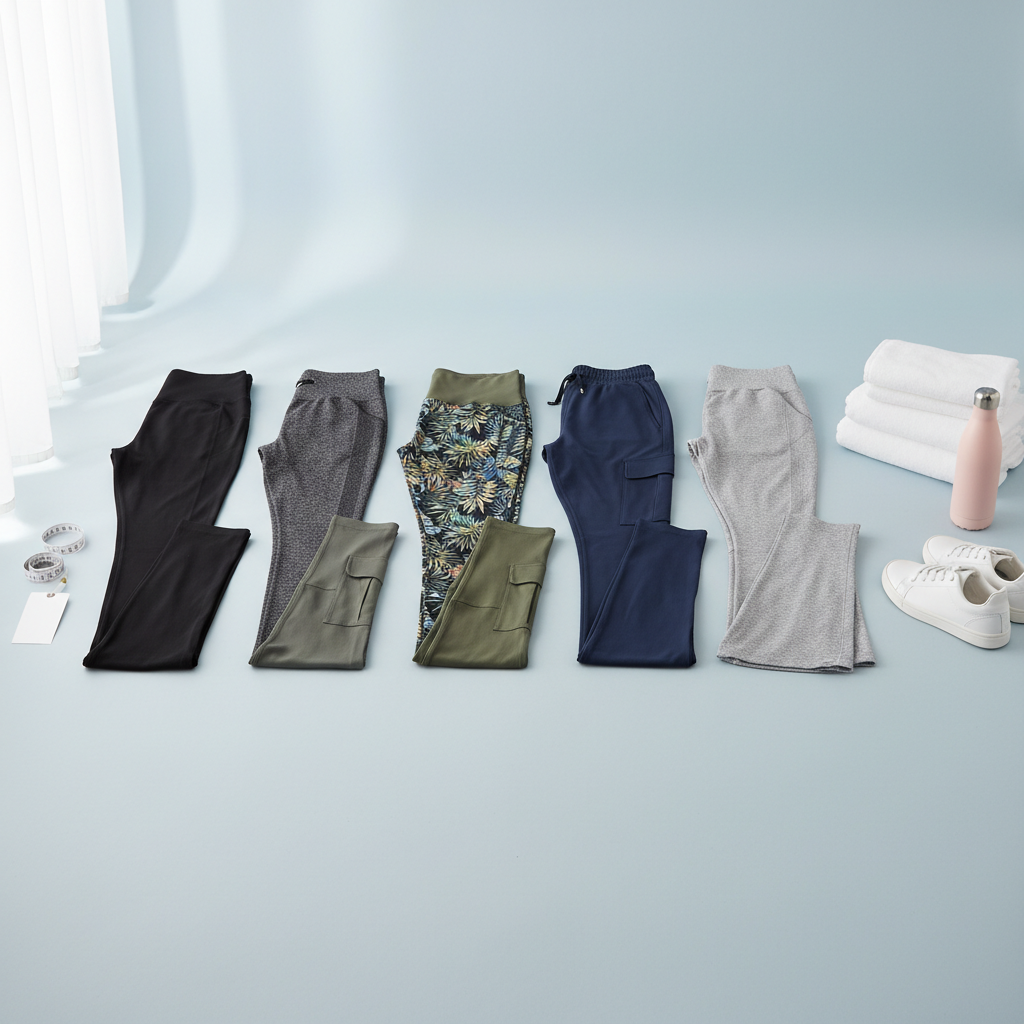
Navigating the world of women's activewear can be overwhelming. With terms like leggings, yoga pants, joggers, and capris often used interchangeably, it’s easy to get confused. However, each style is designed with specific fits, fabrics, and functions in mind. Understanding these differences is key to choosing the right pair of pants for your workout, ensuring you get the best performance, comfort, and support. Whether you're a dedicated yogi, a long-distance runner, or someone who loves a comfortable athleisure look, there's a perfect pair of exercise pants for you.
Understanding Leggings
Leggings are perhaps the most ubiquitous type of athletic pant today. They are form-fitting, skin-tight pants that offer a wide range of motion. Modern athletic leggings are typically made from a blend of performance fabrics like polyester, nylon, and spandex (also known as Lycra or elastane). This combination creates a stretchy, durable, and often moisture-wicking material that pulls sweat away from the body to keep you cool and dry during intense workouts.
The key feature of leggings is their versatility and the level of compression they can offer. Compression leggings are designed to fit very tightly, applying gentle pressure to the muscles. This is believed to improve blood circulation, reduce muscle fatigue, and aid in quicker recovery. They come in various lengths, including full-length, 7/8, and cropped, and are ideal for high-impact activities like running, HIIT, weightlifting, and cycling where muscle support and a streamlined fit are essential.
Exploring Yoga Pants
While all leggings can be used for yoga, not all yoga pants are leggings. The term "yoga pants" traditionally refers to a style that is slightly less compressive and often made from softer, more cotton-like materials. The classic yoga pant style is the bootcut or flare-leg design, which is fitted through the thigh and widens from the knee down. This design allows for maximum freedom of movement and breathability, which is perfect for the deep stretches and poses in yoga or Pilates.
Today, the term "yoga pants" also encompasses form-fitting styles similar to leggings but designed specifically for studio workouts. These versions prioritize comfort, four-way stretch, and opacity (ensuring they aren't see-through during squats and bends). They often feature a high, wide waistband that provides gentle support for the core without digging in. The focus is less on high compression and more on a "second-skin" feel that moves with you seamlessly.
Defining Joggers
Joggers offer a distinctively different silhouette compared to leggings and yoga pants. They are characterized by a relaxed, tapered fit—looser around the hips and thighs, and gradually narrowing to a cuffed or elasticated ankle. This design prevents the fabric from getting in your way while still allowing for a full range of motion. Joggers are crafted from a variety of materials, from soft French terry and cotton blends for casual wear and warm-ups, to lightweight, technical performance fabrics for running and training.
The primary advantage of joggers is their blend of comfort and function. The looser fit provides excellent ventilation, making them great for outdoor runs in cooler weather, gym warm-ups, or simply for comfortable athleisure wear. The cuffed ankle ensures they stay in place and don't interfere with your footwork. While not ideal for activities requiring a skin-tight fit like cycling, they are a fantastic option for running, dance, team sports, and general fitness training.
The Role of Capris and Cropped Pants
Capris and cropped pants are defined by their length rather than a specific fit. Capris typically end mid-calf, while cropped styles (like the popular 7/8 length) finish just above the ankle. These shorter styles are available in legging, yoga pant, and even jogger fits. Their main benefit is providing more breathability and a cooler feel than full-length pants, making them a popular choice for workouts in warmer weather or for indoor activities like spin class where you're likely to build up a lot of heat.
This length is also functionally beneficial for certain exercises. For activities like rock climbing, cycling, or certain types of weightlifting, having the fabric end above the ankle can prevent it from getting caught in equipment or interfering with specialized footwear. They offer a great middle ground between shorts and full-length pants, providing coverage and support for the major leg muscles while keeping you from overheating.
At-a-Glance: Exercise Pants Comparison
To make the choice clearer, here is a direct comparison of the key features of each style.
| Feature | Leggings | Yoga Pants | Joggers | Capris/Cropped |
|---|---|---|---|---|
| Fit | Skin-tight, form-fitting | Form-fitting or bootcut/flare | Relaxed top, tapered leg, cuffed ankle | Varies; defined by length (mid-calf/above ankle) |
| Primary Material | Polyester/Nylon/Spandex blends | Spandex, cotton blends, softer synthetics | French Terry, cotton blends, tech fleece | Same as full-length counterparts |
| Key Feature | Compression and moisture-wicking | Four-way stretch and comfort | Comfort, breathability, and versatility | Cooler fit for warm weather or intense heat |
| Best For | Running, HIIT, weightlifting, cycling | Yoga, Pilates, barre, low-impact exercise | Running, warm-ups, gym training, athleisure | Spin class, summer workouts, cross-training |
The Evolution of Performance Fabrics
The activewear we know today is the result of decades of textile innovation. For a long time, cotton was the go-to fabric for exercise clothing. While soft and breathable, cotton has a major flaw: it absorbs moisture and becomes heavy, clammy, and slow to dry. This can lead to discomfort, chafing, and even a drop in body temperature in cool conditions. The real revolution began with the development of synthetic fibers that could mimic the comfort of natural materials while offering superior performance.
Polyester and nylon emerged as foundational fabrics for activewear. They are hydrophobic, meaning they naturally repel water. Instead of absorbing sweat, they allow it to pass through the fabric to the surface, where it can evaporate. This process is known as "moisture-wicking." The invention of spandex (Lycra) in the 1950s was another game-changer. This incredibly elastic fiber can stretch over 500% without breaking and then snap back to its original shape. When blended with polyester or nylon, it creates the four-way stretch fabric that is essential for the non-restrictive fit of modern leggings and yoga pants. Today, brands continue to innovate with proprietary fabric technologies that enhance everything from breathability and softness to odor resistance and UV protection.
Common Questions About Choosing Exercise Pants
How Do I Choose Between High-Rise, Mid-Rise, and Low-Rise?
The "rise" of a pant refers to the distance from the crotch seam to the top of the waistband. The right rise is largely a matter of personal preference and body type, but it also has functional benefits. High-rise pants sit at or above the natural waist, offering maximum coverage and core support. Many people find them the most comfortable and secure option, as they are less likely to slip down during activities like squats, yoga, and running. They are excellent for providing a smooth silhouette and a feeling of being "held in."
Mid-rise pants typically sit just below the belly button. This is often considered a universally flattering and comfortable rise, providing good coverage without feeling restrictive. It's a versatile choice that works well for almost any activity, from cycling to weightlifting. Low-rise pants sit on the hips and were more popular in the early 2000s. While some people still prefer them, they offer the least coverage and can be prone to slipping down during intense movement, making them less practical for many forms of exercise.
What Does "Squat-Proof" Mean and Why Is It Important?
"Squat-proof" is a term used to describe fabric that remains opaque (not see-through) even when stretched to its limit, such as during a deep squat or a forward fold in yoga. This is a critical quality for any pair of form-fitting exercise pants. The transparency of a fabric when stretched is determined by the quality of the yarn, the tightness of the knit, and the color of the material (darker colors are generally less revealing).
Choosing squat-proof pants is important for maintaining confidence and comfort during a workout. There's nothing more distracting than worrying if your underwear is visible to everyone behind you. To test if a pair of pants is squat-proof, try them on in good lighting and perform a deep squat while looking in a mirror. High-quality activewear brands often highlight this feature in their product descriptions, using tightly woven, premium fabrics to ensure full coverage no matter how you move.
Conclusion
Choosing the right women's exercise pants comes down to matching the garment's design and fabric to your intended activity. High-compression leggings are built for intense, high-impact training. Yoga pants prioritize comfort and flexibility for studio work. Joggers provide a relaxed fit ideal for warm-ups and versatile training, while capris offer a cooler alternative for heated environments. By understanding these core differences in fit, material, and function, you can build an activewear wardrobe that truly supports your fitness journey and keeps you comfortable every step of the way.