The Ultimate Guide to Foods to Avoid for a Healthy Colon
Navigating your diet with colitis or diverticulitis can feel overwhelming, but knowing which foods to avoid is the first step toward managing symptoms and preventing flare-ups. While the conditions are different, their lists of trigger foods can often overlap—and sometimes diverge in important ways.
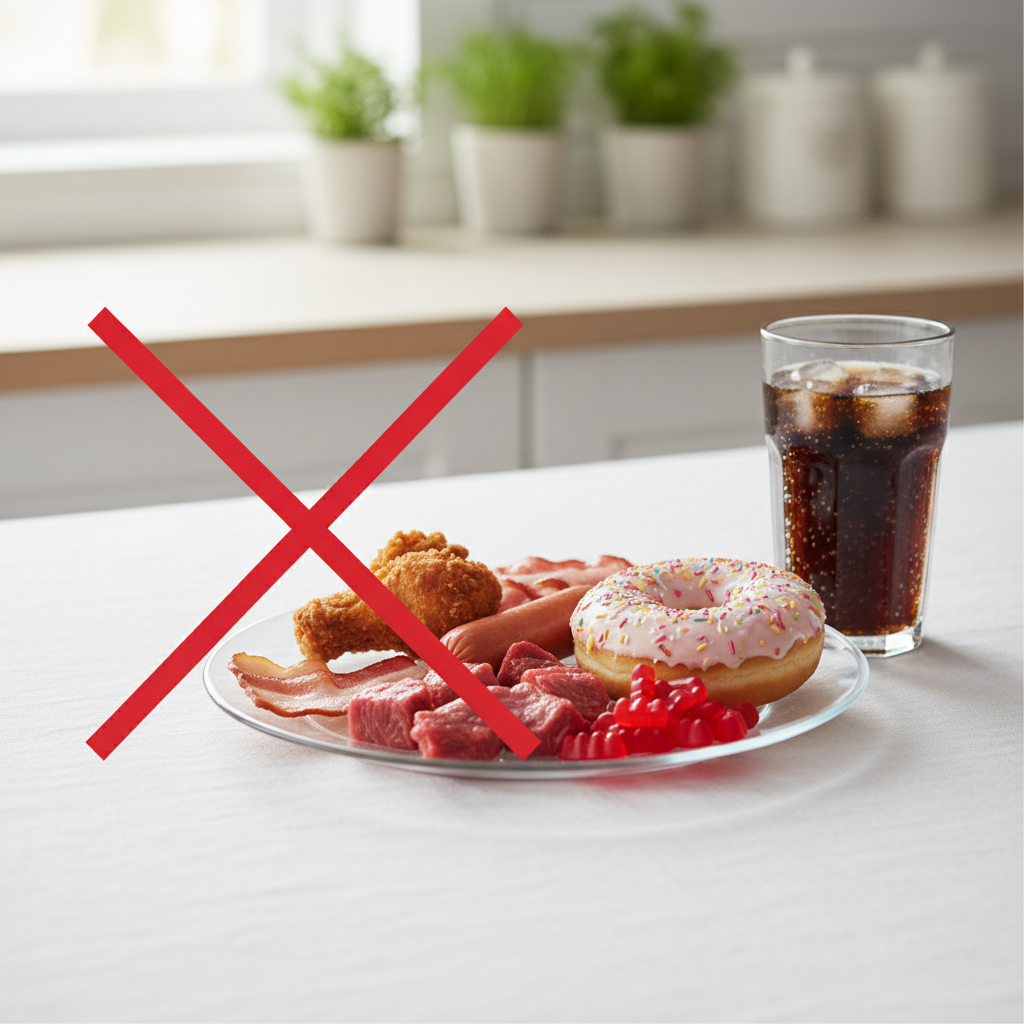
Foods To Avoid With Colitis And Diverticulitis
Navigating your diet when you have a sensitive digestive system can feel like a complex puzzle. Conditions like colitis and diverticulitis, both of which involve inflammation of the colon, require careful attention to what you eat, especially during a flare-up. While individual triggers can vary significantly from person to person, there are several categories of foods that are commonly known to exacerbate symptoms like pain, cramping, bloating, and diarrhea. Understanding which foods to limit or avoid can be a crucial step in managing your condition and finding relief.
The primary goal during a flare-up is to give your colon a rest and reduce inflammation. This often means temporarily shifting to a diet that is easy to digest and less likely to irritate the lining of your intestines. Below, we'll explore the main groups of foods that are often recommended to be avoided when managing colitis and diverticulitis symptoms.
Foods That Can Trigger Colitis and Diverticulitis Flare-Ups
When your colon is inflamed, certain foods can worsen the situation. The key is to identify what affects you personally, but the following categories are common starting points for an elimination diet under a doctor's guidance.
High-Fiber Foods (Especially During a Flare-Up)
While fiber is generally a cornerstone of a healthy diet, it can be problematic during an active flare-up of colitis or diverticulitis. Insoluble fiber, in particular, adds bulk to the stool and can be abrasive to an inflamed colon, potentially increasing pain and cramping. A healthcare provider might recommend a temporary low-fiber or low-residue diet to allow the digestive system to heal.
Foods in this category to be cautious with include whole grains (like whole wheat bread, brown rice, quinoa, and oats), nuts and seeds (which are hard to digest and can get trapped in diverticula), legumes (such as beans, lentils, and chickpeas), and most raw vegetables, especially cruciferous ones like broccoli, cauliflower, and cabbage. The skins and seeds of fruits and vegetables are also high in insoluble fiber and may need to be removed.
High-Fat and Fried Foods
Foods high in fat, especially saturated and trans fats, can be difficult for the body to digest. They can stimulate strong contractions in the colon, which can lead to cramping and worsen diarrhea. This is particularly true for greasy, fried foods that are heavy on oil.
Common culprits include french fries, fried chicken, onion rings, and other deep-fried items. Fatty cuts of meat like bacon, sausage, and marbled steaks can also be triggers. Additionally, creamy sauces, full-fat dairy products like ice cream and rich cheeses, and foods made with large amounts of butter or margarine can contribute to digestive distress during a flare-up.
Spicy Foods
Spices add flavor to our food, but many of them can be major irritants for an inflamed digestive tract. The compound capsaicin, which gives chili peppers their heat, is a well-known irritant that can trigger abdominal pain and a burning sensation in people with sensitive bowels.
During a flare-up, it’s often wise to avoid foods like hot sauces, chili peppers (jalapeños, habaneros), spicy curries, and any dish with a significant amount of cayenne or red pepper flakes. Even milder spices can sometimes be problematic for highly sensitive individuals, so paying attention to your body's reaction is key.
Dairy Products
Lactose, the sugar found in milk and other dairy products, can be a significant trigger for many people with digestive conditions. Lactose intolerance is common, and its symptoms—gas, bloating, and diarrhea—can mimic or worsen a colitis or diverticulitis flare-up. Inflammation in the gut can also temporarily reduce the production of lactase, the enzyme needed to digest lactose.
If you suspect dairy is an issue, you may want to limit or avoid milk, soft cheeses, cream, and ice cream. Some people find they can tolerate yogurt with live active cultures or hard, aged cheeses, which are lower in lactose. Lactose-free milk and plant-based alternatives like almond or oat milk can be good substitutes.
Sugar and Artificial Sweeteners
High concentrations of sugar can disrupt the balance of gut bacteria and draw water into the colon, leading to loose stools or diarrhea. This includes sugary drinks like sodas, fruit juices with added sugar, and sweetened teas, as well as candy, pastries, and other sweets.
Artificial sweeteners, particularly sugar alcohols like sorbitol, mannitol, and xylitol, are also notorious for causing digestive upset. These are often found in "sugar-free" gums, candies, and diet drinks. They are not fully absorbed by the small intestine and can ferment in the large intestine, causing significant gas, bloating, and a laxative effect.
Alcohol and Caffeinated Beverages
Both alcohol and caffeine can act as stimulants for the digestive system, increasing gut motility and potentially leading to diarrhea. Alcohol is also a direct irritant to the lining of the digestive tract, which can worsen inflammation. Caffeinated drinks like coffee, strong tea, energy drinks, and some sodas can have a similar effect.
During a flare-up, it is generally recommended to avoid these beverages altogether. Instead, focus on staying hydrated with water, clear broths, or diluted, non-citrus juices. Dehydration is a common risk, especially with diarrhea, so maintaining fluid intake is essential.
Understanding the Difference: Colitis vs. Diverticulitis
While the dietary advice for managing colitis and diverticulitis often overlaps, it's helpful to understand that they are distinct conditions. Knowing the difference can clarify why certain dietary strategies are recommended. Both involve inflammation in the colon (the large intestine), but they originate from different underlying issues.
Colitis is a general term that simply means inflammation of the colon's inner lining. It can be caused by infections, lack of blood flow, or, most commonly, Inflammatory Bowel Disease (IBD). The two main types of IBD are Ulcerative Colitis and Crohn's Disease. In Ulcerative Colitis, the inflammation is continuous and limited to the innermost lining of the colon. The immune system mistakenly attacks the healthy tissue of the colon, leading to ulcers and inflammation that cause symptoms like abdominal pain, bloody stools, and urgency.
Diverticulitis, on the other hand, is related to the structure of the colon wall itself. Over time, small, bulging pouches called diverticula can form in weak spots in the colon wall. This condition of having pouches is called diverticulosis and is very common, especially in older adults. Diverticulitis occurs when one or more of these pouches become inflamed or infected. This can happen if stool or bacteria get trapped in a pouch. The symptoms are often sudden and severe, typically including intense pain in the lower-left abdomen, fever, and nausea.
The key difference is the location of the inflammation. In colitis, it's the lining of the colon that's inflamed. In diverticulitis, it's a specific pouch that is infected or inflamed. This is why dietary advice can differ. For instance, in the long-term management of diverticulosis (to prevent diverticulitis), a high-fiber diet is often recommended to keep stools soft and prevent straining. However, during an active diverticulitis flare-up, doctors almost always prescribe a clear liquid or low-fiber diet to allow the inflamed pouch to heal.
Common Questions About Diet and Digestive Health
Managing a digestive condition often brings up many questions beyond just what to avoid. Here are answers to some common queries that can help provide a more complete picture of dietary management.
What Foods Are Generally Safe During a Flare-Up?
When experiencing a flare-up of colitis or diverticulitis, the focus shifts to a low-residue, low-fiber diet designed to be gentle on your colon. The goal is to reduce bowel movements and give the inflamed tissue time to heal. These foods are easy to digest and leave minimal "residue" or undigested material in the colon.
Examples of safe foods often include:
- Refined Grains: White bread, plain white pasta, white rice, and crackers made from refined white flour.
- Low-Fiber Cereals: Such as cream of wheat or puffed rice cereal.
- Well-Cooked Vegetables: Vegetables should be cooked until very tender, with skins and seeds removed. Good options include peeled zucchini, carrots, green beans, and asparagus tips.
- Lean Proteins: Skinless poultry (chicken, turkey), fish, eggs, and tofu are excellent, easily digestible sources of protein.
- Fruits without Skin or Seeds: Canned peaches or pears, applesauce, and ripe bananas are usually well-tolerated.
- Clear Liquids: Broth, clear juices (apple, white grape), and water are essential for staying hydrated.
It's crucial to follow a healthcare professional's specific guidance, as they may start you on a clear liquid diet and slowly advance you to these low-residue foods as your symptoms improve.
How Important is a Food Diary?
A food diary is one of the most powerful tools for managing a digestive condition. Since trigger foods are highly individual, what causes a flare-up for one person may be perfectly fine for another. Keeping a detailed log helps you and your doctor identify specific patterns between what you eat and how you feel, allowing for a more personalized and effective dietary plan.
To keep an effective food diary, you should record more than just the food itself. Note the time you ate, the portion size, and any symptoms you experienced afterward, including their severity and timing. It's also helpful to log other factors that can influence symptoms, such as your stress level, medications taken, and daily activities. Over several weeks, this detailed record can reveal connections you might not have noticed otherwise, empowering you to take control of your diet with confidence.
Conclusion
Managing colitis and diverticulitis requires a thoughtful approach to your diet, especially during periods of inflammation. By avoiding common triggers like high-fiber foods, fatty and fried items, spicy dishes, and other irritants, you can help soothe your digestive system and promote healing. However, it's essential to remember that dietary needs are unique to each individual. Working closely with a doctor or a registered dietitian is the best way to develop a safe and effective eating plan that addresses your specific symptoms and nutritional needs, helping you navigate your condition and improve your quality of life.
For more information, you can visit these reputable sources: