The Ultimate Guide to Roof Types: Discover the Best Options for Solar Panels
Curious about which roof types are best for solar panels? Explore our guide to find out how different materials and styles can impact solar panel efficiency. From angled roofs to flat designs, each choice has unique benefits for harnessing solar energy.
Understanding Roof Types and Their Compatibility with Solar Panels
In the quest for sustainable energy solutions, solar panels are a popular choice for homeowners and businesses alike. However, one crucial consideration before installation is the type of roof you have. Different roof types can significantly influence the efficiency and cost-effectiveness of solar panel installations. This guide aims to help you determine which roof types are best for solar panels, addressing common questions and providing comprehensive insights.
Why Does Roof Type Matter for Solar Panels?
The roof type affects several aspects of solar panel installation, such as ease of installation, cost, and efficiency. The pitch, material, and orientation of the roof can all play pivotal roles. For instance, the ability of a roof to bear weight and weather elements impacts the types of mounts used and how the panels are anchored. Understanding these factors can potentially save you money and enhance the effectiveness of your solar system.
Key Roof Types and Their Suitability for Solar Panels
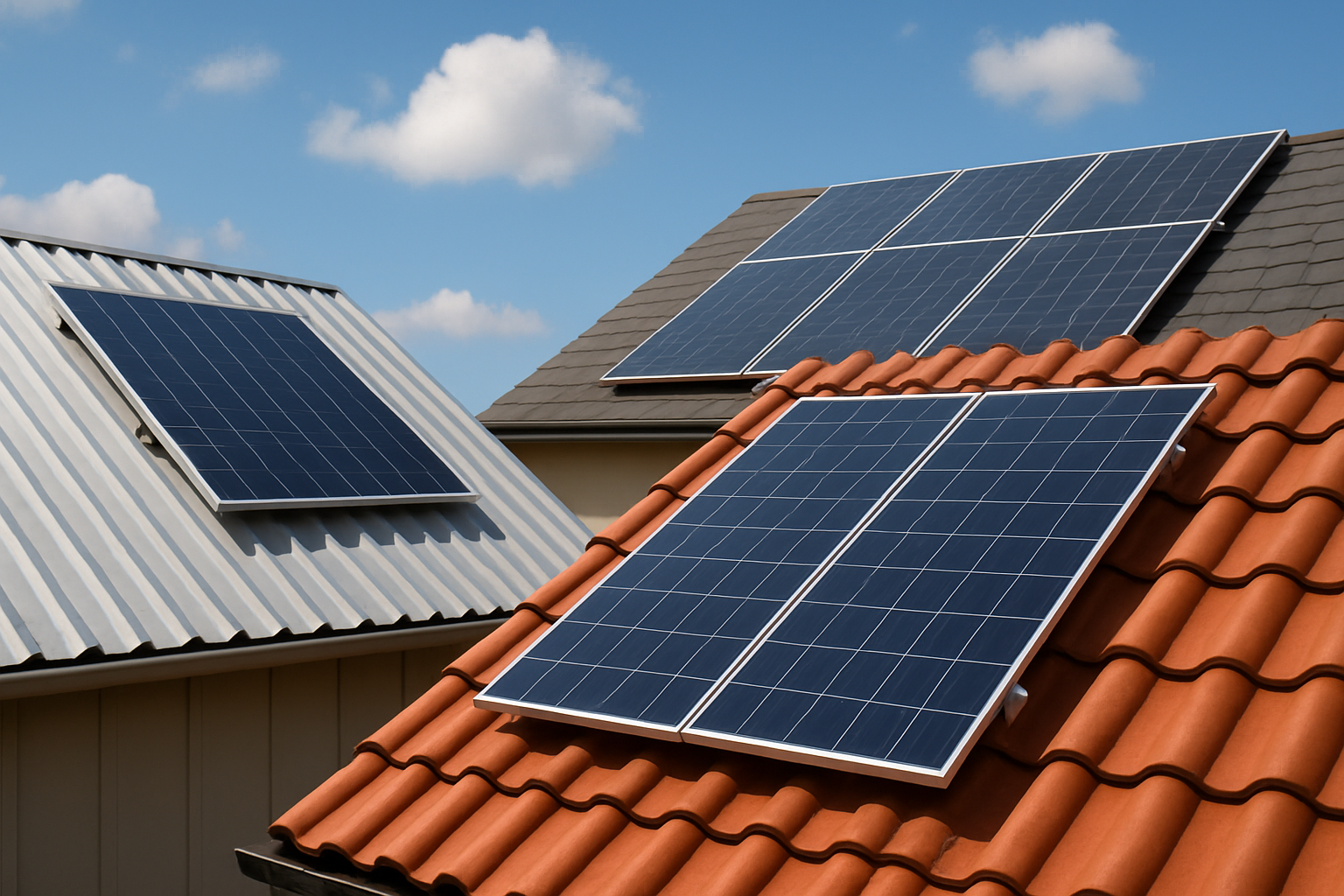
- Asphalt Shingles: As one of the most common roofing materials, asphalt shingles are highly compatible with solar panels. They are lightweight and allow for easy installation. Moreover, they have a lifespan of up to 20-30 years, which complements the lifespan of most solar panels.
- Metal Roofs: Known for their longevity (up to 70 years) and durability, metal roofs are also an excellent choice. They often come with standing seams, making it easy to attach solar panels without drilling into the roof. This feature reduces the risk of water leaks and can lower installation costs.
- Tile Roofs: Tile roofs, made of clay or concrete, are more challenging but not impossible for solar panel installations. The installation process may involve more labor to prevent breaking tiles, which could increase costs. However, with the right installer, tile roofs can effectively support solar panels.
- Flat Roofs: Although not the most traditional setup for solar panels, flat roofs provide flexibility in panel orientation. Ballast systems can be used to hold panels without penetrating the roof, which minimizes potential damage. These setups can be adjusted to find the optimal angle for sunlight exposure.
- Wood Shake Roofs: Generally, wood shake roofs are not ideal for solar installations due to their combustible nature and the difficulty in securing mounts adequately.
Important Factors to Consider
Beyond the type of roof, several factors should be considered when determining the suitability of your roof for solar panels:
- Condition of the Roof: It's prudent to assess the current condition of your roof. If your roof needs replacement or significant repairs, it’s wise to address those issues before installing solar panels.
- Roof Orientation and Tilt: Ideally, solar panels should face south to maximize sunlight exposure. The tilt should also align with your geographic latitude. Most professional installers can perform a solar feasibility analysis to optimize panel positioning.
- Shade and Structural Obstructions: Assess potential shade from trees, neighboring structures, or roof obstructions like chimneys and vents. Limited sunlight exposure could affect solar energy production.
- Local Climate: The regional climate influences the efficiency of solar panels. For instance, snow load in colder areas or intense heat in warmer areas can impact energy conversion and system longevity.
Case Study: Successful Solar Panel Installations
Consider a homeowner in Arizona who installed a solar power system on their asphalt shingle roof. By carefully selecting low-profile mounts and conducting a comprehensive shading analysis, they were able to increase their home's energy efficiency by 30%. In contrast, a business in Oregon with a metal roof installation found cost savings in using the existing seams for panel attachment. Such real-world examples highlight the varied approaches and solutions depending on roof types and local conditions.
Recent Advances and Future Considerations
With the rise of solar panel technology, advancements are continuously improving efficiency and installation flexibility. According to a 2026 report by the Solar Energy Industries Association, tailored solar solutions are becoming increasingly available for various roof types, making the transition more accessible than ever before. [1]
Moreover, newer lightweight panels and innovative mounting systems are reducing structural concerns, allowing even unconventional roof types to benefit from solar technology. Looking forward, protecting your investment by working with experienced solar installers who understand diverse roofing systems is essential.
Conclusion: Choosing the Best Roof for Your Solar Panels
When it comes to installing solar panels, your roof type is a critical factor. Asphalt shingles and metal roofs lead the way in compatibility, while tile and flat roofs offer potential under the right conditions. Assessing your roof's condition, orientation, and local climate helps ensure you make the best decision for sustainable energy production. Educate yourself on recent innovations and partner with professionals for a successful, long-lasting solar panel installation.