The Ultimate Guide to Safe Kitchen Wall Cleaners You Can Trust
Figuring out how to clean stubborn kitchen grime without damaging your paint or wallpaper can be stressful. The safest cleaner actually depends on your wall’s specific surface, whether it's a delicate matte finish or a durable semi-gloss.
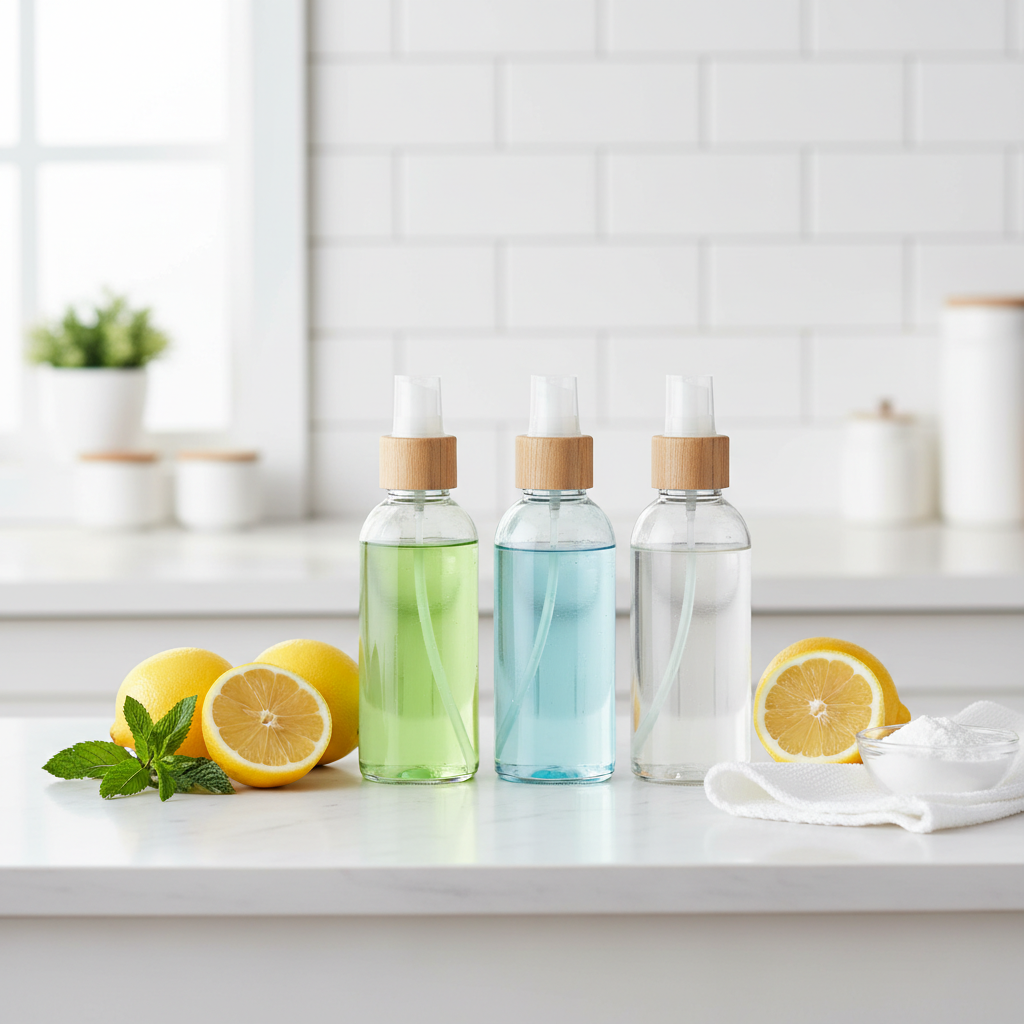
Which Cleaner Won't Damage Kitchen Walls?
Gentle and Effective Cleaners for Kitchen Walls
Keeping kitchen walls clean can be a challenge, with everything from grease splatters to food stains making an appearance. The key is to use a cleaner that is effective enough to remove the grime but gentle enough not to strip paint, cause discoloration, or damage the wall's texture. Fortunately, several safe and reliable options are available, many of which you may already have at home.
1. Mild Dish Soap and Water Solution
This is often the safest and most effective starting point for cleaning painted walls. Mild dish soap is specifically formulated to cut through grease without being overly abrasive. Its gentle nature makes it suitable for nearly all paint finishes, from delicate matte to durable semi-gloss. When grease and food particles splatter on walls, they create a sticky film that attracts dust and dirt. The surfactants in dish soap break down these oils, allowing them to be easily wiped away without harsh scrubbing.
To create the solution, simply mix a few drops of a clear, mild dish soap (avoid those with bleach, moisturizers, or harsh degreasers) into a bucket of warm water. Stir until you see light suds. Use a soft sponge or microfiber cloth, dip it into the solution, and wring it out thoroughly until it's just damp. Gently wipe the wall in a circular motion, and follow up with a separate cloth dampened with plain water to rinse away any soap residue. Leaving soap behind can create a sticky film that attracts more dirt over time, so the rinsing step is crucial for a truly clean finish.
2. Baking Soda Paste
For tougher, more stubborn stains like crayon marks, scuffs, or caked-on food, a baking soda paste is an excellent gentle abrasive. Unlike harsh chemical scouring powders that can scratch paint, baking soda (sodium bicarbonate) has a fine, soft crystal structure that provides just enough friction to lift stains without damaging the surface beneath. It’s a mild alkali, which helps dissolve dirt and grease effectively.
To make the paste, mix three parts baking soda with one part water until you have a thick consistency, similar to toothpaste. Apply a small amount of the paste directly to the stain using a soft cloth, sponge, or your fingertips. Gently rub the area in a circular motion, applying minimal pressure. You should see the stain begin to lift. Once it's gone, use a clean, damp cloth to wipe away the baking soda residue completely, and then dry the area with a soft towel. This method is particularly effective on satin, eggshell, and semi-gloss finishes, but should be tested on a hidden spot if you have flat or matte paint.
3. Distilled White Vinegar Solution
Distilled white vinegar is a fantastic natural cleaner and degreaser due to its acetic acid content. It is particularly effective at breaking down grease splatters, removing fingerprints, and even neutralizing odors, all common issues in a kitchen. Because it's a mild acid, it can cut through grime without the need for harsh chemicals. It’s also a great option for cleaning areas around the stovetop where oily residue tends to build up.
To use vinegar safely, it must be diluted. Mix one part distilled white vinegar with one part warm water in a spray bottle. For very delicate surfaces or for a lighter cleaning, you can increase the water ratio. Lightly spritz the solution onto the soiled area of the wall and let it sit for a minute or two to break down the grime. Then, wipe it clean with a soft, damp microfiber cloth. The vinegar smell will dissipate as the surface dries. Avoid using vinegar on unsealed grout or natural stone surfaces, but it is generally safe for all types of painted drywall.
4. Specialized Wall Cleaners
If DIY solutions aren't cutting it, there are commercial cleaners specifically formulated for painted walls. These products are designed to be pH-neutral and free of harsh solvents, ammonia, or bleach that can damage paint. They are tested to work on various paint finishes and are often sold as ready-to-use sprays. The primary benefit of these cleaners is convenience and the assurance that they have been created for this specific purpose.
When choosing a commercial wall cleaner, always read the label to ensure it is suitable for your paint type (e.g., latex, oil-based) and finish (matte, satin, etc.). Follow the manufacturer's instructions carefully. Typically, you will spray the cleaner onto a cloth rather than directly onto the wall to prevent drips and oversaturation. As with any cleaning product, it is always wise to test it on an inconspicuous area first, like behind a piece of furniture or inside a closet, to ensure it doesn't cause any discoloration or damage.
Understanding Your Kitchen Walls: Why Paint Finish Matters
The type of paint finish on your kitchen walls plays the most significant role in determining how easy they are to clean and which cleaners are safe to use. Paint finishes range from flat (matte) to high-gloss, and each has a different level of durability. The shinier the finish, the more resilient it is to scrubbing and moisture.
- Flat or Matte Finish: This type of paint has a porous, non-reflective surface. While it's excellent at hiding imperfections, it's the least durable and most difficult to clean. It can be easily damaged by abrasives or excessive moisture. For matte walls, it's best to use the mildest method possible, like a slightly damp cloth or a very diluted soap solution, and never scrub.
- Eggshell or Satin Finish: These finishes have a slight sheen and are much more durable than matte. They are a popular choice for kitchens because they offer a good balance between a low-sheen appearance and washability. They can withstand gentle cleaning with mild detergents like dish soap or a diluted vinegar solution.
- Semi-Gloss or High-Gloss Finish: These are the most durable and easiest to clean paint finishes. Their smooth, hard surface is non-porous and highly resistant to moisture and stains. You can safely use most gentle cleaners, including baking soda for spot treatments, on these surfaces without worrying about damaging the paint. They are ideal for high-traffic areas and places prone to splatters, like backsplashes and the walls around stoves and sinks.
Common Questions About Cleaning Kitchen Walls
How Can You Test a Cleaner Before Using It on an Entire Wall?
Testing a cleaning solution before applying it to a large, visible area is a critical step to prevent accidental damage. The best way to do this is to choose an inconspicuous spot on the wall that is typically out of sight. Good options include the wall area behind a large appliance like the refrigerator, inside a pantry or closet, or behind a piece of furniture that you can easily move. This ensures that if any discoloration, paint stripping, or damage occurs, it won't be noticeable.
To perform the test, apply a small amount of your chosen cleaner to the hidden spot using the same tool (e.g., a sponge or cloth) you plan to use for the main job. Gently rub the area as you would when cleaning a stain. Let the spot dry completely—this is a crucial step, as some damage or watermarks only become visible once the wall is fully dry. After it dries, inspect the area in good lighting for any changes in color, texture, or sheen. If the test spot looks unchanged, the cleaner is safe to use on the rest of your walls.
Can You Use Magic Erasers on Painted Walls?
Magic erasers can be very effective at removing scuffs and stubborn stains, but they should be used with extreme caution on painted walls. A magic eraser is made of melamine foam, which acts like a very fine-grade sandpaper. When you rub it on a surface, it is micro-sanding the stain away. While this can work wonders on tough marks, it can also remove the top layer of your paint along with the stain, especially on delicate finishes.
Using a magic eraser on a flat or matte paint finish will almost certainly leave a noticeable patch where the sheen has been altered or the paint has been thinned. On satin or eggshell finishes, it can dull the surface, creating a visible spot. They are generally safest on semi-gloss or high-gloss paints, which are more durable. If you choose to use one, always wet it first, squeeze out the excess water, and rub with very light pressure. Test it in a hidden area first to see how your specific paint reacts.
What Is the Best Technique for Wiping Down Walls?
The right technique can make cleaning more effective and prevent streaks or watermarks. First, always start from the top of the wall and work your way down. This prevents dirty drips from running down over areas you’ve already cleaned. Second, use two buckets: one with your cleaning solution and one with clean rinse water. This prevents you from reapplying dirty water to the wall.
When wiping, use a soft sponge or microfiber cloth that is damp, not soaking wet. Wring it out thoroughly to avoid excess water running down the wall, which can cause streaks. Use gentle, circular motions to lift the dirt. After cleaning a small section, use a separate, clean cloth dipped in the rinse water and wrung out to wipe away any cleaning residue. Finally, gently pat the area dry with a third, clean, dry towel. This final drying step is key to preventing water spots and ensuring a uniform, streak-free finish.
Conclusion
Choosing a cleaner that won't damage your kitchen walls comes down to understanding your paint finish and starting with the gentlest method first. For most everyday grime and grease, a simple solution of mild dish soap and warm water is both safe and effective. For more stubborn stains, diluted white vinegar or a baking soda paste can provide extra cleaning power without being abrasive. Always remember to test any new cleaner on a hidden spot and use a gentle hand when wiping. By following these guidelines, you can keep your kitchen walls looking fresh and clean without risking damage to the paint.