The Ultimate Women's Grooming Manual: Comprehensive Tips and Techniques
If you're looking for a comprehensive, head-to-toe grooming guide, you’ve landed in the right place. We’re breaking down everything you need to know, from the pros and cons of different hair removal methods to building a skincare routine that actually works.
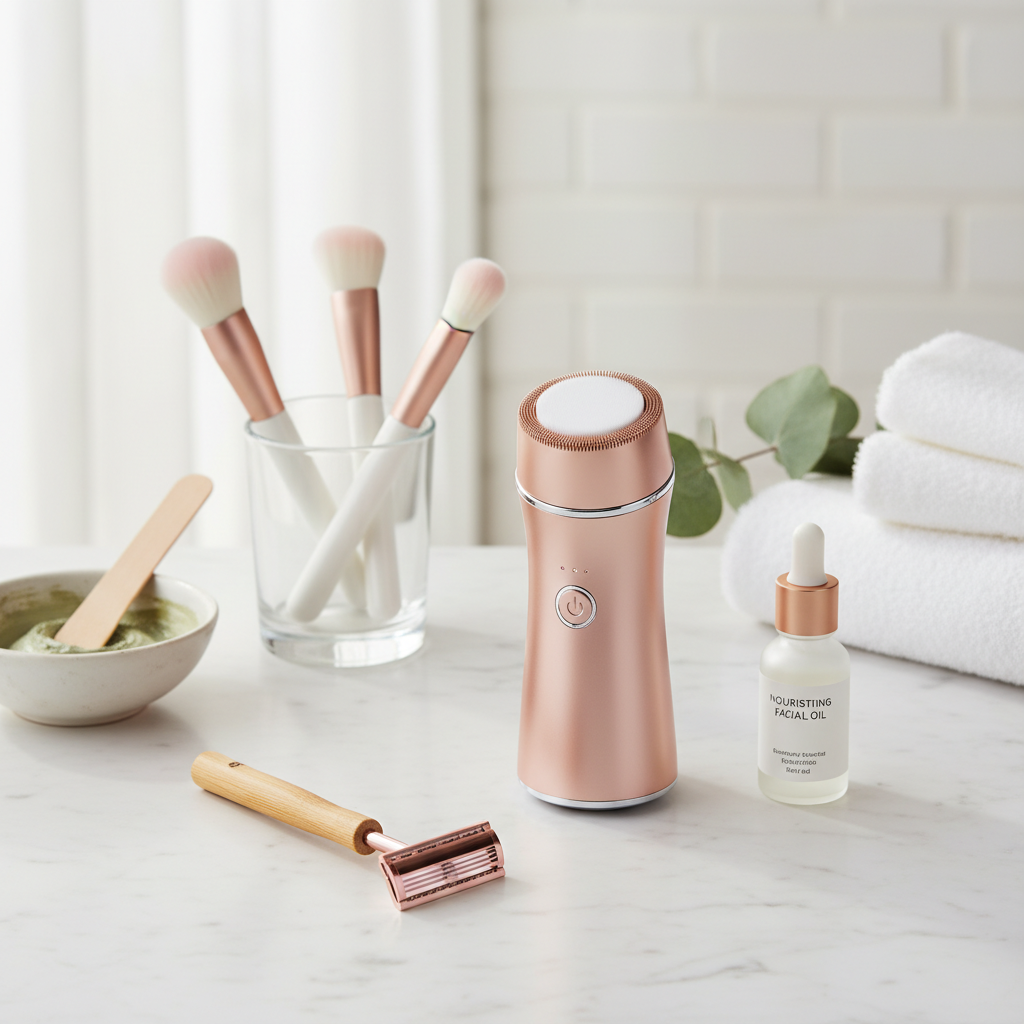
The Foundation: A Comprehensive Skincare Regimen
A solid grooming routine begins with skincare. The skin is the body's largest organ, and caring for it properly not only improves its appearance but also its health. A consistent regimen tailored to your skin type can address concerns like acne, dryness, and signs of aging, leading to a radiant and healthy complexion.
Cleansing: The First Step
Cleansing is the fundamental first step to remove dirt, oil, makeup, and environmental pollutants that accumulate on your skin throughout the day. For those who wear makeup or sunscreen, a technique called "double cleansing" is highly effective. It involves using an oil-based cleanser first to break down oil-based products, followed by a water-based cleanser to wash everything away and clean the skin itself.
Choosing the right cleanser is crucial. Gel or foaming cleansers work well for oily or combination skin as they help control excess sebum. Cream or lotion cleansers are better suited for dry or sensitive skin because they are more hydrating and less likely to strip the skin of its natural oils. Regardless of the type, always use lukewarm water, as hot water can be drying and irritating.
Exfoliating: Revealing Brighter Skin
Exfoliation is the process of removing dead skin cells from the surface of your skin. This step is vital for preventing clogged pores, improving skin texture, and allowing your other skincare products to penetrate more effectively. There are two main types of exfoliants: physical and chemical.
Physical exfoliants use small particles (like sugar or jojoba beads) or a tool (like a brush) to manually scrub away dead cells. Chemical exfoliants use acids, such as Alpha Hydroxy Acids (AHAs) or Beta Hydroxy Acids (BHAs), to dissolve the bonds holding dead skin cells together. AHAs are great for surface-level exfoliation and hydration, while BHAs are oil-soluble and can penetrate deeper into pores, making them ideal for oily and acne-prone skin. It's important not to over-exfoliate; one to three times a week is generally sufficient.
Toning and Treating: Balancing and Targeting Concerns
After cleansing, a toner helps to remove any last traces of dirt and rebalance your skin's pH. Modern toners are often formulated with beneficial ingredients to hydrate, soothe, or provide antioxidants. Following the toner, you can apply treatments like serums, which are concentrated formulas designed to target specific concerns such as fine lines, dark spots, or dehydration.
Serums containing Vitamin C are excellent for brightening the skin and providing antioxidant protection during the day. Retinoids are a powerful ingredient for evening use, known for their ability to promote cell turnover and boost collagen production. Hyaluronic acid is another popular ingredient that provides intense hydration by drawing moisture into the skin.
Moisturizing and Protecting: The Essential Final Steps
Moisturizing is a non-negotiable step for all skin types, including oily skin. A good moisturizer helps to lock in hydration, support the skin's natural barrier, and keep it feeling soft and supple. The texture of your moisturizer should match your skin type—lightweight lotions or gels for oily skin, and richer creams for dry skin.
The single most important step in any morning routine is applying a broad-spectrum sunscreen with an SPF of 30 or higher. Sunscreen protects your skin from harmful UV rays, which are the primary cause of premature aging, sunburn, and skin cancer. This step is essential every single day, regardless of the weather or whether you plan to be indoors or outdoors.
Hair Care and Styling Essentials
Healthy, well-maintained hair can significantly boost confidence. A proper hair care routine involves more than just washing; it includes understanding your hair's specific needs and treating it gently.
Understanding Your Hair Type
The first step to effective hair care is identifying your hair type. Hair is generally categorized by its curl pattern (straight, wavy, curly, coily), its thickness (fine, medium, coarse), and its porosity (low, normal, high). Porosity refers to your hair's ability to absorb and retain moisture. Knowing these characteristics will help you choose the right products and techniques to keep your hair healthy and manageable.
The Right Washing and Conditioning Routine
How often you wash your hair depends on your hair type and lifestyle. Oily hair may require more frequent washing, while dry or curly hair can often go longer between washes. Using a sulfate-free shampoo can be gentler on the hair. Always follow shampoo with a conditioner, focusing the product on the mid-lengths and ends to hydrate and detangle without weighing down the roots. Once a week, consider using a deep conditioner or hair mask for an extra boost of moisture and nourishment.
Hair Removal Techniques
Grooming often includes hair removal, and there are several methods to choose from based on your preference, budget, and pain tolerance. Shaving is a quick and painless method but offers short-term results. Waxing removes hair from the root, providing smoother skin for several weeks, but it can be painful. Epilating is a similar method that uses a device to pull out hairs from the root. For longer-term solutions, laser hair removal targets hair follicles to reduce growth over time, though it requires multiple sessions and a higher initial investment.
Eyebrow and Eyelash Grooming
Well-shaped eyebrows frame the face and enhance your features. Common shaping methods include tweezing, waxing, and threading. The goal is to create a shape that complements your face structure. For eyelashes, using an eyelash curler can open up the eyes. Applying a nourishing lash serum can also help promote healthier, stronger lashes over time.
Body Care from Neck to Toes
A complete grooming routine extends beyond the face and hair. Caring for the skin on your body is just as important for overall health and appearance.
Daily Body Cleansing and Moisturizing
Use a gentle body wash or soap that cleanses without stripping your skin of its natural moisture. After showering or bathing, while your skin is still slightly damp, apply a body lotion, cream, or oil. This helps to seal in moisture and keep your skin hydrated, preventing dryness and flakiness, especially on areas like elbows, knees, and heels.
Body Exfoliation: Scrubs and Dry Brushing
Just like the face, the body benefits from regular exfoliation. Using a body scrub in the shower two to three times a week can slough off dead skin cells, leaving your skin feeling smooth and soft. Another popular technique is dry brushing. Using a natural-bristle brush on dry skin before you shower can help exfoliate, boost circulation, and may even help reduce the appearance of cellulite.
Hand and Foot Care
Hands and feet often endure a lot of wear and tear. Regular manicures and pedicures, whether done at home or professionally, are key. Keep nails trimmed and shaped, and pay attention to your cuticles by gently pushing them back and moisturizing them. Regularly use a rich hand cream and a foot cream, especially overnight, to combat dryness and keep the skin soft.
Oral Hygiene for a Healthy Smile
Oral health is a critical component of personal grooming and overall wellness. A healthy smile is not just about aesthetics; it's about preventing cavities, gum disease, and bad breath.
Brushing and Flossing Fundamentals
The cornerstones of oral hygiene are brushing at least twice a day for two minutes and flossing daily. Use a soft-bristled toothbrush and fluoride toothpaste to effectively remove plaque and food particles. Flossing is essential for cleaning between the teeth and under the gumline, areas that a toothbrush can't reach.
Beyond the Basics: Mouthwash and Tongue Scraping
Incorporating an antiseptic or fluoride mouthwash into your routine can help kill bacteria that cause bad breath and plaque. Additionally, using a tongue scraper can remove bacteria buildup on the tongue, which is a common source of bad breath and can improve your overall sense of taste.