The Versatile Comfort of Inflatable Beds for Your Guest Rooms and Travel Needs
Whether you're hosting last-minute guests or need a comfortable bed on the go, finding the right sleeping solution can be a challenge. Modern inflatable beds are a world away from the leaky, uncomfortable versions of the past, offering a surprisingly practical and cozy alternative.
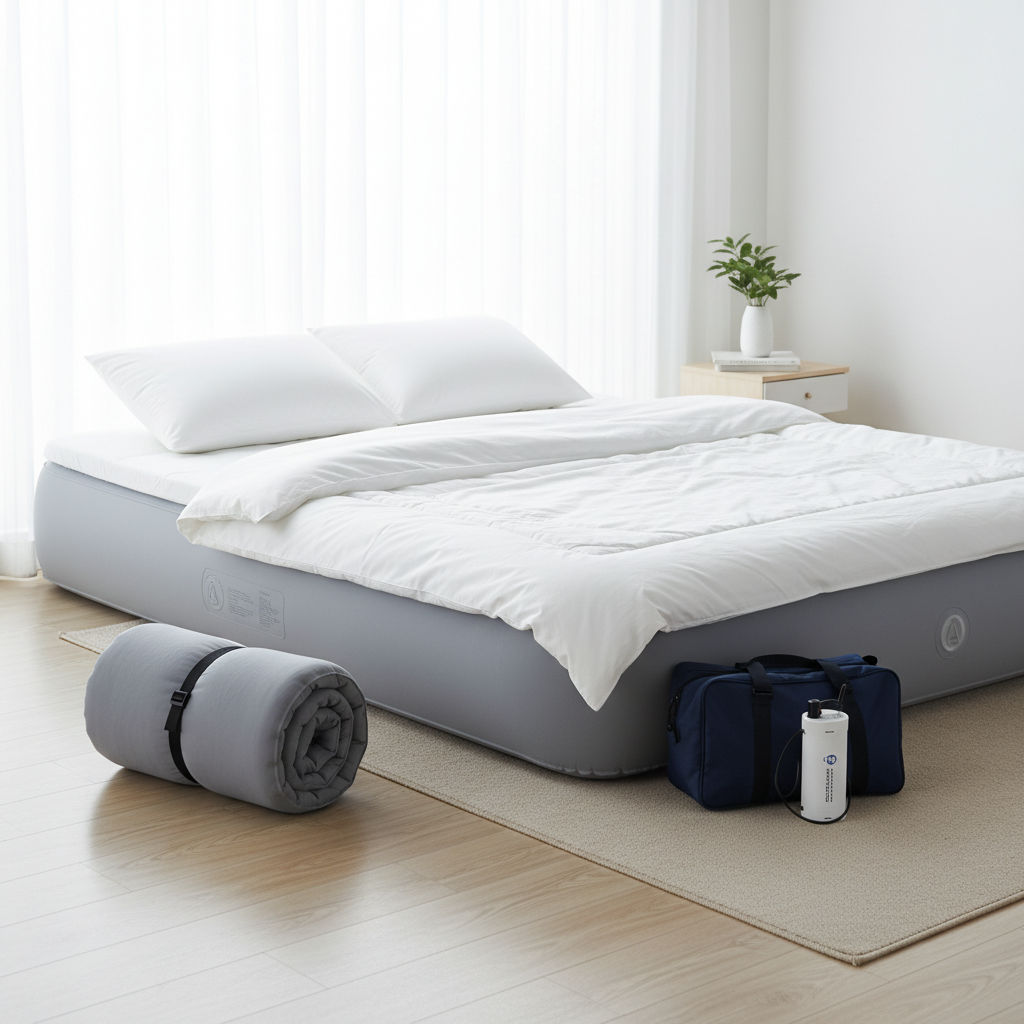
Key Reasons to Choose an Inflatable Bed
Inflatable beds, often called air mattresses, have transformed from simple camping accessories into sophisticated, comfortable sleeping solutions. They offer a unique blend of convenience, comfort, and affordability that makes them an ideal choice for a variety of situations, particularly for hosting guests or taking on the road. Let's explore the primary reasons why an inflatable bed is such a versatile and practical investment.
1. Exceptional Space-Saving Capabilities
The most significant advantage of an inflatable bed is its ability to save space. A traditional guest bed, whether it's a full mattress and box spring or even a futon, occupies a permanent footprint in a room. For those living in smaller homes, apartments, or condos, dedicating an entire room or a large portion of one to a guest bed that is used only occasionally is simply not practical. This is where an air mattress truly shines.
When not in use, an inflatable bed can be deflated, folded, and stored away in a closet, under a bed, or on a shelf. A queen-sized air mattress that provides ample sleeping space for two adults can often be stored in a duffel bag or a box no larger than a piece of carry-on luggage. This allows a home office, playroom, or living room to be instantly converted into a comfortable guest room in minutes, and then reverted just as quickly once your guests depart.
2. Unmatched Portability and Convenience
Beyond saving space at home, the inherent portability of inflatable beds makes them perfect for travel. If you're going on a road trip, visiting family, or even camping, bringing your own bed ensures a comfortable and familiar sleeping surface. Most modern air mattresses come with a dedicated carrying bag, and their lightweight nature means they are easy to transport. This can be a huge money-saver, allowing you to stay with friends or family instead of booking a hotel, without feeling like you're imposing.
The convenience factor is further enhanced by modern inflation technology. Gone are the days of exhausting foot pumps. Many high-quality inflatable beds now feature built-in electric pumps that can inflate or deflate the mattress in under five minutes with the simple turn of a knob. This effortless setup and takedown process removes one of the biggest historical hassles associated with air mattresses, making them a truly practical option for any situation.
3. Customizable Firmness for Personalized Comfort
Comfort is subjective; what one person finds perfectly firm, another might find uncomfortably hard. Traditional mattresses offer a single, fixed level of firmness, which may not suit every guest. Inflatable beds solve this problem by offering completely adjustable firmness. By adding or releasing air, you can customize the sleeping surface to be as soft or as firm as you or your guest prefers.
This feature is a game-changer for accommodating guests with different needs, such as those with back pain who may require a firmer surface for better support. The ability to fine-tune the mattress feel ensures a more personalized and comfortable night's sleep, rivaling the comfort of many traditional beds. Some advanced models even feature dual air chambers, allowing two people sharing the bed to set individual firmness levels for their side.
4. Modern Comfort and Enhanced Durability
Today's inflatable beds are a world away from the thin, vinyl rafts of the past. Manufacturers now use advanced materials and construction techniques to create durable and remarkably comfortable products. Many are built with puncture-resistant PVC or thermoplastic polyurethane (TPU) and feature welded seams for superior air retention. The sleeping surface is often covered with a soft, flocked material that prevents bedding from slipping and provides a velvety, comfortable feel.
Internally, the structure has also been revolutionized. Instead of being a simple bag of air, quality air mattresses often use internal air coils or chambered construction. This technology mimics the support system of a traditional innerspring mattress, providing a stable, even, and supportive surface that minimizes the "sinking" or "bouncing" feeling often associated with older models. This internal structure helps distribute weight evenly, preventing dips and bulges and ensuring a stable sleep throughout the night.
5. Impressive Cost-Effectiveness
Setting up a dedicated guest room with a traditional bed frame, mattress, and box spring can easily cost several hundred to over a thousand dollars. For a bed that might only be used a handful of times a year, this is a substantial expense. Inflatable beds offer a high-quality sleeping solution for a fraction of that price. A durable, comfortable, queen-sized air mattress with a built-in pump can be purchased for a very reasonable price.
This affordability makes it accessible for almost any budget. It allows homeowners to provide a genuinely comfortable space for guests without a major financial commitment. When you consider the mattress's dual use for travel and its minimal storage requirements, the value proposition becomes even more compelling. It's an investment in hospitality and convenience that pays for itself quickly.
The Evolution of the Air Mattress: From Pool Toy to Proper Bed
The concept of an inflatable object for comfort isn't new, but its application as a legitimate mattress has undergone a significant transformation. The earliest air mattresses, dating back to the late 19th century, were made of rubberized fabric and were seen as novelties or medical devices. For much of the 20th century, they were largely associated with camping or poolside lounging—thin, flimsy, and prone to leaks.
The turning point came with advancements in materials and technology. The shift from simple rubber to durable, multi-layered Polyvinyl Chloride (PVC) dramatically improved puncture resistance and longevity. However, the real revolution was in the internal structure. Innovators realized that to feel like a real bed, an air mattress needed internal support. This led to the development of air coil and air beam construction, where vertical or horizontal vinyl chambers create a much more stable and supportive surface. These internal structures prevent the bed from bulging in the middle and provide consistent support from edge to edge, much like the coils in a traditional mattress.
The integration of powerful, built-in electric pumps in the late 1990s and early 2000s cemented the air mattress's place as a convenient household item. No longer a chore to inflate, a comfortable bed could be ready in minutes. Today, features like flocked tops for comfort, raised "double-height" profiles for easy access, and advanced materials continue to push the boundaries, blurring the line between a temporary bed and a permanent sleeping solution.
Common Questions About Inflatable Beds
Even with modern advancements, users often have practical questions about getting the most out of their inflatable beds. Here are answers to a few common queries.
How can I make an inflatable bed more comfortable?
While modern air mattresses are comfortable on their own, a few simple additions can elevate the sleeping experience significantly. First, use proper bedding. A fitted sheet, a flat sheet, and a comfortable comforter or duvet will make it feel much more like a traditional bed. Placing a mattress topper—whether foam, memory foam, or fiberfill—on top of the air mattress can provide an extra layer of plushness and insulation from the cooler air inside the mattress.
Another key tip is to place the air mattress on a soft surface, like a rug or carpet, rather than a cold, hard floor. This helps with insulation and can reduce noise from movement. Finally, don't over-inflate the mattress. A rock-hard surface can be uncomfortable and puts unnecessary strain on the seams. Inflate it until it's firm, but with a slight give, and adjust it to your guest's preference.
What's the best way to find and patch a leak?
Finding a slow leak can be frustrating, but there's a systematic way to do it. Start by visually inspecting the mattress for any obvious holes or tears, paying close attention to the seams. If you can't see anything, mix some dish soap with water in a spray bottle and lightly spray sections of the inflated mattress. The leak will cause the soapy water to form bubbles, pinpointing the exact location of the hole. This method is much easier than trying to submerge a large mattress in water.
Once you've found the leak, clean the area thoroughly with rubbing alcohol and let it dry completely. Most inflatable beds come with a patch kit. Apply the adhesive to the patch (or use a peel-and-stick patch), press it firmly over the hole, and place a heavy weight on top for several hours to ensure a strong, airtight seal. For more information on home product care, resources like Good Housekeeping often provide excellent maintenance guides.
Can you use an air mattress for long-term, everyday sleeping?
This is a common question, especially for those in transitional living situations. While a high-quality inflatable bed can be used for nightly sleeping for short to medium periods, it's generally not recommended as a permanent replacement for a traditional mattress. The primary reason is support. Even the best air mattresses may not provide the consistent, targeted ergonomic support that a traditional foam or innerspring mattress does, which can be crucial for spinal alignment and long-term musculoskeletal health.
Durability is another factor. Constant inflation, deflation, and body weight pressure will eventually cause wear and tear on the seams and material, increasing the likelihood of leaks over time. That said, for periods of a few weeks or months—such as during a move, a home renovation, or while waiting for new furniture to arrive—a top-tier inflatable bed can be a perfectly acceptable and comfortable solution. For more details on sleep ergonomics and health, the Sleep Foundation offers a wealth of information.
Conclusion
Inflatable beds have rightfully earned their place as a staple for modern hospitality and travel. Offering an unbeatable combination of space-saving design, portability, adjustable comfort, and affordability, they solve the common dilemma of how to comfortably accommodate guests without sacrificing valuable living space. Thanks to significant advancements in materials and design, today's air mattresses provide a stable, supportive, and pleasant sleeping experience that makes them a practical and intelligent choice for any home.