Top 10 Camping and Hiking Destinations to Avoid in the US: A Guide to Safe Adventures
Planning the perfect outdoor adventure means knowing which places to skip just as much as knowing where to go. While countless U.S.
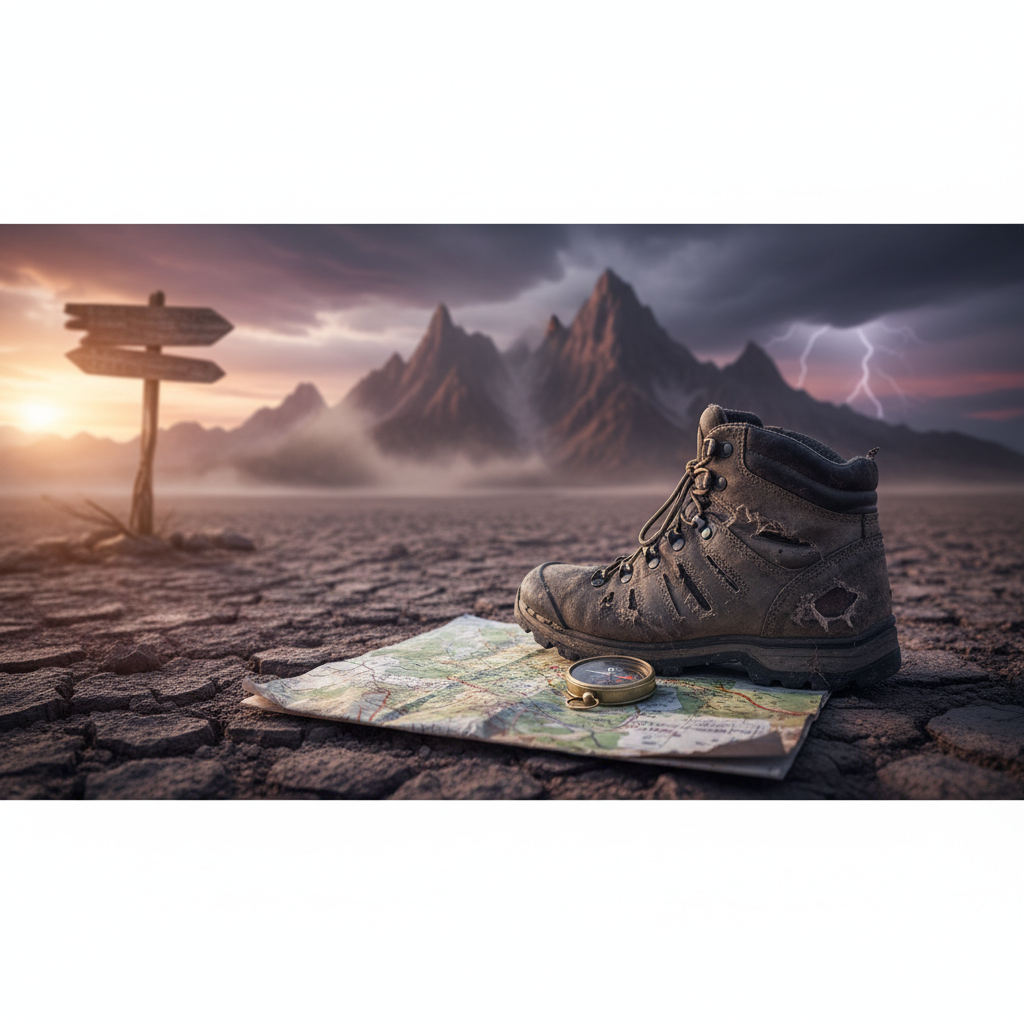
Camping And Hiking Spots You Should Avoid In The US
The United States is home to some of the most breathtaking natural landscapes in the world, offering endless opportunities for camping and hiking. However, not all trails are created equal. Some locations, while beautiful, pose significant risks to even the most experienced outdoors enthusiasts due to extreme weather, treacherous terrain, dangerous wildlife, or sheer remoteness. Understanding which spots require extreme caution or should be avoided altogether is crucial for staying safe. Here are some of the most dangerous camping and hiking spots in the US that demand respect and meticulous preparation.
Locations That Demand Extreme Caution
1. The Maze District, Canyonlands National Park, Utah
The Maze is not just a name; it's a warning. This section of Canyonlands is one of the most remote and inaccessible areas in the continental United States. It's a confusing labyrinth of deep, twisting canyons that can easily disorient hikers. Getting lost here is a life-threatening possibility, as GPS signals are unreliable and there are very few marked trails. The terrain is rugged, requiring advanced scrambling and navigation skills to traverse safely.
Furthermore, water sources are scarce and unreliable, making dehydration a primary concern. Rescue operations in The Maze are incredibly complex and can take days to execute, even with modern technology. This area is strictly for highly experienced, self-sufficient desert navigators who carry all necessary supplies, including several days' worth of extra water. For the average hiker, the risks far outweigh the rewards.
2. Mount Washington, New Hampshire
Despite its relatively modest height of 6,288 feet, Mount Washington is infamous for having some of the worst weather in the world. The mountain holds the record for the highest wind speed ever recorded outside of a tropical cyclone, at a staggering 231 miles per hour. The weather can change in an instant, with hurricane-force winds, dense fog, and blinding snowstorms possible even in the middle of summer. Temperatures can plummet dramatically, creating severe hypothermia risks.
Many of the more than 150 fatalities recorded on the mountain have been due to unprepared hikers being caught off guard by the sudden and violent weather shifts. The combination of steep, rocky trails and extreme conditions makes this a formidable challenge. Anyone attempting to summit Mount Washington must check multiple weather forecasts, carry full winter gear regardless of the season, and be prepared to turn back at the first sign of trouble.
3. Death Valley National Park, California
As its name suggests, Death Valley is a land of extremes. It holds the record for the highest air temperature ever recorded on Earth (134°F or 56.7°C). Hiking here during the summer months is exceptionally dangerous and strongly discouraged by park officials. The intense heat can lead to rapid dehydration, heat exhaustion, and life-threatening heatstroke in a very short amount of time. Even vehicles can fail in these extreme temperatures, leaving visitors stranded miles from help.
While the park is beautiful and can be enjoyed safely during the cooler months, venturing onto its trails between late spring and early fall is a serious gamble. Visitors should stick to short, easy walks near their vehicles and carry several gallons of water per person. Exploring remote canyons or attempting long hikes during peak heat is an invitation for disaster.
4. Kalalau Trail, Kauai, Hawaii
The 11-mile Kalalau Trail along the Nāpali Coast is renowned for its stunning beauty but is equally known for its dangers. The trail is often narrow, muddy, and slick, with precipitous drop-offs into the ocean below. Heavy rains can cause flash floods, making stream crossings impassable and treacherous. Falling rocks are also a constant hazard, especially along the infamous "Crawler's Ledge," a narrow section of trail with a sheer cliff on one side.
A permit is required to hike the full trail, but even with preparations, accidents are common. The remote location means help is far away. While the views are spectacular, this trail is only suitable for sure-footed, experienced hikers with a high tolerance for risk and a keen awareness of weather conditions.
5. Denali National Park, Alaska
Climbing Denali, the highest peak in North America, is an expedition reserved for elite mountaineers. However, even hiking in the lower-elevation backcountry of this vast wilderness presents serious challenges. The park is largely trail-less, requiring excellent off-trail navigation skills. The weather is unpredictable and can be severe, with snow possible at any time of year. Major hazards include crossing swift, glacially-fed rivers with freezing cold water.
Wildlife encounters, particularly with grizzly bears and moose, are another significant risk. Hikers must be well-versed in bear safety protocols and carry bear spray. The sheer remoteness of the park means that if something goes wrong, you are truly on your own. It is a place of raw, unforgiving beauty that punishes any lack of preparation or respect.
6. Grand Canyon National Park, Arizona
The Grand Canyon is one of the most visited national parks, but its beauty hides significant dangers. The most common threat is not falling from the rim but heat-related illness. Many hikers underestimate the "reverse mountain" effect: the hike down is easy, but the strenuous climb back up takes place during the hottest part of the day. The inner canyon can be 20°F (11°C) warmer than the rim, creating oven-like conditions.
Dehydration, heatstroke, and hyponatremia (a dangerous condition caused by drinking too much water without replacing electrolytes) are responsible for hundreds of rescues each year. Park rangers advise against hiking from the rim to the river and back in a single day. Proper planning, acclimatization, and carrying ample water and salty snacks are essential for a safe trip.
Understanding the Risks: Why Some Trails Are More Dangerous Than Others
The allure of the wild often comes with inherent risks. Understanding the specific factors that make a location dangerous is the first step toward mitigating them. The most common dangers can be categorized into a few key areas. First, environmental factors play a huge role. Extreme weather, whether it's the blistering heat of Death Valley or the arctic winds of Mount Washington, can overwhelm even well-equipped adventurers. Unpredictable weather changes are particularly hazardous, catching people off guard.
Terrain is another critical element. Trails with sheer drop-offs, unstable footing like scree fields, or unmarked paths through complex landscapes like The Maze present obvious physical dangers. Add in natural obstacles like swift river crossings or the potential for flash floods and rockfalls, and the risk profile of a hike increases dramatically. Remoteness compounds all these issues. In areas far from roads and cell service, a simple twisted ankle can escalate into a major survival situation because help is hours or even days away.
Finally, wildlife encounters, while less common, are a serious consideration in places like Denali or the Rockies. Understanding how to coexist with animals like bears, moose, and mountain lions is a crucial backcountry skill. Ultimately, the danger of a place is a combination of these objective hazards and a hiker's subjective preparedness, experience, and decision-making.
Common Questions About Hiking Safety
What are the most common mistakes hikers make?
One of the most frequent and dangerous mistakes is underestimating the trail and overestimating one's own abilities. Many people choose hikes that are too long or difficult for their fitness level. This leads to exhaustion, poor decision-making, and an increased risk of injury. A closely related error is failing to carry adequate supplies, especially water. Dehydration is a primary cause of hiking emergencies and can set in much faster than people realize, particularly in dry or hot climates.
Another critical mistake is ignoring the weather forecast or failing to prepare for sudden changes. Wearing improper footwear and clothing, such as cotton fabrics that lose insulation when wet, can quickly lead to blisters, discomfort, and even hypothermia. Lastly, many hikers venture out alone without telling anyone their specific plan—where they are going and when they expect to return. This simple step, leaving a detailed itinerary with a trusted person, can be the difference between a swift rescue and a prolonged, dangerous search.
How can I properly prepare for a challenging hike?
Proper preparation is multifaceted. It starts with physical conditioning; you should be in good enough shape to comfortably complete the hike's distance and elevation gain. Research is the next step. Learn everything you can about the trail, including recent conditions, water sources, and potential hazards. Use multiple sources, such as official park websites, recent trip reports from other hikers, and guidebooks.
Your gear is your lifeline. Always carry the "Ten Essentials," which include navigation tools (map, compass, GPS), a headlamp, sun protection, first-aid supplies, a knife, fire-starting materials, a shelter, and extra food and water. Your clothing should be layered and made of moisture-wicking materials. Finally, create a detailed trip plan and leave it with someone reliable. This plan should include your route, your start and end times, and a "panic time"—the time they should call for help if they haven't heard from you.
Conclusion
The United States offers a diverse and spectacular range of landscapes for outdoor adventures. While the allure of challenging, remote, and iconic locations is strong, it's vital to approach them with a healthy dose of respect and realism. The spots listed here are not necessarily "no-go" zones for everyone, but they are places where the margin for error is razor-thin. By understanding the specific risks, preparing meticulously, and knowing your own limits, you can make informed decisions that prioritize safety above all else, ensuring that your time in the wilderness is memorable for all the right reasons.
For official park alerts and safety information, please visit: