Top 10 Common Mistakes to Steer Clear of When Managing Sleep Apnea
Are you navigating the challenges of sleep apnea? Discover the 10 crucial mistakes to avoid for managing your condition more effectively. From ignoring treatment options to overlooking lifestyle changes, these common pitfalls can impact your quality of sleep and overall health.
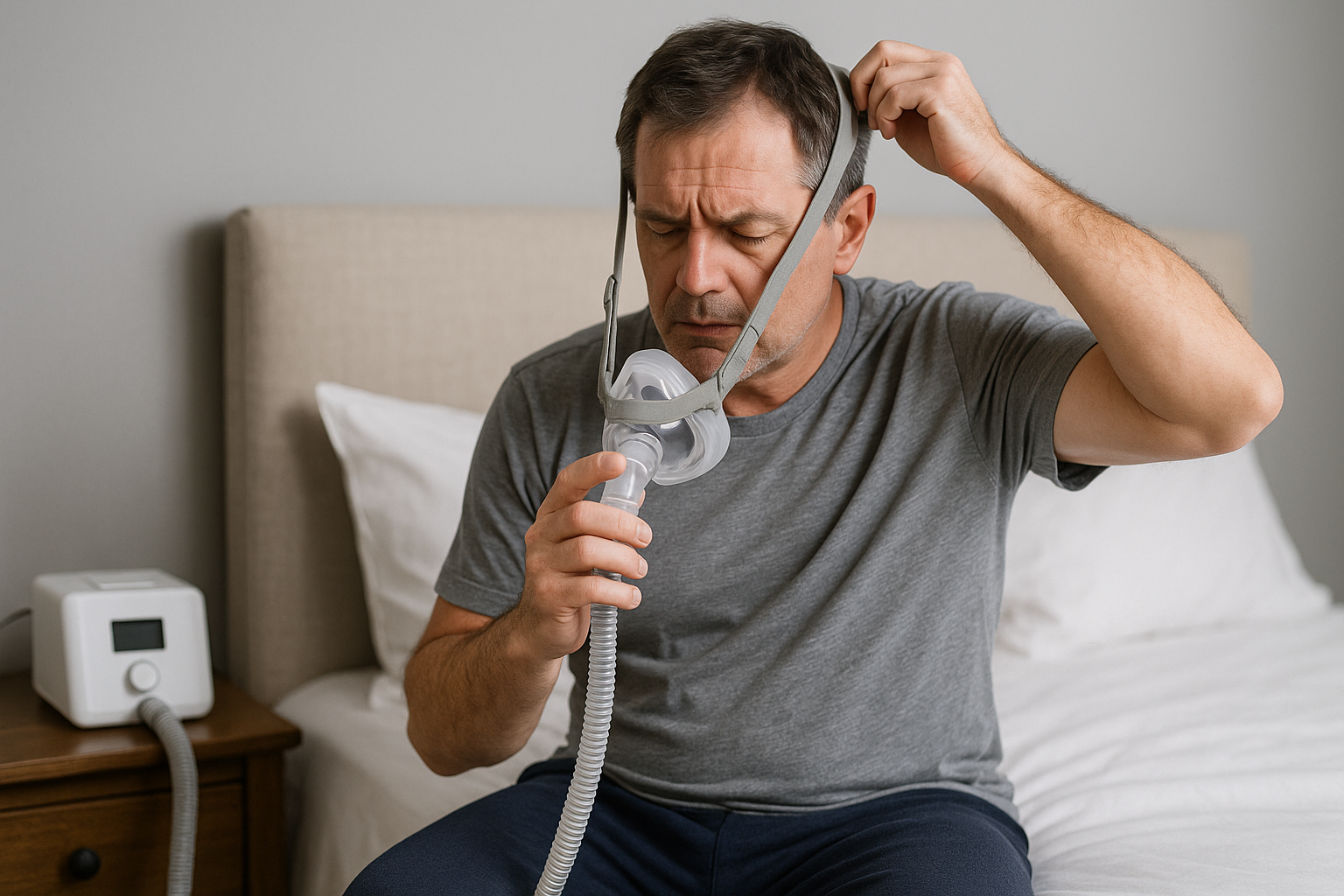
Understanding Sleep Apnea and Its Challenges
Sleep apnea is a common yet serious sleep disorder that affects millions of people worldwide. It's characterized by repeated interruptions in breathing during sleep, which can lead to poor sleep quality and numerous health risks. If you suspect that you or a loved one might have sleep apnea, it's crucial to understand this condition and take proactive steps to manage it.
According to a 2026 report from the American Sleep Apnea Association, an estimated 22 million Americans suffer from sleep apnea, with 80% of moderate to severe cases undiagnosed (source: ASAA). The good news is that with the right knowledge and treatment, sleep apnea can be effectively managed.
Types of Sleep Apnea
- Obstructive Sleep Apnea (OSA): The most common form, OSA occurs when throat muscles relax excessively.
- Central Sleep Apnea: This type happens when your brain doesn't send proper signals to the muscles that control breathing.
- Complex Sleep Apnea Syndrome: Also known as treatment-emergent central sleep apnea, this is a combination of OSA and central sleep apnea.
10 Mistakes To Avoid If You Have Sleep Apnea
Not Seeking Medical Advice
One of the biggest mistakes is ignoring the problem altogether. If you or someone you know exhibits symptoms like loud snoring, choking during sleep, or daytime fatigue, seek medical advice. Delaying treatment can lead to complications like cardiovascular issues, as confirmed by recent findings from the Mayo Clinic (source: Mayo Clinic).
Skipping Sleep Studies
Accurate diagnosis often requires a sleep study, either in a sleep center or via home testing. A 2026 study published in the Journal of Clinical Sleep Medicine highlights that home sleep apnea tests have become increasingly accurate and can be a convenient initial step for diagnosis (source: JCSM).
Overlooking Lifestyle Changes
Lifestyle modifications play a crucial role. Weight loss, regular exercise, and avoiding alcohol and tobacco can significantly alleviate symptoms. For instance, a study from the University of California in 2026 showed that losing just 10% of body weight can reduce the severity of sleep apnea by 30% (source: University of California Study).
Inconsistent Use of CPAP Machines
Continuous Positive Airway Pressure (CPAP) machines are a common treatment for OSA. Not using them consistently is a common mistake. Many patients find the masks uncomfortable, but recent advancements have made them user-friendly with customizations to fit various needs.
Ignoring Sleep Position
For some, changing sleep position can mitigate apnea symptoms. Side sleeping is often recommended. Using positional therapy devices can help ensure that you don't roll onto your back during sleep.
Neglecting Oral Appliance Therapy
Oral appliances designed to keep the airway open can be effective for mild to moderate OSA cases. Consult with a dentist specializing in sleep medicine for personalized solutions.
Dismissing the Impact of Allergies
Allergic reactions can worsen sleep symptoms by blocking nasal airways. Managing allergies with medications or air purifiers can improve sleep quality significantly.
Failing to Address Coexisting Conditions
Conditions like hypertension and diabetes can exacerbate sleep apnea symptoms. Managing these coexisting conditions is crucial for overall health improvement.
Underestimating the Role of Diet
Diet affects sleep quality. Foods high in sugar and saturated fats can contribute to weight gain, worsening apnea symptoms. Focus on a balanced diet rich in fruits, vegetables, and whole grains.
Avoiding Professional Follow-ups
Regular follow-ups with healthcare providers ensure that your treatment plan is effective and adjusted as needed. It's essential to keep up with these appointments to track progress and make necessary modifications.
Conclusion
Managing sleep apnea effectively requires understanding the condition and being proactive about its treatment. By avoiding these common mistakes, you can significantly improve your quality of life and reduce health risks associated with untreated sleep apnea. For further reading and resources, consult medical sites, or consider joining support groups such as those offered by the American Sleep Association.