Top 10 Nutrient-Packed Foods Your Cat Will Love
Discover the top 10 best foods for cats that veterinarians and pet owners recommend. From nutrient-rich kibble to delicious wet meals, learn what makes these options stand out. Ensure your furry friend stays healthy and happy while enjoying their meals.
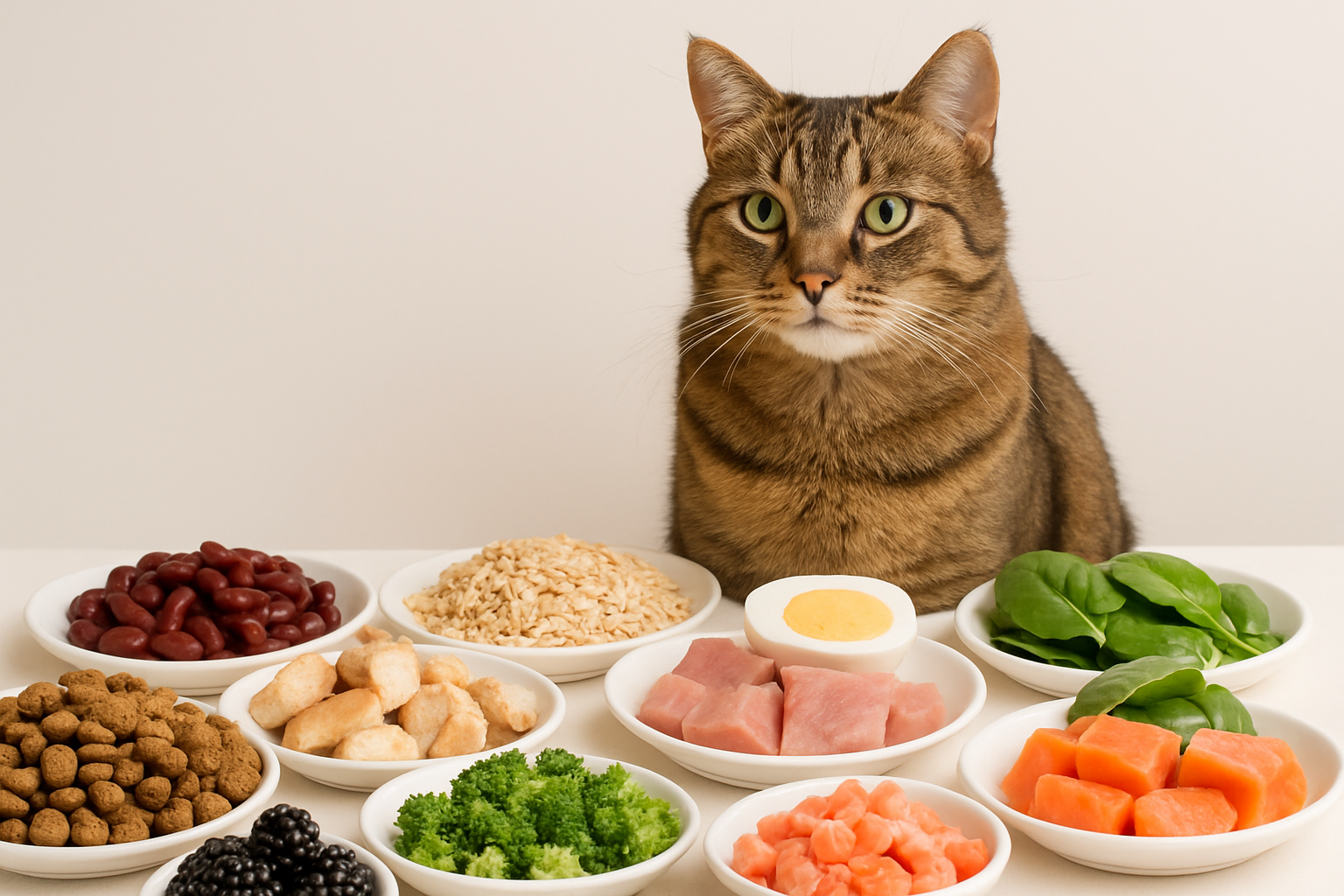
Understanding the Nutritional Needs of Cats
Cats are obligate carnivores, which means their diet primarily requires meat. They have evolved to rely on nutrients found in animal tissues, so it's crucial to know what foods provide them with the best nutrition. This dependency on specific nutrients points out why understanding the best foods for cats is essential for their health and longevity.
In this article, we will dive deep into the top 10 best foods for cats that you would find relevant to maintaining their health and happiness. Additionally, we'll explore critical questions about cat nutrition, ensuring your feline friend receives the best possible diet.
Key Nutrients Required by Cats
Before we explore the best foods, it's vital to understand the key nutrients required for a cat's diet:
- Protein: Essential for tissue growth and repair. Cats require a high-protein diet.
- Taurine: An amino acid crucial for heart health, reproduction, and vision.
- Arachnidonic Acid: A type of fatty acid important for skin and coat health.
- Vitamins and Minerals: Including Vitamin A, D, calcium, and phosphorus for overall health.
- Water: Vital for hydration and overall bodily functions.
The Top 10 Best Foods for Cats
Based on recent research data from 2026, let's explore the best foods you should consider for your cat’s diet:
1. Chicken
Chicken is a high-protein food that cats love. It's lean, easy to digest, and provides essential amino acids they need for muscle maintenance. Always ensure the chicken is cooked thoroughly and served without any seasonings or bones. [Pet Food Industry]
2. Fish
Fish like salmon and tuna are rich in omega-3 fatty acids, which are excellent for your cat's skin, coat, and heart health. However, fish should be given in moderation to prevent potential mercury contamination. [American Kennel Club]
3. Turkey
Turkey is another protein-rich food that’s safe for cats when cooked properly. It can be an excellent treat and an alternate source of lean protein.
4. Eggs
Eggs are a complete protein source and contain essential amino acids and vitamins. Ensure they are fully cooked to avoid potential health risks from raw eggs, such as salmonella. [VCA Hospitals]
5. Beef
Beef provides cats with red meat nutrients which are beneficial in supporting strong bones and muscles. Always cook beef to a safe temperature and avoid seasonings and sauces.
6. Duck
Duck is a novel protein that can be beneficial for cats with food allergies. It's nutrient-dense and provides essential vitamins and minerals.
7. Lamb
Lamb is another protein alternative, providing essential fats and amino acids. It may suit cats with sensitivity to other types of meat.
8. Organ Meats
Organ meats like liver and heart are nutrient powerhouses full of vitamins and minerals. These should be given in small amounts due to their richness and potential to cause hypervitaminosis A when overfed.
9. Cheese
In moderation, cheese can be a good source of protein and calcium, although not all cats can tolerate lactose. Introduce it slowly and observe how your cat reacts.
10. Commercial Cat Food
Quality commercial cat foods are formulated to be nutritionally complete. When selecting a commercial food, look for those specified as "complete and balanced," endorsed by regulatory bodies like the Association of American Feed Control Officials (AAFCO).
Common Questions About Cat Nutrition
How Much Should I Feed My Cat?
The amount can vary based on age, weight, activity level, and whether they are neutered or spayed. Consult your veterinarian to establish a feeding plan tailored to your pet’s individual needs.
Should Cats Eat Vegetables?
While some cats enjoy vegetables, they are not necessary to their diet. However, incorporating small amounts of cat-friendly vegetables like peas or carrots can add beneficial fiber.
Are Raw Diets Safe for Cats?
Raw diets can be risky due to potential bacterial contamination. If considering a raw diet, it's crucial to work with a veterinary professional to ensure it's balanced and safe. [ASPCA]
Final Thoughts
Ensuring that your cat has a balanced diet is integral to its health and wellbeing. By understanding the best foods for your feline and the nutrients they need, you can make informed decisions that contribute to their overall health. Always consult with your veterinarian for personalized dietary advice tailored to your cat's particular needs.