Top 5 Devices You Should Always Unplug to Save Energy
Discover the unexpected energy drains that might be lurking in your home! In Top 5 Devices You Should Always Unplug, we delve into how unplugging certain household gadgets can reduce energy waste, help you save on electricity bills, and contribute to an eco-friendly lifestyle.
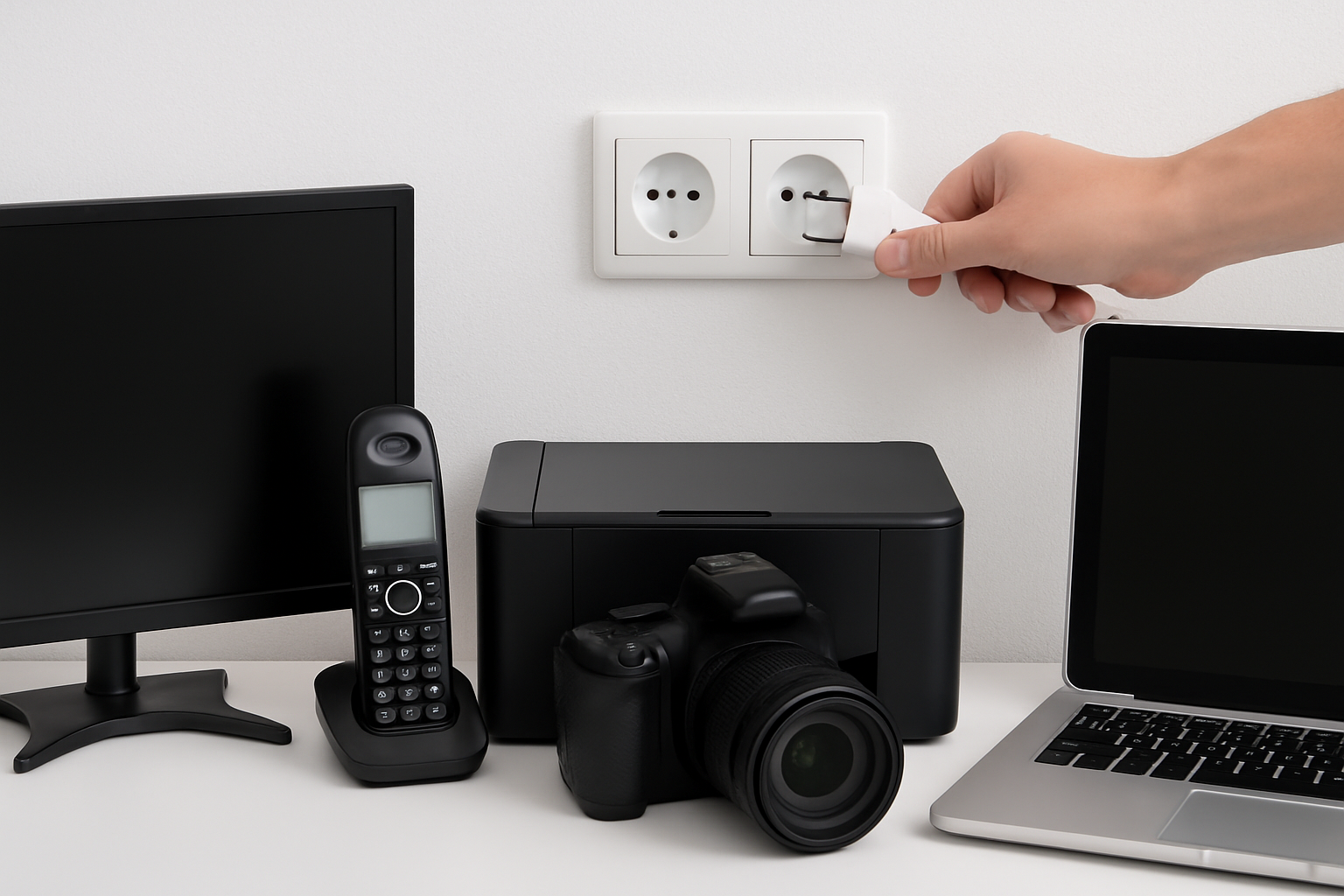
Understanding the Importance of Unplugging Devices
In our modern lives, we have become heavily reliant on electronic devices, from our kitchen appliances to home entertainment systems. While these devices make our lives easier, leaving them plugged in 24/7 can lead to several issues, ranging from high energy bills to safety hazards. This article delves into the top five devices you should always unplug to save money, extend the life of your devices, and ensure safety in your home.
Before we dive into the list, let’s address some common concerns: Why should you unplug these devices? How does it help? And what benefits can you expect?
Why Unplugging Devices is Beneficial
Unplugging devices can lead to:
- Energy Savings: Even when turned off, many electronics consume electricity, known as standby or phantom power. By unplugging them, you can significantly reduce your power consumption.
- Extended Device Lifespan: Minimizing constant exposure to electricity can decrease wear and tear on electronic components, extending their lifespan.
- Safety: Unattended devices can pose fire risks, especially older models lacking modern safety features.
A report by the Lawrence Berkeley National Laboratory in 2026 highlighted that standby power consumption can account for up to 10% of a home’s total energy use. This statistic alone underscores the potential savings from unplugging devices when not in use.
Top 5 Devices You Should Always Unplug
1. Televisions
Modern LED and OLED televisions are notorious for their standby energy consumption. When you turn them off with the remote, they still remain in a standby mode to quickly power on. The solution is simple: plug your TV into a power strip. When you’re not watching, switch off the power strip to cut off electricity completely.
According to a 2026 Energy Star study, unplugging your TV or using a switched power strip can reduce its energy consumption by up to 25% annually.
2. Chargers (Phones and Gadgets)
Mobile phone and gadget chargers are small yet significant energy vampires. When left plugged in, even without a device attached, they continuously draw power. Remembering to unplug these chargers can be a small but effective way to reduce unnecessary energy expenditure.
As per recent data from the International Energy Agency (2026), the cumulative energy savings from unplugging chargers can light an LED bulb for 300 hours a year.
3. Kitchen Appliances
Appliances like toasters, microwaves, and coffee makers often have digital displays or standby lights that consume power even when not in use. By unplugging these small appliances when they're not needed, you can help curb your home’s total energy usage.
When used selectively, switching off power at the source for these devices can contribute to noticeable reductions in power bills, especially given their frequent use.
4. Gaming Consoles
Gaming systems, similar to televisions, are frequently left in standby mode, which can lead to phantom energy use. After your gaming session, unplug your console or turn off the power strip. This simple action can prevent significant energy wastage over time.
Research has shown that gaming consoles left in standby mode can use up to the equivalent of two low-energy bulbs running continuously over a year.
5. Desktop Computers and Monitors
Unlike laptops, desktop computers consume substantial power and tend to remain plugged in. Shutting down your PC is a good start, but unplugging ensures zero energy consumption. Additionally, using power strips with on/off switches for computer-related devices, like printers and external monitors, can be highly effective.
The U.S. Department of Energy points out that the simple practice of unplugging desktop computers when not in use can save approximately $100 annually per household, based on current electricity rates.
Conclusion and Actionable Tips
By making a habit out of unplugging these devices, not only do you slash unnecessary energy costs, but you also contribute to a more sustainable environment. Consider forming a habit of checking these appliances and devices before heading to bed or leaving home.
- Invest in smart power strips that automatically cut power to multiple devices when turned off.
- Use reminders or sticky notes to develop the habit of unplugging devices.
- Explore home automation solutions that provide scheduled on/off settings.
With these strategies, you can enhance your home’s energy efficiency and ensure the longevity and safety of your devices. Taking these small steps can yield significant results towards lowering energy usage and promoting a greener lifestyle.
For further insights, the U.S. Department of Energy and local power providers offer resources and tips on energy management and conservation.