Top 5 Emerging Hotspots for Homebuyers in North Carolina
Discover the top 5 places in North Carolina where home demand is on the rise. These areas are gaining popularity due to their unique blend of opportunity and charm, offering potential homebuyers a promising market.
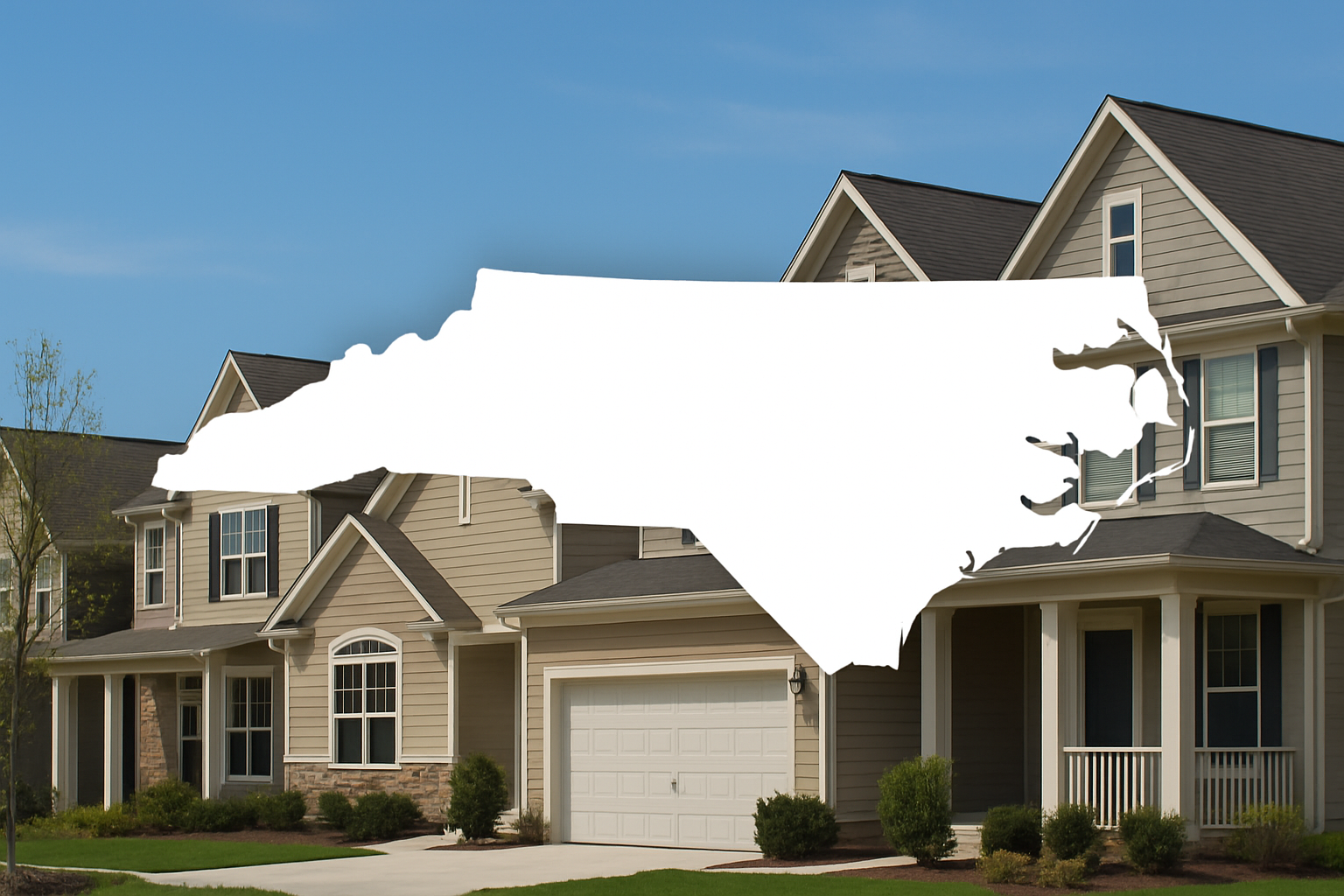
Understanding the Real Estate Market in North Carolina
North Carolina has become an attractive spot for homebuyers and investors alike. With an array of cities offering diverse lifestyles, North Carolina is witnessing significant shifts in home demand. This article delves into the top five places in North Carolina where home demand is rising in 2026, answering key questions and shedding light on the factors driving this growth.
Why is Home Demand Rising in North Carolina?
Several factors contribute to the rising home demand in North Carolina. The state offers a combination of economic growth, appealing lifestyle options, and climatic perks. Understanding these elements individually provides insights into why certain areas are experiencing a boom in real estate demand.
- Economic Opportunities: North Carolina boasts a robust economy with growing sectors like technology, healthcare, and education. Major companies like Apple and Google are expanding their footprint, contributing to job growth.
- Quality of Life: Residents enjoy a lower cost of living compared to coastal states like New York and California. Furthermore, North Carolina offers scenic beauty from the Atlantic coastlines to the Smoky Mountains.
- Infrastructure and Amenities: Enhanced infrastructure, healthcare facilities, and educational institutions attract families and professionals alike.
Top 5 Places in North Carolina with Rising Home Demand
Let’s explore the top five places where home demand is rising in North Carolina. Each of these locations offers unique propositions that attract homebuyers and investors.
1. Raleigh
Raleigh, the state capital, consistently ranks as one of the fastest-growing cities in the U.S. According to the U.S. Census Bureau, Raleigh saw a growth rate of nearly 20% over the last decade. The city’s Research Triangle Park is a major contributor to its robust economy, drawing in tech giants and startups alike.
The area’s strong academic presence, with universities such as NC State University, fuels demand for family-sized homes. Recent data indicates an increase in median home prices, signifying a competitive housing market.
2. Durham
Known for its historic architecture and vibrant cultural scene, Durham is another hub in the Research Triangle. The city’s transformation from a tobacco town to a tech and education powerhouse has stirred an increasing demand for housing. The growth of Duke University and several healthcare institutions are notable economic drivers.
Forbes highlights the rise in luxury apartments and townhomes in downtown Durham, catering to young professionals and affluent retirees.
3. Charlotte
Charlotte's booming financial sector, led by institutions like Bank of America, cements its status as a major U.S. city. Known as the ‘Queen City,’ Charlotte has seen rapid suburban expansion, with neighborhoods like Ballantyne and South End experiencing significant demand.
The real estate demand is matched by an interest in developing commercial facilities, resulting in a holistic growth approach. City of Charlotte reports suggest continued urban and suburban development working in tandem with local government initiatives.
4. Asheville
Nestled in the Blue Ridge Mountains, Asheville offers a unique blend of natural beauty and cultural vibrancy. The city appeals particularly to retirees and remote workers seeking tranquility without sacrificing amenities.
The Asheville Regional Airport’s expansion has improved connectivity, thereby boosting its appeal as a viable place to settle. Local real estate agents cite record prices for mountain view homes, indicative of the city’s climbing demand.
5. Wilmington
As a coastal city, Wilmington has seen rising demand due to its picturesque beaches and historic districts. With growth in the Cape Fear area driven by the film and television industry, Wilmington combines scenic charm with economic opportunities.
Recent infrastructure improvements have facilitated easier commutes and sparked interest in both permanent residences and vacation homes. The Greater Wilmington Business Journal points to a growing population and an uptick in home constructions.
Conclusion: Keeping an Eye on North Carolina’s Market Trends
The real estate trend in North Carolina reflects both economic vigor and lifestyle demand, suggesting a promising horizon for potential homebuyers and investors. Whether driven by job opportunities, education, or holistic living conditions, these top areas exhibit characteristics that resonate with diverse groups of home seekers.
Prospective buyers should stay informed about market shifts and leverage insights from credible sources to make prudent real estate decisions. With North Carolina’s continued prosperity, keeping a pulse on these top cities could prove beneficial for individuals looking to invest or relocate.