Top 5 Places to Buy Basic Cell Phones for Kids Focused on Texting and Calling
You’re looking for a simple phone for your child that sticks to the basics: just calls and texts. It's a great way to stay connected without the distractions and safety concerns of a full-blown smartphone.
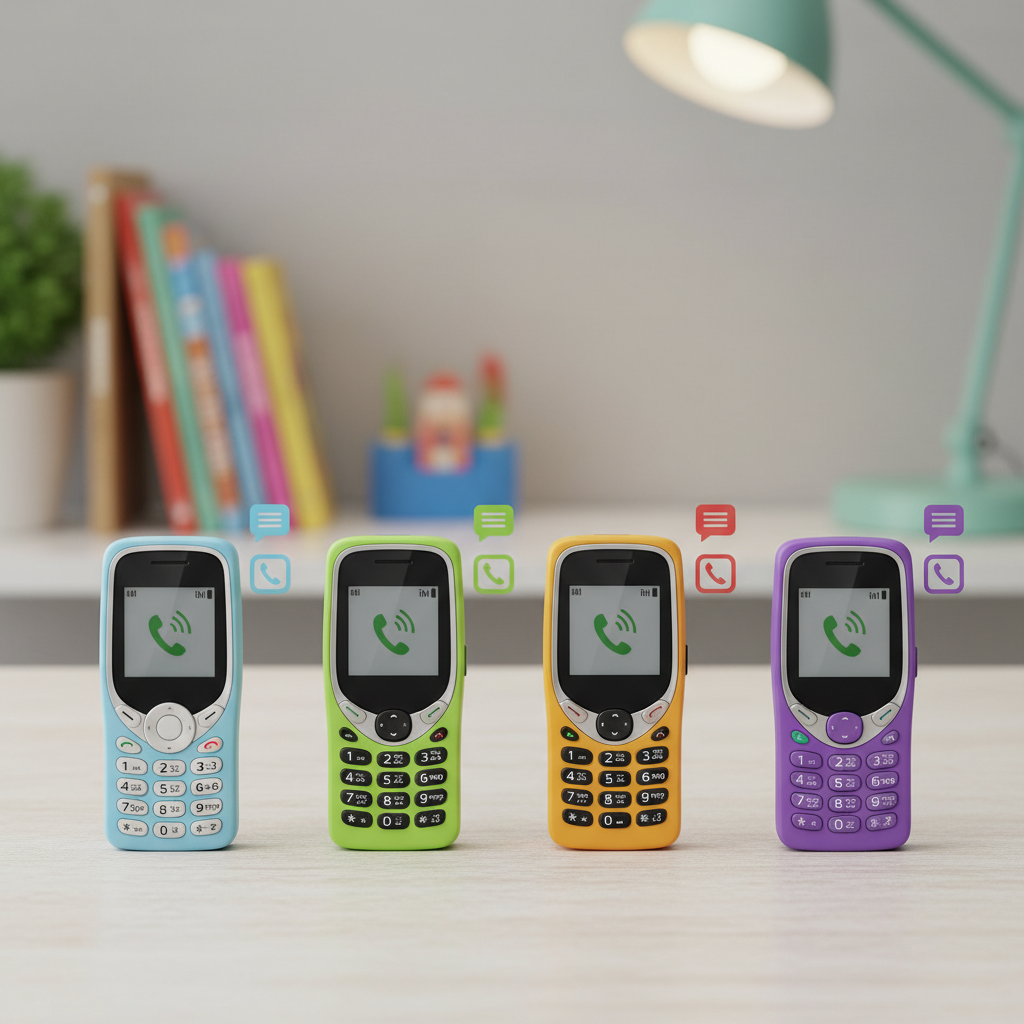
Top Places and Brands for Basic Kids' Phones
In a world dominated by smartphones, finding a device that simply calls and texts can feel like searching for a needle in a haystack. For parents wanting to stay connected with their children without exposing them to the internet, social media, and app stores, a basic "talk and text" phone is the ideal solution. These devices prioritize communication and safety over entertainment. Fortunately, there are several avenues you can explore to find the perfect phone for your child's needs.
1. Kid-Specific Phone Companies
In recent years, several companies have emerged to specifically address the demand for safe, simple phones for children. Brands like Gabb Wireless and Pinwheel have built their entire business model around this concept. These companies offer devices that are intentionally stripped of internet browsers, social media apps, and open app stores. Their phones often look and feel like modern smartphones, which can help kids feel more comfortable with them, but the internal software is locked down to only allow essential functions like calling and texting.
The primary advantage of going with a kid-specific company is the all-in-one solution. You get a purpose-built device and a compatible cellular plan designed with safety in mind. Many of these phones also come with built-in GPS tracking and robust parental controls that allow you to manage your child's contact list directly from your own phone. This takes much of the guesswork out of setting up a safe communication tool for your child.
2. Major Wireless Carriers (AT&T, Verizon, T-Mobile)
The major carriers are still a reliable source for basic phones, often referred to as "feature phones" or "kaiOS phones." While their marketing heavily promotes the latest smartphones, their online stores and physical locations usually stock a selection of simpler devices. You can look for models like the TCL FLIP Go, Nokia 2780 Flip, or similar flip phones. These phones are inherently limited; they may have a very basic web browser, but it's often clunky and not designed for extensive use, making it less appealing for kids.
When purchasing from a major carrier, you have the option of adding a line to your existing family plan, which can be cost-effective. These carriers also offer robust parental control suites (like Verizon Smart Family or T-Mobile FamilyMode) that you can add to the line. These services can help you restrict calling and texting to approved contacts, set time limits, and track the phone's location, adding a layer of security even to a basic device.
3. Unlocked "Dumb Phones" from Online Retailers
Websites like Amazon, Best Buy, and Walmart carry a wide variety of unlocked basic phones. This route gives you the most extensive selection, ranging from classic candy bar-style phones to modern-looking minimalist devices. Buying an unlocked phone means you are not tied to any specific carrier. You can choose the device you like best and then shop around for a flexible, low-cost cellular plan from a Mobile Virtual Network Operator (MVNO) like Mint Mobile, US Mobile, or Tello.
The key here is to carefully read the product specifications. Ensure the phone is compatible with the network technology (4G LTE or 5G) used by the carrier you plan to use. Since these phones aren't part of a bundled service, you will be responsible for setting up any parental controls. This often means relying on the phone's built-in, and sometimes limited, features for blocking numbers or restricting usage.
4. Second-Hand and Refurbished Markets
If you're looking for an extremely budget-friendly option, consider exploring the market for used or refurbished basic phones. Websites like Gazelle or even eBay can be good sources for older feature phones that are still perfectly functional for calling and texting. You might find older, durable models from brands like Nokia or Kyocera that were built to last. This is an excellent way to provide a communication device without a significant financial investment, which is ideal for younger children who might be more prone to losing or damaging their belongings.
When buying used, it's crucial to verify the phone's condition and ensure it is "unlocked" or compatible with your chosen carrier. Check the battery health if possible, as older batteries may not hold a charge as well. While this is the most economical path, it requires a bit more research to ensure you get a reliable device that meets your needs.