Top 5 Smart Irrigation Systems Transforming Modern Farming
Discover the best smart irrigation systems available today to transform your farming practices. Our article explores the top five innovative solutions that can help optimize water usage and boost efficiency without making unrealistic promises.
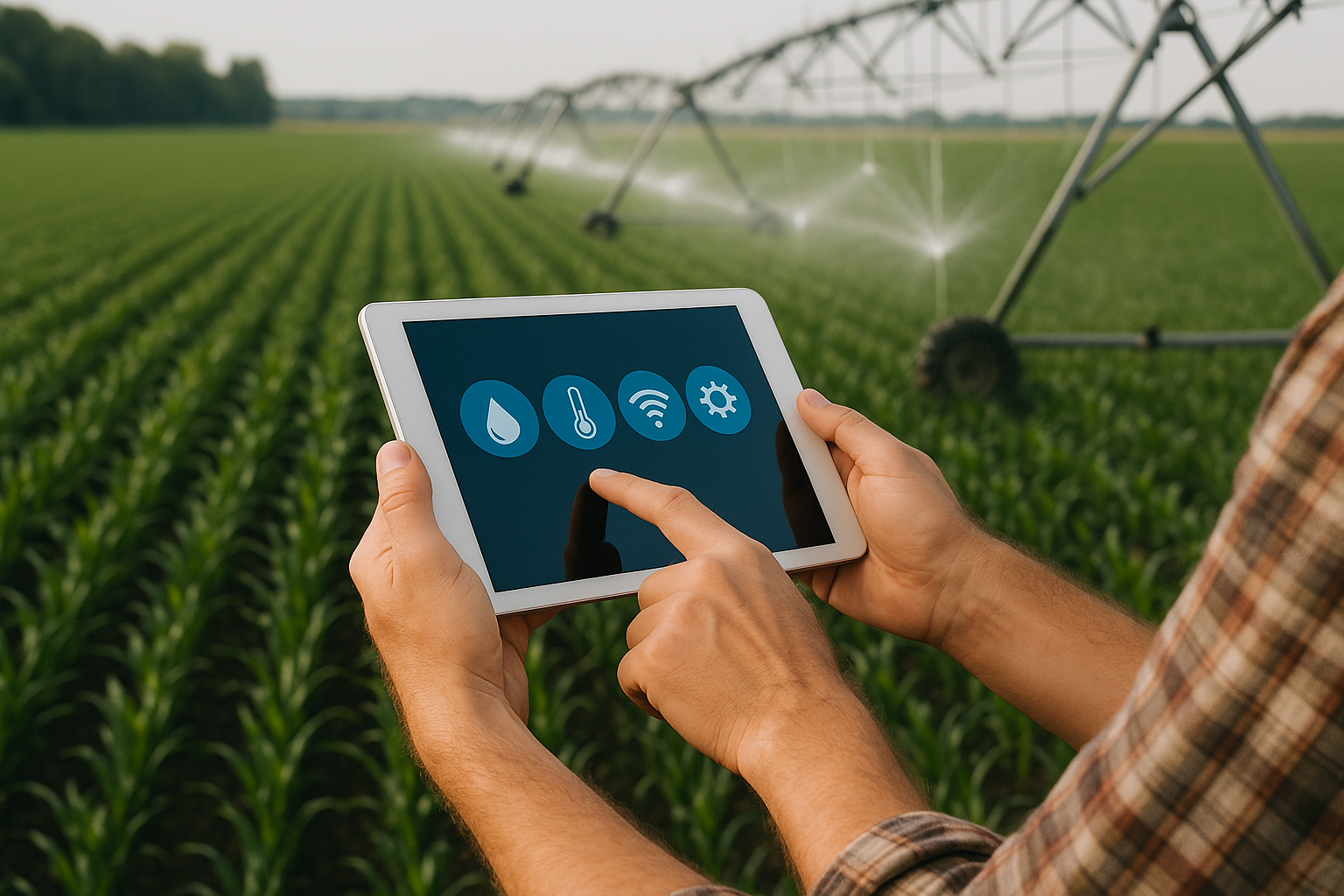
Understanding Smart Irrigation Systems
Smart irrigation systems are technologically advanced solutions designed to optimize water use in agriculture. Unlike conventional irrigation systems that operate on set schedules, smart systems consider real-time variables such as weather conditions, soil moisture levels, and plant water needs. These systems use sensors, weather data, and automated controls to adapt watering plans, ensuring efficient water use.
With water resources and agricultural productivity being critical issues for modern farmers, smart irrigation systems have become invaluable tools. With the correct implementation, these systems not only conserve water but also enhance crop yield and reduce labor costs. To understand better, let's explore the top five smart irrigation systems for modern-day farming.
Top 5 Smart Irrigation Systems for Modern-Day Farming
1. Netafim SmartFarm
Netafim is a global leader in precision irrigation solutions. Their SmartFarm technology integrates irrigation control with agronomic expertise and digital farming tools. This system uses advanced sensors to monitor field conditions and automates irrigation based on data-driven insights.
- Key Features: Real-time monitoring, automated irrigation schedules, mobile alerts
- Benefits: Up to 50% water savings, improved crop yield
- Example: A study published in 2026 showed that farms using Netafim SmartFarm reported a 30% increase in crop yield compared to traditional methods (Source: AgriTech News 2026).
2. Rain Bird’s SMRT-Y Soil Moisture Sensor
Rain Bird's SMRT-Y Sensor is designed for both agricultural and landscape irrigation applications. This system focuses on soil moisture, providing data that allows farmers to irrigate only when necessary.
- Key Features: Wireless sensor technology, precision irrigation, easy integration with existing systems
- Benefits: Reduced water usage, better plant health
- Example: A farm in California utilizing the SMRT-Y system cut their water usage by 40% while boosting crop quality (Source: Sustainable Farming 2026).
3. Hunter Hydrawise
Hunter Industries' Hydrawise is an irrigation controller that uses both weather forecasts and historical data to manage water needs in real time. This controller interfaces with a mobile app, providing users with control from anywhere.
- Key Features: Internet-enabled control, easy installation, adjustable via web and app
- Benefits: Up to 50% water savings, reduced utility bills
- Example: A 2026 report from Smart Irrigation Solutions 2026 highlighted a vineyard using Hydrawise that improved grape yield by 20% owing to precise moisture management.
4. Rachio Smart Sprinkler Controller
Rachio's Smart Sprinkler Controller offers a user-friendly way to automate irrigation based on up-to-the-minute local weather updates. This system is particularly effective for farms looking to cut down on water usage without sacrificing crop growth.
- Key Features: Integration with smart home devices, adaptable schedules, comprehensive weather analytics
- Benefits: Enhanced water efficiency, operational simplicity
- Example: Farmers transitioning to Rachio in 2026 have seen an average 35% reduction in water costs compared to manual methods (Source: Agricultural Innovations 2026).
5. WeatherTRAK ET Pro3
WeatherTRAK ET Pro3 is an industrial-grade controller that provides sophisticated water management solutions for large farming operations. It leverages evapotranspiration data to fine-tune irrigation schedules.
- Key Features: Detailed reporting, adaptable for large-scale systems, advanced weather integrations
- Benefits: Drastic reduction in waste, maximum crop yield potential
- Example: According to Water Conservation Tech 2026, farms using WeatherTRAK ET Pro3 improved irrigation efficiency by 60% over traditional systems in 2026.
Why Smart Irrigation is Essential for Modern Farming
The importance of water conservation is growing each year, and agriculture is often at the center of the discussion. With climate change disrupting weather patterns, the need for smart irrigation systems is more pressing than ever. These systems offer the dual benefit of reducing resource consumption and enhancing productivity, making them essential for sustainable farming.
Moreover, smart irrigation systems contribute to the overall health of the ecosystem by minimizing water runoff and reducing soil erosion. As a result, they help maintain the natural balance crucial for biodiversity.
How to Choose the Right Smart Irrigation System
Selecting the ideal smart irrigation system involves considering factors like farm size, crop type, local climate, and budget. Farmers should evaluate product features such as remote access capabilities, data analytics, and compatibility with existing infrastructure. Engaging with providers who offer technical support and hold a track record of successful implementations is also beneficial.
Ultimately, investing in a smart irrigation system represents not just an upgrade in technology but a commitment to sustainable farming practices that can secure agricultural profitability and environmental health for future generations.