Top 5 Tools for Boosting Male Circulation and Enhancing Blood Flow
Improving your circulation is a powerful way to boost everything from energy levels to overall wellness, and you've come to the right place to learn how. We've sifted through the options to bring you a clear breakdown of the top five circulation tools designed specifically for men.
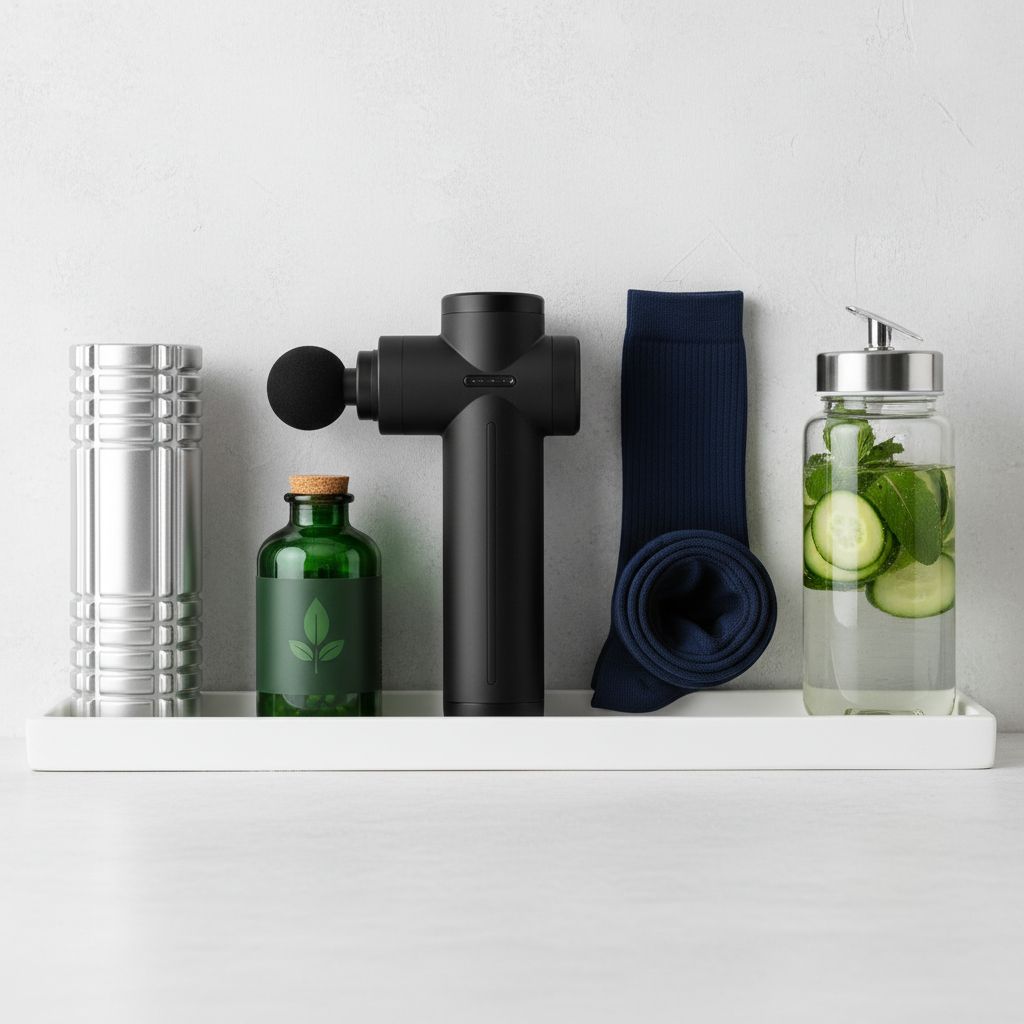
Maintaining healthy blood flow is essential for overall well-being, affecting everything from energy levels and muscle function to cognitive sharpness and cardiovascular health. For men experiencing symptoms of poor circulation, such as cold hands and feet, muscle cramps, or fatigue, various tools can help stimulate and support the body's vascular system. These devices work in different ways to encourage blood to move more efficiently, particularly in the extremities where circulation can often be weakest. Below, we explore five of the top circulation tools that can offer significant benefits.
1. Compression Socks and Stockings
Often considered the first line of defense, compression socks are a simple yet highly effective tool for improving circulation in the lower legs. They are designed to apply gentle, graduated pressure, meaning the pressure is tightest at the ankle and gradually decreases up the leg. This mechanism helps counteract the effects of gravity, preventing blood from pooling in the feet and ankles. By squeezing the leg tissues and the walls of the veins, these socks assist in pushing deoxygenated blood back up toward the heart more efficiently.
This improved venous return not only reduces swelling and aching but also enhances the overall circulatory loop. They are particularly beneficial for men who spend long hours sitting at a desk or standing, as prolonged inactivity can hinder the muscle pump action in the calves that naturally aids blood flow. Available in various pressure levels (measured in mmHg) and styles, from athletic socks to formal dress socks, they can be seamlessly integrated into daily life to provide consistent support for vascular health.
2. Pneumatic Compression Leg Massagers
For a more active and powerful approach to boosting circulation, pneumatic compression leg massagers are an excellent choice. These devices consist of sleeves or "boots" that wrap around the legs and are connected to an air pump. When activated, the pump inflates and deflates different chambers within the sleeves in a sequential pattern, starting from the feet and moving up toward the thighs. This rhythmic squeezing and releasing action mimics the natural muscle contractions that occur during walking or exercise, effectively "pumping" blood and lymphatic fluid out of the extremities.
This process, known as intermittent pneumatic compression (IPC), is highly effective at reducing swelling, alleviating muscle soreness, and significantly improving blood flow. It's a popular tool among athletes for post-workout recovery, but it’s just as beneficial for anyone dealing with poor circulation, lymphedema, or venous insufficiency. The automated massage provides a deep, therapeutic experience that can be customized with different pressure settings and modes, offering a robust solution for circulatory support at home.
3. Percussion Massagers (Massage Guns)
Percussion massagers, commonly known as massage guns, have gained immense popularity for their ability to deliver deep tissue massage. These handheld devices use a powerful motor to create rapid, repetitive strokes that penetrate deep into muscle tissue. This percussive therapy does more than just relieve muscle knots; it also creates a powerful physiological response that boosts circulation. The intense vibrations and pressure stimulate blood vessels to widen (a process called vasodilation), allowing more oxygenated blood to flow into the targeted muscles.
This increased blood flow is crucial for flushing out metabolic waste products like lactic acid and delivering vital nutrients that aid in muscle repair and recovery. For men struggling with tight, stiff muscles that may be constricting blood vessels and impeding flow, a massage gun can be a game-changer. By breaking up adhesions and releasing tension in the muscle fascia, it creates more space for blood to circulate freely, making it an excellent tool for both targeted relief and general circulatory enhancement.
4. Foot and Calf Stimulators (EMS/TENS)
Foot and calf stimulators utilize technologies like Electrical Muscle Stimulation (EMS) and Transcutaneous Electrical Nerve Stimulation (TENS) to improve circulation. Users place their bare feet on pads, and the device sends low-voltage electrical impulses through the soles. With EMS, these impulses cause the muscles in the feet and calves to contract and relax involuntarily. This repeated action serves as a passive form of exercise, activating the "second heart" or calf muscle pump to drive blood upward from the lower legs.
This technology is especially useful for individuals with limited mobility who cannot engage in regular physical activity. By artificially stimulating the muscles, it helps prevent blood from stagnating in the lower extremities, reducing the risk of swelling and discomfort. While TENS is more focused on blocking pain signals, many devices combine both technologies to offer pain relief alongside circulatory benefits. It provides a convenient, non-invasive way to actively engage lower leg muscles and promote healthier blood flow while sitting and relaxing.
5. Foam Rollers
While often associated with fitness and stretching, the humble foam roller is a surprisingly effective tool for improving circulation through myofascial release. The fascia is the connective tissue that surrounds muscles, bones, and organs. When this tissue becomes tight or develops adhesions (knots) due to inactivity, injury, or repetitive stress, it can constrict the blood vessels running through it, thereby restricting blood flow. Foam rolling involves using your body weight to apply pressure to these tight areas, effectively ironing out the knots.
This process of self-myofascial release helps to break up the adhesions and relax the tense muscles and fascia. As the tissue releases, the pressure on the underlying blood vessels is alleviated, allowing blood to flow more freely to and from the area. Regularly using a foam roller on major muscle groups like the calves, hamstrings, and quads can lead to noticeable improvements in flexibility and a reduction in muscle soreness, all while promoting better localized and systemic circulation.
Understanding the Importance of Healthy Circulation in Men
Blood circulation is the body's critical transportation system, responsible for delivering oxygen, nutrients, hormones, and immune cells to every single cell while simultaneously removing waste products like carbon dioxide. When this system functions optimally, the body thrives. For men, healthy circulation is directly linked to cardiovascular health, cognitive function, physical performance, and even sexual health. A robust circulatory system ensures that the heart doesn't have to work overtime to pump blood, helping to maintain healthy blood pressure levels and reducing the risk of heart disease.
Furthermore, adequate blood flow is essential for muscle function and energy. When muscles receive a steady supply of oxygen-rich blood, they can perform more efficiently and recover more quickly after exertion. This translates to better stamina, reduced fatigue, and less soreness. Conversely, poor circulation can manifest as persistent coldness in the hands and feet, numbness or tingling, muscle cramps, and slow-healing wounds. Recognizing these signs is the first step toward taking proactive measures to support and enhance this vital bodily function.
Natural Ways to Complement Circulation Tools
What are the best exercises for blood flow?
While circulation tools are incredibly helpful, they are most effective when combined with an active lifestyle. Exercise is the cornerstone of a healthy vascular system. Aerobic activities, often called "cardio," are particularly beneficial because they strengthen the heart and improve the body's ability to use oxygen. Activities like brisk walking, jogging, cycling, and swimming force the heart to pump more blood, which helps keep arteries flexible and clear.
Beyond general cardio, specific movements can target circulation in the lower extremities. Simple exercises like calf raises, ankle pumps (flexing and pointing your feet), and leg lifts can be done while sitting or standing to activate the calf muscle pump. Yoga and stretching are also excellent for improving blood flow by reducing muscle tension and improving flexibility, ensuring that blood vessels are not constricted by tight surrounding tissues.
Can diet impact my circulation?
Absolutely. What you eat has a direct and profound impact on the health of your blood vessels and the quality of your blood flow. Certain foods are known to support vascular health. For instance, foods rich in nitrates, like leafy greens (spinach, arugula) and beets, are converted by the body into nitric oxide, a potent vasodilator that relaxes and widens blood vessels, thereby improving circulation.
Foods high in flavonoids and antioxidants, such as berries, citrus fruits, and dark chocolate, help protect the lining of the blood vessels from damage and reduce inflammation. Omega-3 fatty acids, found in fatty fish like salmon and mackerel, are also crucial for reducing inflammation and preventing the formation of blood clots. Conversely, a diet high in saturated fats, sodium, and sugar can contribute to atherosclerosis (hardening of the arteries) and high blood pressure, both of which severely impede circulation.
Does hydration affect blood circulation?
Hydration plays a surprisingly critical role in maintaining healthy circulation. Blood is composed of about 55% plasma, and plasma itself is about 92% water. When you become dehydrated, your blood volume decreases, causing the blood to thicken. This thicker, more viscous blood is much harder for your heart to pump through your veins and arteries, forcing your cardiovascular system to work harder and slowing down overall circulation.
Staying adequately hydrated ensures your blood remains at the proper consistency, allowing it to flow smoothly and efficiently throughout your body. This helps in the effective delivery of oxygen and nutrients to your cells and the removal of waste products. Drinking plenty of water throughout the day is one of the simplest and most effective ways to support your circulatory system and enhance the benefits gained from using circulation tools and engaging in regular exercise.
Conclusion
Improving blood circulation is a multifaceted endeavor that benefits greatly from a proactive approach. The tools discussed—from simple compression socks to advanced pneumatic massagers—offer a range of effective, non-invasive options to support vascular health right at home. Each device targets circulation in a unique way, whether by applying external pressure, stimulating muscles electrically, or releasing tissue tension. By understanding how these tools work, men can choose the ones that best fit their lifestyle and specific needs. When combined with foundational health habits like regular exercise, a balanced diet, and proper hydration, these circulation tools can play a significant role in enhancing overall vitality and well-being.