Top 8 Money-Wasting Habits of the Middle-Class You Should Avoid
Discover surprising habits where middleclass Americans waste money, undermining their financial savvy. From unnecessary gadget upgrades to monthly subscriptions they rarely use, these spending choices might seem harmless but add up over time.
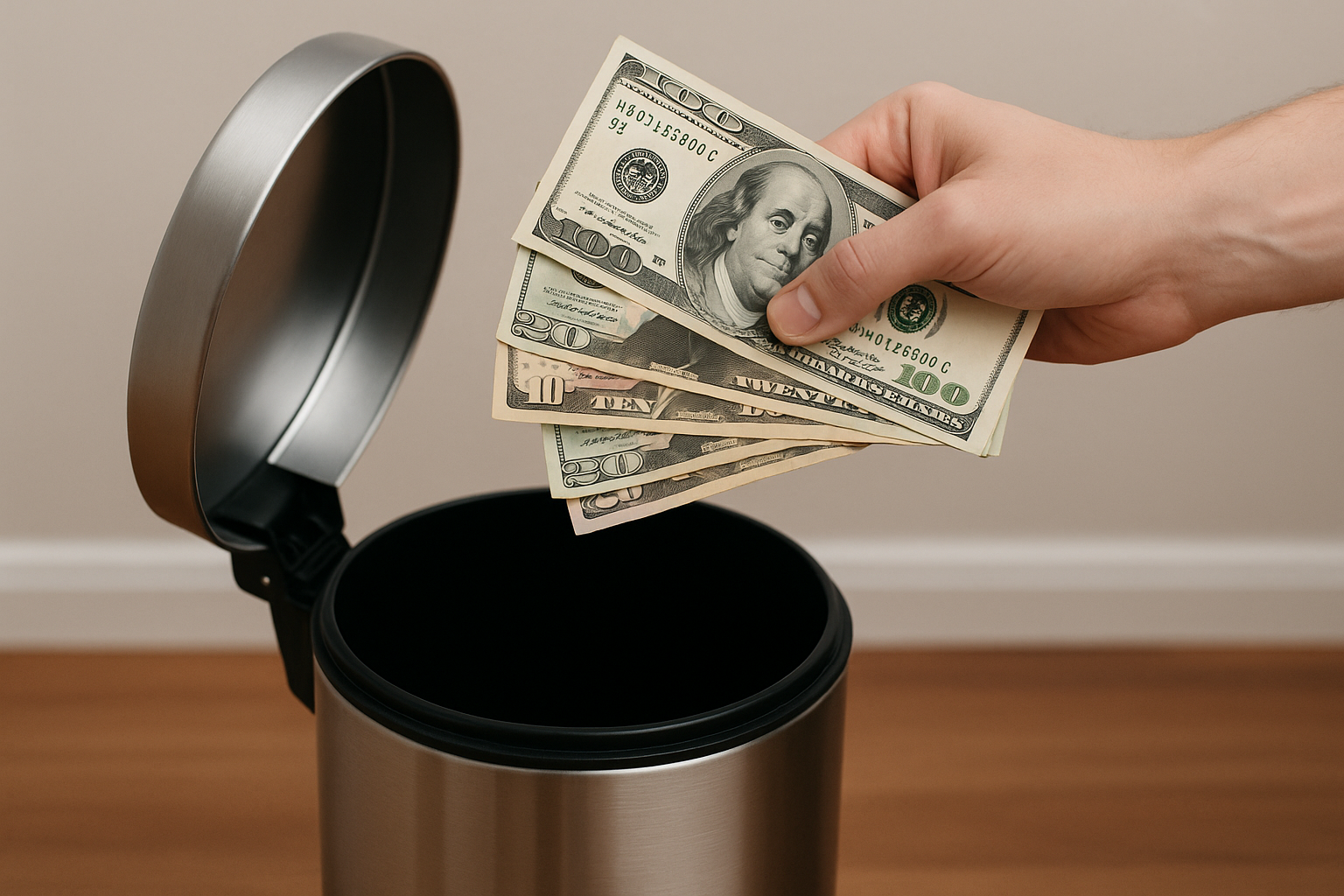
8 Dumbest Things Middle-Class Americans Waste Money On
1. Expensive Coffee Shops
Many middle-class Americans love their daily coffee ritual, but frequenting high-end coffee shops can result in significant expenditures over time. A $5 coffee each day adds up to $1,825 annually. Instead, brewing coffee at home can substantially reduce this cost, potentially saving hundreds each year. According to a 2026 report by the National Coffee Association, 80% of Americans now drink coffee at home, illustrating a growing awareness of this expense.
2. Eating Out Regularly
Dining out is convenient but often far more expensive than cooking at home. A USDA report from 2026 found that the average meal cooked at home costs $4, compared to $13 for dining out. By preparing meals at home, middle-class households can save thousands of dollars annually. Meal planning and cooking in bulk are effective strategies to avoid unnecessary spending on dining out.
3. Unused Gym Memberships
Gym memberships are notorious for being underutilized. A 2026 study by the International Health, Racquet & Sportsclub Association revealed that 67% of gym members rarely use their subscriptions. Instead of wasting money on unused memberships, individuals could adopt free or minimal-cost fitness routines, such as jogging or online workout programs. These alternatives maintain health and wellness without breaking the budget.
4. Subscriptions and Memberships
The convenience of subscription services can lead to unnecessary expenses. Streaming services, subscription boxes, and online memberships are often forgotten expenses that accumulate over time. A 2026 survey by the Consumer Reports found that 42% of consumers underestimate their spend on subscriptions. Regularly auditing and canceling unused subscriptions can recover a substantial amount of wasted resources.
5. Brand-Name Products
The allure of brand-name goods often convinces consumers to spend more than necessary. Generic or store-brand products frequently offer the same quality at a fraction of the price. A 2026 analysis by Consumer Insights indicated that households could save up to 30% on groceries and household products by opting for generics instead of brand names, redirecting those savings toward more critical financial goals.
6. Overstuffed Closets
Clothing purchases can quickly add up, especially when shopping merely for trends or out of habit. A 2026 study by the Bureau of Labor Statistics highlights that the average American spends around $1,883 annually on apparel. By adopting a minimalist approach, focusing on quality over quantity, and taking advantage of thrift stores, middle-class consumers can drastically cut down on clothing expenses.
7. Impulse Buying
Impulse purchases often lead to buyer's remorse and clutter. With the advent of e-commerce and targeted online advertising, it's easier than ever to buy things without considering their necessity. According to 2026 data from the Journal of Market Research, 60% of online shoppers acknowledged making purchases they later regretted. Implementing a 24-hour rule before making new purchases can help curb this habit and keep savings intact.
8. Luxury Vehicle Payments
Owning a luxury car is a significant drain on finances, from purchase price to insurance and maintenance costs. Data from Kelley Blue Book in 2026 shows that while the average new car price is around $48,000, luxury vehicles can exceed $80,000. Opting for a more economical vehicle can save thousands in depreciation and ongoing expenses, redirecting those funds into savings or investments.
Conclusion
While it can be tempting to indulge in conveniences and luxuries, recognizing and rectifying these common financial missteps can greatly influence financial health. Middle-class Americans can considerably improve their financial situations by focusing on essential needs, embracing minimalism, and making mindful purchasing decisions. For further insights and assistance, resources such as Consumer Financial Protection Bureau and CNBC Personal Finance offer valuable advice and up-to-date information.