Top Charities Providing Reliable Relief to Ukraine
With so many organizations asking for support, it's difficult to know where your donation will have the greatest impact in Ukraine. To help you give with confidence, we've vetted the top charities based on their financial transparency, on-the-ground effectiveness, and specific relief efforts.
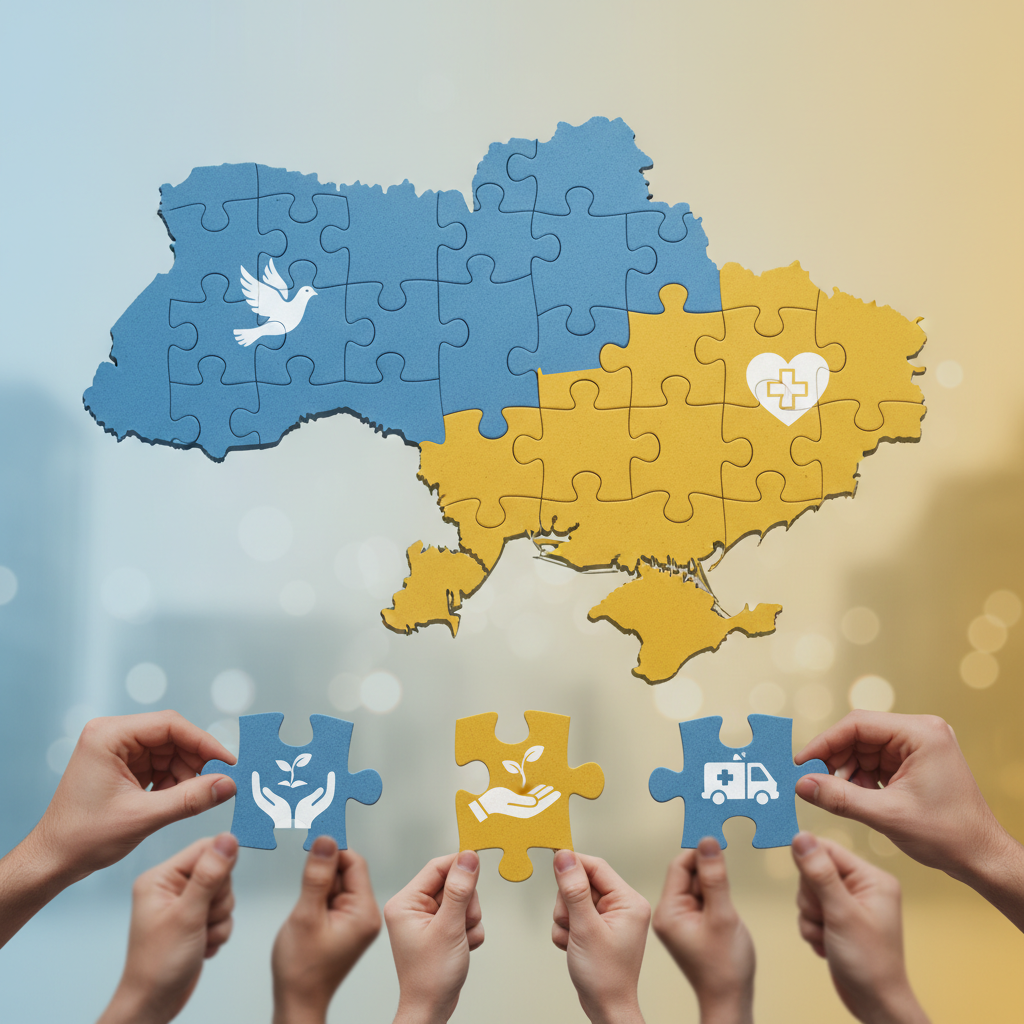
Top-Rated Charities Making a Difference in Ukraine
When looking to support humanitarian efforts in Ukraine, it's crucial to direct funds to organizations that are effective, transparent, and have a proven track record. These charities operate on the ground, delivering critical aid ranging from medical supplies and food to shelter and psychological support. Below are some of the most trusted and impactful organizations providing relief to Ukraine.
1. UNICEF (United Nations Children's Fund)
UNICEF has a long-standing global reputation for its work protecting the world's most vulnerable children, and its response in Ukraine has been extensive. The organization focuses on the unique needs of children and families caught in the conflict. This includes providing access to safe water and sanitation, which is often disrupted during crises, to prevent the spread of disease. They also distribute essential health supplies, offer psychosocial support to help children cope with trauma, and set up "Spilno" child-friendly spaces that provide a sense of normalcy and safety for displaced children.
A significant part of UNICEF's work involves ensuring continuity of education by providing learning supplies and establishing temporary learning centers. Their vast logistical network and partnerships with local governments and NGOs allow them to operate at a massive scale, reaching communities in both government-controlled and non-government-controlled areas. Donating to UNICEF means supporting a well-established system designed to protect children's immediate well-being and long-term future.
2. Doctors Without Borders / Médecins Sans Frontières (MSF)
Doctors Without Borders is renowned for its commitment to providing impartial medical care in conflict zones and countries affected by endemic diseases. In Ukraine, their teams have been instrumental in addressing the urgent medical needs created by the war. They operate mobile clinics to reach people in remote or heavily affected areas who cannot access traditional healthcare facilities. MSF medical staff perform surgeries, treat war-related injuries, and provide care for chronic illnesses that would otherwise go untreated.
Beyond direct patient care, MSF plays a critical role in supporting Ukraine's strained healthcare system. They supply hospitals with essential medicines, surgical equipment, and other medical materials. They also conduct training for Ukrainian doctors and nurses on how to manage mass casualty events and treat specific types of trauma associated with conflict. Their strict neutrality allows them to gain access to areas that might be inaccessible to other organizations, ensuring that medical aid reaches those most in need, regardless of their location.
3. International Committee of the Red Cross (ICRC)
The International Committee of the Red Cross holds a unique mandate under international humanitarian law to protect the lives and dignity of victims of armed conflict. Their work in Ukraine is multifaceted and vital. A primary focus is on protecting civilians by reminding parties to the conflict of their obligations under the Geneva Conventions. On the ground, ICRC teams work tirelessly to deliver essential aid, including food, water, hygiene kits, and shelter materials to families whose homes have been damaged or destroyed.
The ICRC also engages in crucial activities that few other organizations can, such as visiting prisoners of war to monitor their conditions and treatment. Furthermore, they help reconnect family members who have been separated by the conflict, a service that provides immense relief to countless individuals. Their neutral and independent status is fundamental to their ability to operate on all sides of the conflict, making them an essential lifeline for many Ukrainians.
4. Razom for Ukraine
"Razom," which means "together" in Ukrainian, perfectly encapsulates the spirit of this organization. Founded in 2014, Razom for Ukraine is a Ukrainian-American non-profit that has become a powerhouse of support since the full-scale invasion. What makes Razom particularly effective is its deep connection to the needs on the ground in Ukraine and its nimble, volunteer-driven structure. They focus on delivering tactical and specialized aid that is often overlooked by larger organizations but is desperately needed.
Their key projects include procuring and delivering tactical medical supplies for combat medics, such as tourniquets and blood-clotting agents, which save lives on the front lines. They also supply hospitals with advanced medical equipment and provide communication devices like satellite phones and radio systems to keep emergency responders connected. By working directly with a network of trusted partners and volunteers inside Ukraine, Razom ensures that aid is delivered quickly and efficiently to where it will have the greatest impact.
5. United24
For those who want to ensure their donation directly supports the Ukrainian state's efforts, United24 is the ideal platform. Initiated by the President of Ukraine, Volodymyr Zelenskyy, it serves as the main venue for collecting charitable donations in support of the country. This platform offers unparalleled transparency, as the National Bank of Ukraine reports on the funds received every 24 hours, and government ministries provide regular updates on how the donations are being used.
Donors can choose to allocate their funds to one of three main areas: Defense and Demining, Medical Aid, or Rebuild Ukraine. This allows individuals to support the specific cause they care about most, whether it's providing armored ambulances for paramedics, purchasing generators for hospitals, or contributing to the reconstruction of a bridge or school. United24 cuts out intermediaries, ensuring that contributions go directly to the ministries responsible for addressing these critical needs.
6. World Central Kitchen (WCK)
Founded by Chef José Andrés, World Central Kitchen has revolutionized emergency food relief. Instead of relying solely on pre-packaged meals, WCK's model is to provide fresh, hot, and culturally appropriate meals to people in crisis. They achieve this by partnering with local chefs, restaurants, and food trucks in the affected region, which not only feeds people in need but also injects money back into the local economy. Their response in Ukraine was immediate and has been one of the largest food relief operations in modern history.
Within days of the invasion, WCK was serving meals to refugees at border crossings in Poland and has since expanded its operations deep inside Ukraine. Their teams have served hundreds of millions of meals to internally displaced people, families in bomb shelters, and residents of newly liberated towns. Their ability to quickly scale up and adapt to changing conditions on the ground makes them an incredibly effective organization for tackling one of the most fundamental human needs: a comforting plate of food.
7. International Rescue Committee (IRC)
The International Rescue Committee responds to the world's worst humanitarian crises and helps people to survive, recover, and rebuild their lives. Their work in response to the war in Ukraine focuses on both internally displaced people and refugees who have fled to neighboring countries like Poland, Moldova, and Romania. The IRC provides a comprehensive suite of services tailored to the needs of displaced populations, helping them find safety and stability.
This includes providing direct cash assistance, which empowers families to purchase what they need most, from rent and food to medicine. The IRC also sets up safe healing and learning spaces for children, offers legal counseling to help people navigate their new circumstances, and provides crucial support for women and girls, including protection from gender-based violence. Their holistic approach addresses not just immediate survival needs but also the long-term challenges of displacement and recovery.
Understanding the Humanitarian Crisis in Ukraine
The need for charitable support in Ukraine is driven by a humanitarian crisis of immense scale. Since the full-scale invasion began, millions of people have been forced to flee their homes, creating one of the largest and fastest displacement crises in recent history. A significant portion of these individuals are internally displaced within Ukraine, while millions more have sought refuge in neighboring countries. These families often leave with little more than what they can carry, facing an uncertain future without a home, job, or community.
The conflict has also caused widespread destruction of civilian infrastructure. Hospitals, schools, residential buildings, and power plants have been damaged or destroyed, severely disrupting access to essential services like healthcare, education, clean water, and electricity. This destruction not only creates immediate danger but also poses long-term challenges to recovery. The strain on the remaining functional systems is enormous, and humanitarian aid is critical to fill the gaps and support the resilience of the Ukrainian people.
Important Questions About Donating to Ukraine
How Can I Verify a Charity is Legitimate?
With any major crisis, it's wise to be cautious and ensure your donation is going to a reputable organization. The best first step is to use independent charity evaluators. Websites like Charity Navigator, Guidestar, and CharityWatch provide in-depth ratings and analyses of non-profits' financial health, accountability, and transparency. These platforms show you what percentage of a charity's budget goes directly to its programs versus administrative overhead.
Another key step is to check for a charity's official registration status. In the United States, this typically means confirming they are a registered 501(c)(3) organization, which makes your donation tax-deductible. You should also look for transparency on the charity's own website. A trustworthy organization will readily provide access to its annual reports and financial statements. Be wary of unsolicited emails or social media messages asking for donations, and always donate directly through the charity's official website or a trusted fundraising platform.
What Kind of Aid is Most Needed?
While the instinct to donate physical goods like clothing, food, or toys is understandable, most major relief organizations overwhelmingly prefer monetary donations. Cash is more efficient, flexible, and effective. Donating money allows charities on the ground to purchase exactly what is needed most at any given time, avoiding the logistical challenges and high costs associated with shipping, sorting, and distributing physical items. It also allows them to buy goods locally, which supports the economy of the affected region.
The specific types of aid being funded by these monetary donations are diverse. Medical supplies, including trauma kits, surgical equipment, and medicines, are in constant demand. Food and clean water are fundamental needs for displaced populations. Support for shelter, whether through repairing damaged homes or providing temporary housing, is another critical area. Furthermore, funds are used for less visible but equally vital services, such as psychosocial support to help people cope with trauma, cash assistance programs for displaced families, and long-term reconstruction efforts.
Conclusion
Supporting the people of Ukraine through charitable donations is a powerful way to make a difference. By choosing well-established, transparent, and effective organizations, you can ensure your contribution provides meaningful relief. Charities like UNICEF, Doctors Without Borders, the ICRC, Razom for Ukraine, and others are on the front lines, delivering life-saving aid every day. Performing due diligence and understanding the specific needs on the ground helps maximize the impact of every dollar, providing hope and tangible support to those affected by the conflict.