Top Energy-Draining Gadgets in Your Living Room You Need to Know About
Discover which living room devices could be driving up your energy bills. While some gadgets are known culprits, you might be surprised by the power consumption of others. Learn how living room devices impact your electricity usage and explore simple tips to reduce waste without sacrificing comfort.
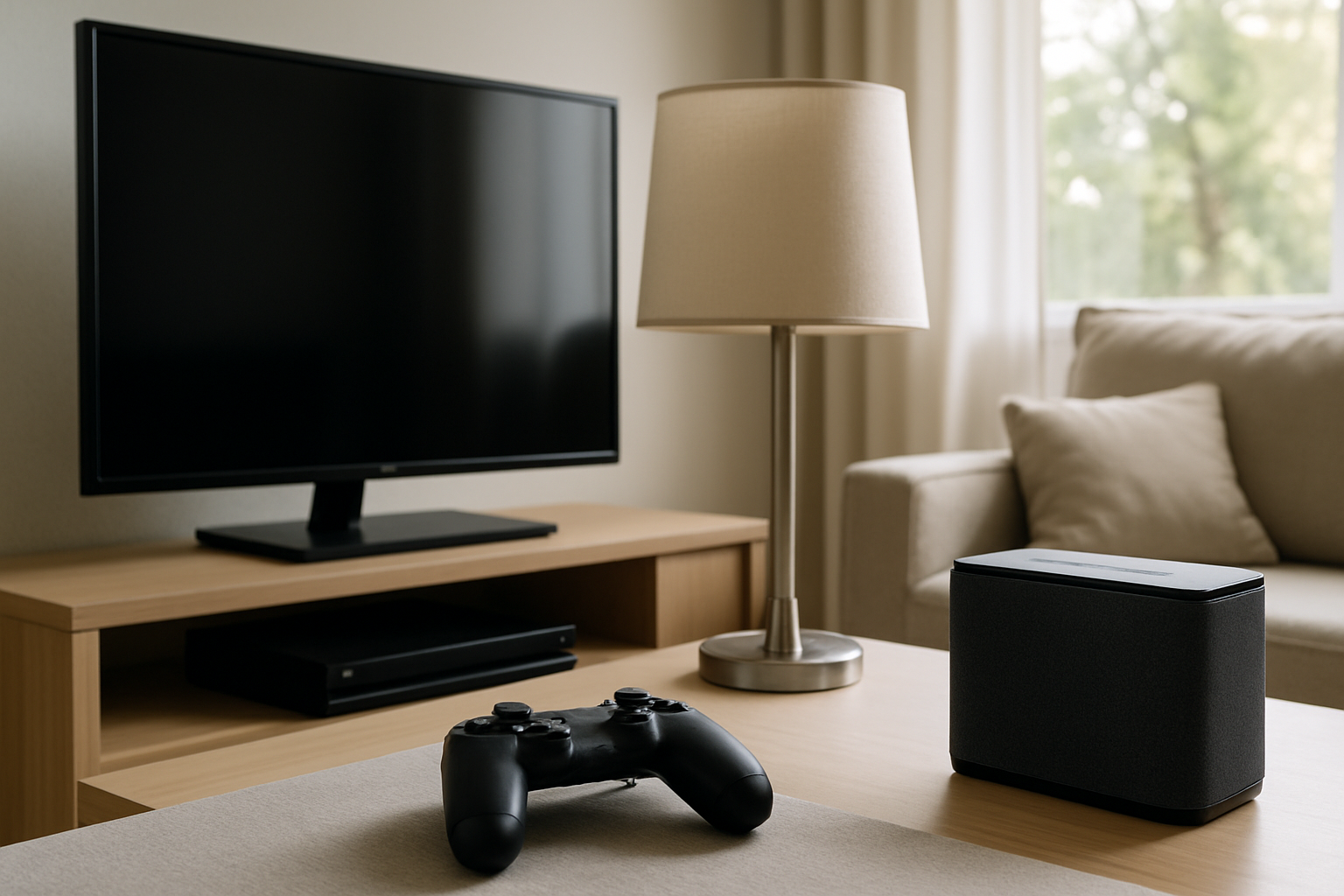
Identifying Power-Hungry Devices in Your Living Room
In today's digital age, living rooms are often filled with a variety of devices designed to enhance comfort and entertainment. However, some of these devices can be significant power drains, leading to increased electricity bills and a larger carbon footprint. Understanding which devices consume the most energy can help you make more informed decisions about usage, potentially saving you money and contributing to environmental sustainability.
Televisions: The Centerpiece Power User
Televisions have evolved significantly over the years, with today's models boasting large screens and ultra-high-definition displays. While they provide stunning picture quality, these features can also contribute to higher electricity consumption. According to a 2026 report by the U.S. Department of Energy, televisions account for approximately 10% of a household's energy use. Larger screens and brighter settings consume more power, and leaving your TV on standby can also lead to continuous energy drain.
- Action Tip: Consider reducing the screen brightness and enabling power-saving modes when available.
- Action Tip: Turn off the TV completely when not in use, rather than leaving it on standby.
Game Consoles: The Entertainment Energy Hog
Game consoles are a staple in many living rooms. However, they often surprise users with their power consumption, especially when left on for extended periods or used for streaming services. A study from the Natural Resources Defense Council found that game consoles can consume as much energy as a refrigerator, particularly when left in idle mode. Gaming enthusiasts should be mindful of energy use, primarily when consoles are used for purposes other than gaming.
- Action Tip: Set consoles to automatically power down after a period of inactivity.
- Action Tip: Use the console’s energy-saving settings when available, and turn it off completely when not in use.
Home Theater Systems: Immersive Audio, Intensive Energy
Home theater systems, including surround sound and subwoofers, provide a cinematic experience at home. However, these systems can also be significant energy consumers, especially when used at high volume levels or with additional components like amplifiers. According to Energy Star, using energy-efficient models can drastically reduce consumption, yet many households still operate older or less efficient systems out of preference or convenience.
- Action Tip: Invest in an Energy Star-certified audio system to cut energy usage.
- Action Tip: Turn off the system when not in use instead of leaving it in standby mode.
Understanding Standby Power Consumption
Standby power, also known as phantom load, refers to the energy consumed by devices even when they are turned off but still plugged in. This type of consumption can account for up to 5-10% of the total residential energy use, according to a 2026 report by the International Energy Agency. Devices with clocks or timers, like DVD players or cable boxes, tend to consume more standby power.
- Action Tip: Use power strips with on/off switches to completely disconnect devices from power when not in use.
- Action Tip: Unplug rarely used devices to prevent unnecessary power consumption.
Smart Home Devices: Boon or Bane?
With the growing popularity of smart home technology, many living rooms now feature smart speakers, smart plugs, and smart lighting systems. While these devices offer convenience and can be energy efficient, they also add to the overall power load. For instance, a 2026 study [by Statista](https://www.statista.com/) highlights that while smart technology can reduce energy use through automation, the devices themselves, especially older models, can add to power usage if not managed correctly.
- Action Tip: Perform regular energy audits of your smart devices to ensure they are operating at optimal efficiency.
- Action Tip: Schedule devices to turn off during periods of inactivity to minimize unnecessary power use.
Adopting Energy-Saving Practices
Adopting energy-saving practices in your living room isn't just about cutting costs — it's also a step towards a more sustainable lifestyle. Simple changes, like implementing a regular shutdown protocol for electronic devices or investing in newer, more energy-efficient technologies, can have significant impacts. Updating your habits in line with current recommendations can reduce your energy footprint and contribute to a broader effort of conscious consumption.
Conclusion: Living Green Starts at Home
Understanding the power demands of your living room devices and making informed choices can lead to significant energy savings and an enhanced awareness of personal energy consumption. By taking proactive steps to manage and reduce the energy usage of devices that waste the most power, you can enjoy a more eco-friendly lifestyle and contribute to global efforts to conserve energy. Remember, every small change counts, and it all starts with awareness and action at home.