Top Essential Smart Home Devices You Need and Their Benefits
Explore the world of smart home devices with our indepth guide. Discover which smart home devices are essential for enhancing comfort and efficiency in your living space. Learn how integrating technology can transform daily routines without overpromising results.
Understanding the Importance of Smart Home Devices
In an era where technology seamlessly integrates into our daily lives, smart home devices stand out as game-changers. These devices not only elevate the convenience of our living spaces but also enhance security, energy efficiency, and overall home management. With the global smart home market projected to grow by 20% annually in 2026, understanding the must-have devices for your home becomes essential.
What Are Smart Home Devices?
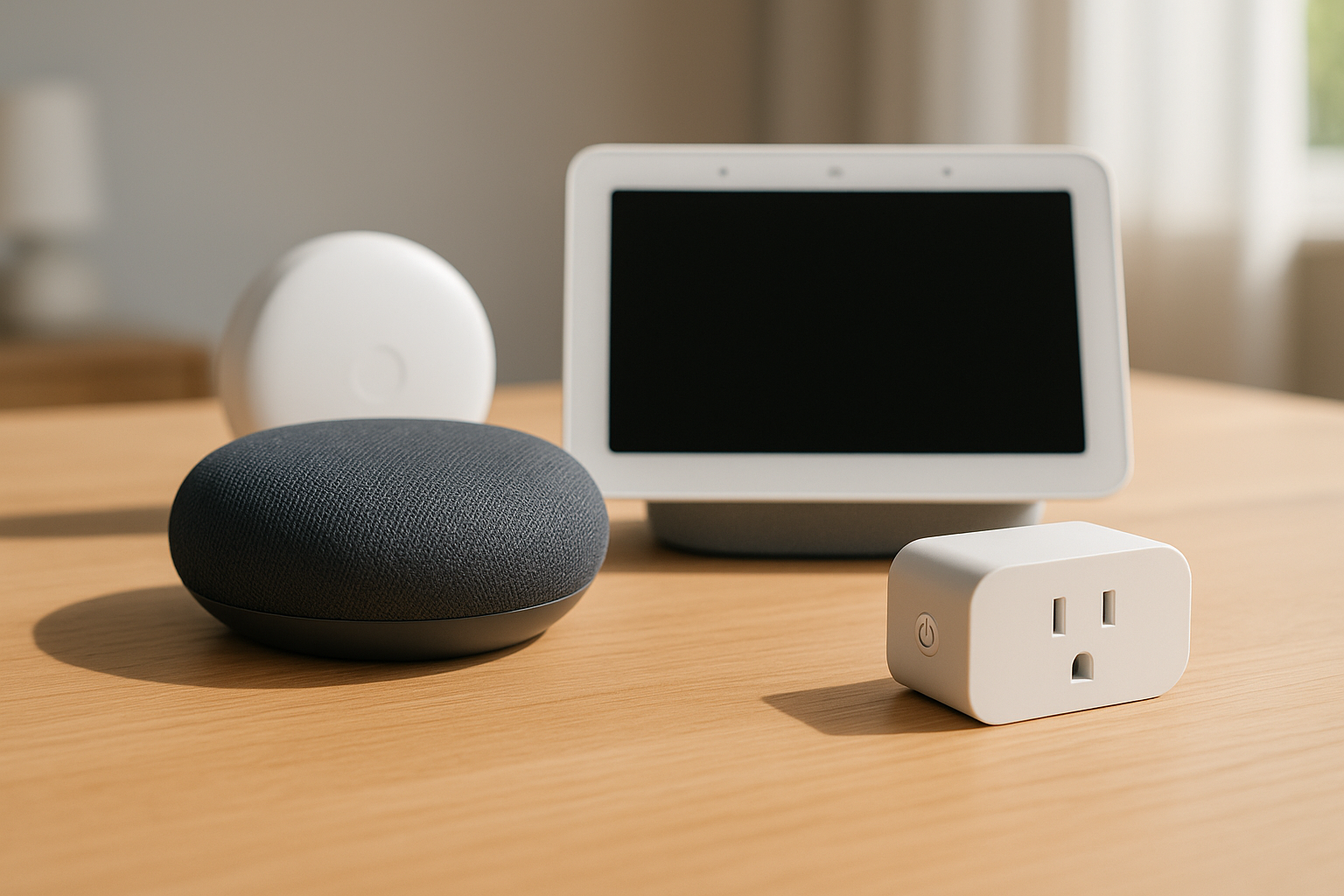
Smart home devices are electronic gadgets that are connected to the internet and can be controlled remotely using a smartphone, tablet, or smart speaker. They are designed to automate tasks, monitor and manage different areas of your home, and provide valuable data insights. As they become more accessible and affordable, these devices have found their way into millions of households worldwide.
Must-Have Smart Home Devices and Their Benefits
When considering which smart home devices to incorporate into your living space, it's essential to evaluate their usefulness and how they align with your lifestyle priorities. Below are some of the top smart home devices widely deemed essential by tech enthusiasts and homeowners alike.
1. Smart Speakers
Smart speakers, such as the Amazon Echo or Google Nest Audio, serve as the hub of many smart homes. They respond to voice commands, play music, provide weather updates, and control other smart devices.
- Benefits: Hands-free control, ability to manage multiple devices using voice, and integration with digital assistants like Alexa or Google Assistant.
- Example: You can ask your smart speaker to play your favorite playlist while preparing dinner or to turn off the lights when going to bed.
2. Smart Thermostats
Smart thermostats, such as the Nest Learning Thermostat, not only regulate the temperature in your home but also learn your preferences and optimize energy usage.
- Benefits: Energy savings, remote temperature control, and detailed usage insights.
- Example: A smart thermostat can adjust the heating when you're not home, helping you save money on utility bills.
3. Smart Security Systems
With advancements in technology, smart security systems have become more sophisticated and reliable. These systems often include cameras, motion detectors, and smart locks.
- Benefits: Enhanced security, 24/7 monitoring, and the ability to check your home remotely from anywhere.
- Example: A smart security system can alert you to any unusual activity while you're on vacation, giving you peace of mind.
4. Smart Lighting
Smart lighting systems, such as Philips Hue, offer the ability to control your lighting remotely, set schedules, and create mood-enhancing scenes.
- Benefits: Energy efficiency, convenience, and customizability.
- Example: Program your lights to gradually brighten in the morning, simulating a natural sunrise to start your day.
5. Smart Plugs
Smart plugs can turn almost any appliance into a smart device. By connecting them to the internet, you can remotely control the plugged-in devices.
- Benefits: Automation of everyday devices, energy management, and convenience.
- Example: You can set a timer for your coffee maker to start brewing your morning coffee automatically.
How to Choose the Right Smart Home Devices
Selecting the right smart home devices involves consideration of several factors that align with your specific needs and lifestyle.
Evaluate Compatibility
Ensure that the smart devices you choose are compatible with each other and your existing home network. Many devices require a specific ecosystem, so confirming compatibility is crucial for seamless integration.
Consider Energy Efficiency
Devices that offer energy-saving features can help reduce your household's energy consumption. Look for products certified by credible energy efficiency programs to ensure they meet standards for both performance and energy use.
Security and Privacy
Since smart devices are connected to the internet, security and privacy should be top priorities. Opt for devices from reputable brands that guarantee data protection and offer robust security updates.
Budget and Value
Consider your budget and evaluate the long-term value of the devices. While some smart home gadgets may require an initial investment, their ability to save time and energy can offer excellent returns in the long run.
Future Trends in Smart Home Technology
As we move further into 2026, the smart home landscape continues to evolve with emerging trends that promise to reshape how we interact with our living spaces.
Integration with AI and Machine Learning
Smart home devices are increasingly leveraging artificial intelligence to learn user behaviors and preferences, offering personalized experiences and heightened efficiency.
Focus on Sustainability
Sustainability is becoming a core focus, with smart devices designed to minimize energy consumption and help homes become greener.
Interconnectivity and Interoperability
The future of smart home technology is moving towards an interconnected ecosystem, where devices from different manufacturers work seamlessly together.
By staying informed and choosing the right devices, you can create a smarter, more efficient, and secure home environment. As with any technology, the key is to remain aware of the latest innovations and trends in the smart home industry.