Top Foods for Naturally Lowering Cholesterol: A Safer Approach
Discover a variety of top foods that can naturally lower cholesterol and support heart health. While individual results may vary, incorporating these foods into your diet might contribute to better cholesterol levels.
Understanding Cholesterol: The Basics
Cholesterol is a waxy substance found in your blood, essential for building healthy cells. However, having high levels of cholesterol can increase your risk of heart disease. The key is to maintain a healthy balance. Before diving into how to lower cholesterol without medication, it's important to grasp the fundamental types of cholesterol:
- LDL (Low-Density Lipoprotein): Often referred to as "bad" cholesterol, high levels of LDL can lead to fatty buildups in your arteries, increasing heart disease risks.
- HDL (High-Density Lipoprotein): Known as "good" cholesterol, HDL helps remove other forms of cholesterol from your bloodstream.
Dietary Patterns that Lower Cholesterol
Many people can manage cholesterol levels through dietary changes. Here are some effective strategies and the science behind them:
Emphasize Plant-Based Foods
Diets rich in vegetables, fruits, and whole grains can reduce LDL cholesterol. A 2026 study published in the Journal of Nutritional Science found that participants who increased their intake of plant-based foods had a significant decrease in LDL levels after just three months.
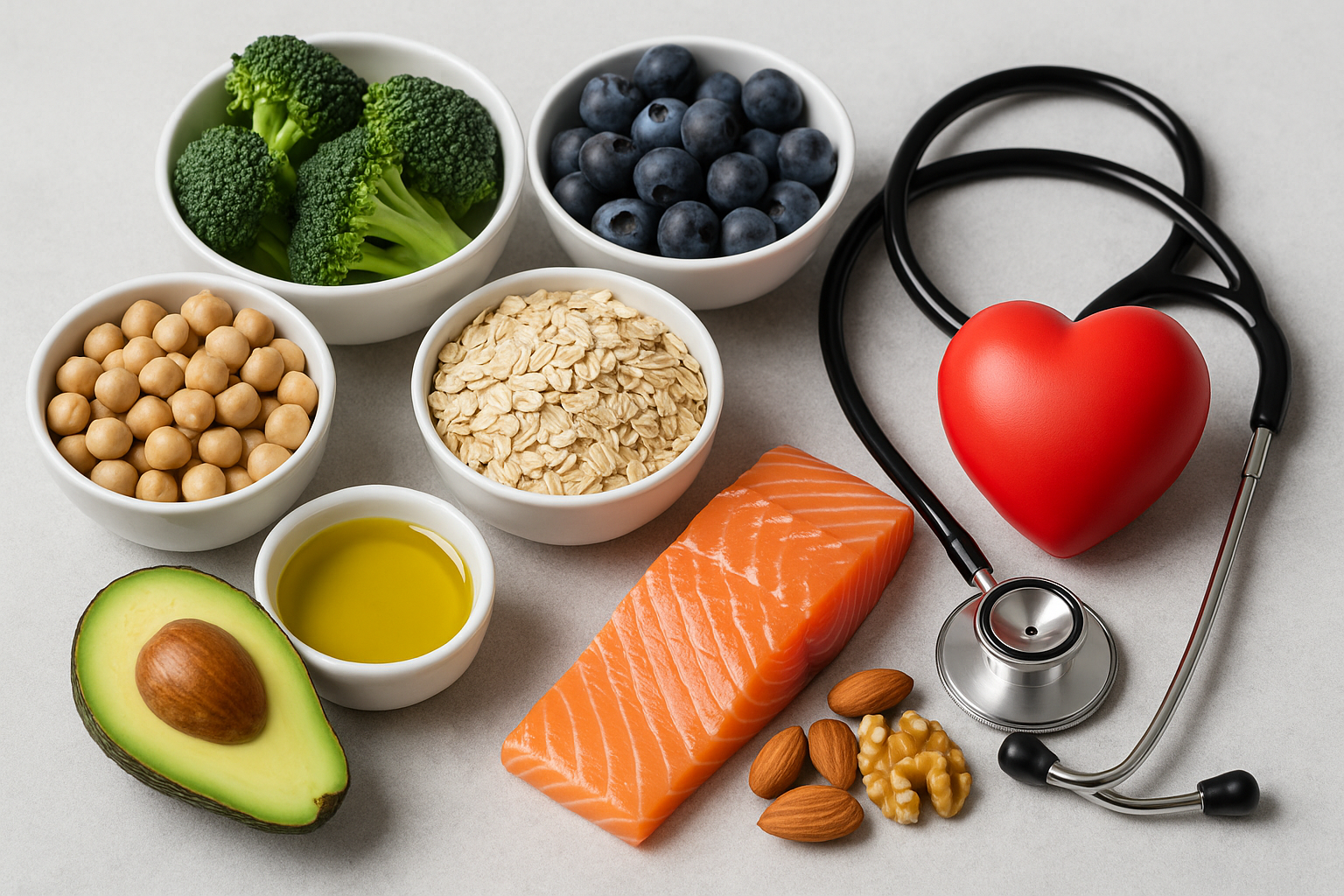
- Soluble Fiber: Foods like oats, beans, lentils, apples, and pears help lower cholesterol by binding to it in the digestive system and removing it from the body.
- Plant Sterols and Stanols: Naturally occurring substances found in plants, these can help block cholesterol absorption. Nuts, seeds, and legumes are good sources.
Incorporate Healthy Fats
Replacing saturated and trans fats with healthier fats can help lower cholesterol levels:
- Omega-3 Fatty Acids: Found in fatty fish like salmon, mackerel, and sardines, these are known to improve heart health by lowering triglyceride levels.
- Monounsaturated Fats: Olive oil, avocados, and certain nuts (such as almonds and walnuts) are excellent choices for improving cholesterol balance.
Specific Foods Known to Lower Cholesterol
Several foods are particularly effective in lowering cholesterol naturally. Here are some examples with explanations:
Oats and Barley
Both oats and barley are high in beta-glucans, a type of soluble fiber that has been extensively researched for its cholesterol-lowering effects. A 2026 meta-analysis outlined in Food & Function pointed to a clear connection between beta-glucan intake and reduced LDL levels.
Nuts: Nature's Tiny Powerhouses
Almonds, walnuts, and similar nuts can have profound effects on cholesterol levels. Consuming just a handful every day is linked to a reduced risk of heart disease, likely due to their nutrient profile that includes healthy fats, fiber, and essential vitamins.
Fruits and Berries
Fruits such as berries, oranges, and grapes are full of soluble fiber and antioxidants. They not only support heart health but also help reduce cholesterol levels by disrupting the production and absorption in the gut.
Dark Chocolate
In moderation, dark chocolate can be beneficial. It contains flavonoids that improve cholesterol levels while also offering antioxidant properties. Be sure to choose chocolates with at least 70% cocoa content.
Healthy Lifestyle Choices to Complement Your Diet
Beyond diet, adopting certain lifestyle changes can significantly impact cholesterol levels. Here are key recommendations:
Regular Physical Activity
Engaging in at least 150 minutes of moderate-intensity exercise each week can enhance heart health by boosting HDL cholesterol and lowering LDL cholesterol.
Quit Smoking
Giving up smoking improves HDL cholesterol levels and benefits heart health in myriad ways, reducing your risk of cardiovascular disease overall.
Conclusion: A Holistic Approach
Learning more about the foods that can naturally lower cholesterol without medication is a valuable step towards better heart health. By focusing on a balanced diet rich in whole, nutrient-dense foods and maintaining a healthy lifestyle, you can effectively manage your cholesterol levels. Remember to consult healthcare professionals before making significant diet or lifestyle changes.