Top Foods To Enhance Wellness After Turning 40
Hitting 40 is a major milestone, and it's also when your body’s nutritional needs begin to shift in important ways. To help you feel strong and energized, we're focusing on the key foods that support a changing metabolism, protect your heart, and maintain bone density.
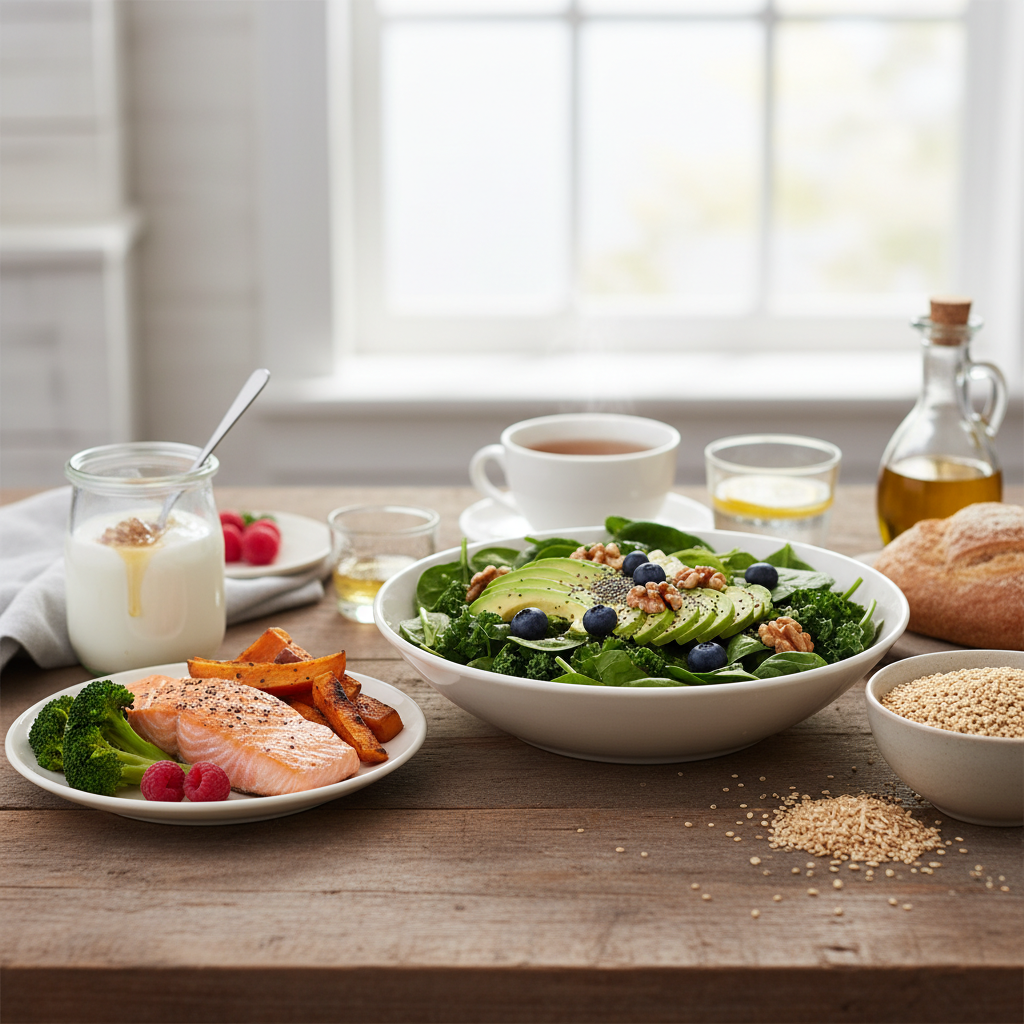
Essential Foods to Embrace in Your Diet After 40
As we navigate life beyond the age of 40, our bodies undergo significant changes. Metabolism begins to slow down, hormonal shifts occur, and maintaining muscle mass and bone density becomes more of a challenge. While we can't stop time, we can certainly support our bodies through these transitions with smart nutritional choices. Incorporating specific, nutrient-dense foods into your daily diet can play a pivotal role in promoting long-term health, managing weight, and boosting energy levels. The focus shifts from simply eating to strategically nourishing your body for the decades ahead.
Making conscious dietary adjustments doesn't have to be about restriction; rather, it's about inclusion. By adding a variety of powerful foods, you can protect your heart, strengthen your bones, support brain function, and fight inflammation. Here’s a look at some of the best foods to include in your diet to help you thrive after 40.
1. Fatty Fish
Fatty fish like salmon, mackerel, herring, and sardines are packed with omega-3 fatty acids, particularly EPA and DHA. These healthy fats are superstars for health after 40. They are renowned for their anti-inflammatory properties, which can help reduce the risk of chronic diseases such as heart disease and arthritis. Omega-3s are also crucial for brain health, helping to preserve cognitive function and potentially lowering the risk of age-related mental decline. Heart health is another major benefit, as these fatty acids can help lower blood pressure, reduce triglycerides, and prevent the buildup of plaque in the arteries.
Aiming for at least two servings of fatty fish per week can provide a significant dose of these essential nutrients. Beyond omega-3s, fish is an excellent source of high-quality lean protein, which is vital for maintaining muscle mass—a key concern as we age. It also provides vitamin D, a nutrient many people are deficient in, which works alongside calcium to support strong bones.
2. Leafy Greens
Dark leafy greens such as spinach, kale, collard greens, and Swiss chard are nutritional powerhouses. They are exceptionally low in calories but loaded with vitamins, minerals, and fiber. They are particularly rich in vitamin K, which is essential for bone health as it helps the body utilize calcium effectively. These greens also provide a good amount of calcium, magnesium, and potassium, all of which contribute to maintaining healthy blood pressure levels and bone density.
Furthermore, leafy greens are filled with antioxidants like lutein and zeaxanthin, which are known to protect the eyes from damage and may reduce the risk of age-related macular degeneration and cataracts. The high fiber content aids in digestion, promotes a feeling of fullness to help with weight management, and supports stable blood sugar levels.
3. Berries
Berries, including blueberries, strawberries, raspberries, and blackberries, are bursting with flavor and potent antioxidants called anthocyanins. These compounds are responsible for their vibrant colors and offer powerful protection against oxidative stress and inflammation, two key drivers of aging and chronic disease. Regular consumption of berries has been linked to improved brain health, helping to delay cognitive decline and enhance memory.
These small fruits are also high in fiber and vitamin C. Fiber is crucial for a healthy digestive system and can help manage weight by promoting satiety. Vitamin C is not only a powerful antioxidant but is also essential for skin health, as it plays a vital role in collagen production, helping to maintain skin elasticity and reduce the appearance of wrinkles.
4. Nuts and Seeds
Walnuts, almonds, chia seeds, and flaxseeds are excellent sources of healthy fats, fiber, and protein. They make for a satisfying snack that can help curb hunger and prevent overeating. Almonds are rich in vitamin E, an antioxidant that supports skin health, while walnuts are one of the best plant-based sources of omega-3 fatty acids, benefiting both heart and brain health. Many nuts are also high in magnesium, a mineral that is crucial for regulating blood sugar and blood pressure.
Seeds like chia and flax are particularly noteworthy. Flaxseeds are a top source of lignans, plant compounds that have antioxidant properties and may help balance hormones. Chia seeds are incredibly high in fiber and can absorb many times their weight in water, helping you stay hydrated and full. Incorporating a small handful of mixed nuts and seeds into your daily diet is a simple way to boost your intake of essential nutrients.
5. Whole Grains
Swapping refined grains for whole grains like oats, quinoa, brown rice, and barley is a smart move for anyone over 40. Whole grains are rich in B vitamins, which are crucial for energy production and brain function. More importantly, they are an excellent source of dietary fiber. This fiber helps regulate blood sugar levels, lowers cholesterol, and supports a healthy digestive system. A diet rich in whole grains has been consistently linked to a lower risk of heart disease, type 2 diabetes, and certain types of cancer.
The complex carbohydrates in whole grains provide a steady release of energy, preventing the energy spikes and crashes associated with sugary, refined carbs. This can help with sustained energy throughout the day and better weight management. Quinoa is a standout as it's a complete protein, containing all nine essential amino acids.
6. Legumes
Beans, lentils, and chickpeas are some of the most underrated superfoods. Legumes are an incredible source of plant-based protein and are packed with soluble fiber. This type of fiber is particularly effective at lowering LDL ("bad") cholesterol levels. The combination of protein and fiber makes legumes very filling, which can aid in weight control by reducing overall calorie intake. They are also low on the glycemic index, meaning they have a minimal impact on blood sugar levels.
In addition to protein and fiber, legumes are rich in essential minerals like iron, magnesium, potassium, and folate. These nutrients support everything from energy metabolism to cardiovascular health. Including legumes in your meals a few times a week, whether in soups, salads, or as a side dish, is an affordable and effective way to boost your nutrient intake.
7. Greek Yogurt
As we age, protecting bone density becomes paramount, making calcium-rich foods essential. Greek yogurt is an excellent source of calcium, and it often contains more protein than regular yogurt. The protein is crucial for combating sarcopenia, the age-related loss of muscle mass and strength. A single serving can provide a significant portion of your daily protein needs, helping to preserve lean body mass.
Beyond its protein and calcium content, Greek yogurt is a great source of probiotics. These beneficial bacteria support a healthy gut microbiome, which is linked to improved digestion, a stronger immune system, and even better mental health. When choosing a yogurt, opt for plain, unsweetened varieties to avoid the added sugars found in flavored versions, and add your own fresh fruit for natural sweetness.
8. Olive Oil
Extra virgin olive oil is a cornerstone of the heart-healthy Mediterranean diet. It's rich in monounsaturated fats, which can help lower bad cholesterol (LDL) and raise good cholesterol (HDL). Its primary benefit, however, comes from its powerful antioxidants, particularly oleocanthal, which has anti-inflammatory effects similar to ibuprofen. Chronic inflammation is a root cause of many age-related diseases, and incorporating olive oil can help combat this process.
Using olive oil as your primary cooking fat or as a base for salad dressings is an easy way to reap its benefits. It helps the body absorb fat-soluble vitamins (A, D, E, and K) from other foods, making your meals even more nutritious. Look for "extra virgin" on the label, as this indicates it is the least processed and contains the highest level of antioxidants.
9. Cruciferous Vegetables
Vegetables like broccoli, cauliflower, Brussels sprouts, and cabbage belong to the cruciferous family. They are renowned for their high fiber content and rich supply of vitamins C and K. What truly sets them apart, however, are their sulfur-containing compounds, such as sulforaphane. These compounds have been studied for their potential to support the body's natural detoxification processes and may offer protection against certain types of diseases.
The high fiber in these vegetables promotes digestive health and helps you feel full, which is beneficial for weight management. Roasting, steaming, or stir-frying these vegetables can make them easier to digest and brings out their natural sweetness, making them a delicious and valuable addition to any meal.
10. Lean Protein
Maintaining muscle mass is a top priority after 40, and adequate protein intake is non-negotiable. While sources like fish and legumes are excellent, it's also important to include other lean protein sources like chicken breast, turkey, and eggs. Protein provides the building blocks for muscle repair and growth, supports a healthy metabolism, and contributes to feelings of fullness, which helps prevent overeating and snacking on less healthy options.
Spreading your protein intake throughout the day is more effective than consuming it all in one large meal. Aim to include a source of lean protein with every meal to keep your energy levels stable and support your body's needs. Eggs, in particular, are a fantastic choice as they also provide choline, a nutrient that is vital for brain health and memory.
Understanding Your Body's Changing Nutritional Needs After 40
The reason these specific foods become so important after 40 is directly related to the physiological shifts that occur with age. One of the most significant changes is a natural decline in metabolic rate. As we get older, our bodies require fewer calories to maintain the same weight. This is often compounded by a decrease in physical activity and a gradual loss of muscle tissue, as muscle burns more calories at rest than fat does. This combination makes it easier to gain weight, particularly around the midsection, which is a risk factor for cardiovascular disease and type 2 diabetes. Therefore, a focus on nutrient-dense, lower-calorie foods becomes crucial.
Hormonal changes also play a major role. For women, perimenopause and menopause lead to a drop in estrogen, which is linked to a decrease in bone density, increasing the risk of osteoporosis. This is why calcium and vitamin D intake becomes so critical. For men, testosterone levels begin a gradual decline, which can contribute to a loss of muscle mass and strength, a condition known as sarcopenia. Prioritizing high-quality protein is the primary dietary strategy to counteract this muscle loss. Both men and women can experience changes in how their bodies process sugar, making it more important to manage carbohydrate intake and focus on high-fiber foods to maintain stable blood sugar levels.
Common Questions About Nutrition and Aging
What about supplements? Are they necessary after 40?
While a food-first approach is always recommended, some supplements may be beneficial after 40, especially for nutrients that are difficult to obtain in sufficient amounts from diet alone. Vitamin D is a prime example; our skin becomes less efficient at producing it from sunlight as we age, and it's essential for calcium absorption and bone health. Many healthcare professionals recommend supplementation, particularly for those living in northern latitudes.
Calcium is another common supplement, especially for postmenopausal women who are at higher risk for osteoporosis. However, it's best to get calcium from food sources like dairy, leafy greens, and fortified foods first. Omega-3 fatty acid supplements can be helpful for individuals who do not regularly eat fatty fish. Ultimately, the need for supplements is highly individual. It is always best to consult with a doctor or registered dietitian who can assess your specific needs through blood tests and a dietary review before you start taking any new supplements.
How important is hydration as you age?
Hydration becomes increasingly important as we get older. The body's ability to conserve water decreases, and our sense of thirst can become less acute, meaning we might not realize we're dehydrated until we're already experiencing symptoms. Dehydration can lead to fatigue, confusion, dizziness, and constipation. It can also affect kidney function and joint health, as water is essential for lubricating joints.
Proper hydration is vital for maintaining a healthy metabolism and helps the body absorb the nutrients from the foods you eat. Aiming for around eight glasses of water per day is a good general guideline, but this can vary based on activity level and climate. Water-rich foods like fruits and vegetables, as well as beverages like herbal tea, can also contribute to your total fluid intake.
Are there any foods I should actively avoid or limit after 40?
Just as important as what you add to your diet is what you choose to limit. After 40, it's wise to reduce your intake of highly processed foods, which are often high in sodium, unhealthy fats, and added sugars. Excess sodium can contribute to high blood pressure, while unhealthy trans and saturated fats can negatively impact cholesterol levels. Foods and beverages high in added sugar provide empty calories that can lead to weight gain and disrupt blood sugar control.
Limiting alcohol is also a good idea. The body's ability to metabolize alcohol can decrease with age, and excessive consumption can interfere with sleep, contribute to weight gain, and negatively affect liver health. The focus should be on a diet rich in whole, unprocessed foods, with treats and processed items consumed in moderation.
A Final Word on Eating Well After 40
Navigating your health after 40 is about making sustainable, positive choices rather than adopting a restrictive mindset. By focusing on a diet rich in a variety of nutrient-dense foods—including fatty fish, leafy greens, berries, legumes, and whole grains—you provide your body with the tools it needs to age gracefully and healthily. These foods work together to fight inflammation, support bone and muscle health, protect your heart and brain, and maintain a healthy weight. Combining this mindful approach to eating with regular physical activity and adequate rest is the most effective strategy for feeling your best for years to come.