Top Foods to Steer Clear of for Colitis and Diverticulitis Relief
Navigating your diet with colitis or diverticulitis can feel overwhelming, especially when trying to pinpoint which foods trigger a painful flare-up. To make it easier, we're breaking down the key food groups to avoid—from high-fiber culprits and spicy foods to specific types of fats and dairy.
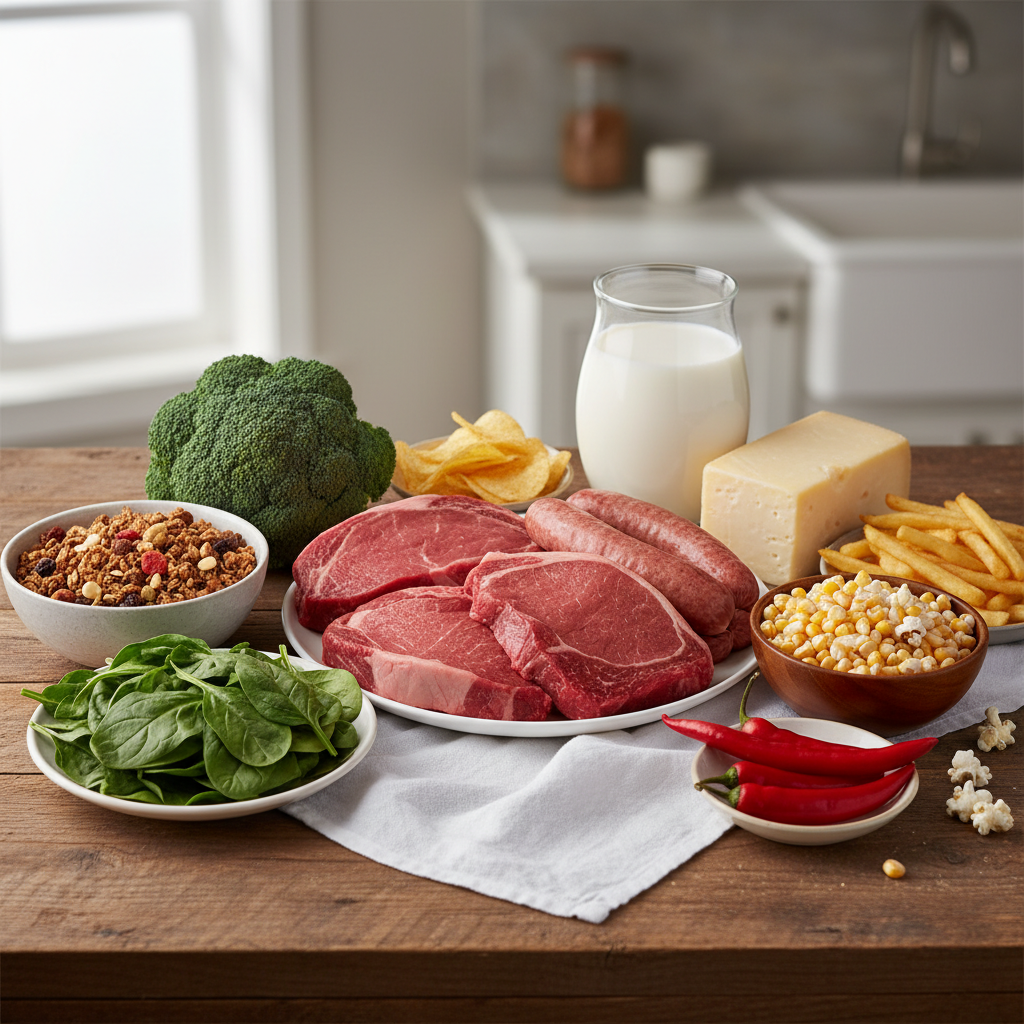
Foods To Avoid For Colitis And Diverticulitis
Managing digestive conditions like colitis and diverticulitis often involves careful attention to diet, especially during a flare-up. The primary goal of a "flare-up diet" is to reduce stress on the colon, minimize inflammation, and alleviate symptoms like pain, cramping, and diarrhea. While individual tolerances can vary significantly, certain food groups are commonly identified as potential triggers that can worsen symptoms. Understanding which foods to limit can be a crucial step in managing these conditions effectively.
It's important to note that dietary recommendations can change depending on whether you are in a flare-up or in remission. The following guidance generally applies to periods when symptoms are active. Always consult with a healthcare professional or a registered dietitian before making significant changes to your diet.
Key Food Categories to Limit During Flare-Ups
During an active flare of either colitis or diverticulitis, the digestive system is inflamed and sensitive. The focus shifts to foods that are easy to digest and less likely to cause further irritation. Here are some of the main food categories often suggested for avoidance.
High-Fiber Foods
While fiber is typically celebrated for its health benefits, it can be problematic during a flare-up. Insoluble fiber, found in foods like whole wheat bread, brown rice, raw vegetables, and fruits with skins, adds bulk to the stool. When the colon is inflamed, this extra bulk can increase pain, cramping, and frequency of bowel movements. The rough texture of these foods can also act as a physical irritant to the sensitive lining of the digestive tract.
Foods in this category to consider limiting include whole-grain cereals, bran, raw fruits like apples and pears with skin, and raw vegetables like broccoli, cauliflower, and leafy greens. Opting for refined grains (white bread, white rice) and well-cooked, skinless vegetables can be a gentler alternative during this time.
Nuts, Seeds, and Popcorn
For individuals with diverticulitis, small, hard-to-digest food particles have historically been a concern. The theory was that these particles could become lodged in the small pouches (diverticula) in the colon, leading to inflammation or infection. While modern research has questioned the universal necessity of avoiding these foods during remission, they are still commonly recommended for avoidance during an active flare-up.
Nuts, seeds (like sesame or sunflower seeds), and popcorn have sharp edges and can be difficult for an inflamed gut to process. They can cause physical irritation and discomfort. This category also includes foods that contain whole seeds, such as certain types of bread, crackers, and fruits like strawberries or raspberries.
Fatty, Greasy, and Fried Foods
Foods high in fat can be difficult to digest and may trigger contractions in the colon, which can lead to cramping and diarrhea. This is particularly true for fried foods, high-fat meats, and rich, creamy sauces. These foods can stimulate the gut in a way that exacerbates symptoms when the digestive system is already compromised by inflammation.
Examples include fast food, bacon, sausage, full-fat dairy products, and anything prepared in a deep fryer. Choosing lean proteins like poultry or fish that are baked, steamed, or broiled is often a more tolerable option. Limiting the use of butter, margarine, and heavy oils can also help reduce overall fat intake.
Spicy Foods
Spices like chili pepper, cayenne, and hot sauces contain a compound called capsaicin, which is responsible for their heat. Capsaicin can act as a direct irritant to the lining of the digestive tract, especially when it is already inflamed from colitis or diverticulitis. This irritation can lead to a burning sensation, increased abdominal pain, and an urgent need to use the bathroom.
While some people can tolerate mild spices, it is generally recommended to avoid heavily spiced dishes, hot sauces, and chili powders during a flare-up. Instead, flavoring foods with gentle herbs like parsley, basil, or thyme can add taste without causing irritation.
Dairy Products
Many people with inflammatory bowel diseases (IBD), like ulcerative colitis, also experience lactose intolerance. Lactose is a sugar found in milk and other dairy products. If the body cannot properly digest lactose, it can lead to gas, bloating, cramping, and diarrhea—symptoms that overlap with and can worsen a colitis flare.
During a flare-up, even those who don't typically have issues with dairy might find it harder to digest. Limiting milk, cheese, ice cream, and creamy sauces may provide relief. Lactose-free milk or plant-based alternatives like almond or oat milk might be better tolerated.
Alcohol and Caffeinated Beverages
Both alcohol and caffeine can stimulate the intestines and have a diuretic effect, which can worsen diarrhea and lead to dehydration. Alcohol can directly irritate the gut lining, potentially increasing inflammation. Caffeinated drinks like coffee, tea, and many sodas can increase gut motility, leading to more frequent bowel movements and cramping.
Carbonated beverages, in general, can also introduce excess gas into the digestive system, causing uncomfortable bloating and pressure. During a flare, it's often best to stick with water, diluted fruit juices (without pulp), and clear broths to stay hydrated without irritating the gut.
Understanding Colitis and Diverticulitis
To better understand why these dietary changes are recommended, it helps to know a little more about the conditions themselves. While they are distinct, they share a common theme of inflammation in the colon, which is why dietary management strategies can be similar, especially during acute phases.
Ulcerative Colitis is a type of inflammatory bowel disease (IBD). It causes long-lasting inflammation and ulcers (sores) in the innermost lining of your large intestine (colon) and rectum. The inflammation starts in the rectum and can spread continuously to involve parts of or the entire colon. The primary symptoms during a flare-up include abdominal pain, bloody diarrhea, and an urgent need to defecate.
Diverticulitis occurs when small, bulging pouches (diverticula) that can form in the lining of your digestive system become inflamed or infected. These pouches most often develop in the lower part of the large intestine. When they are not inflamed, the condition is known as diverticulosis and often causes no symptoms. However, when a flare-up (diverticulitis) occurs, it can cause severe abdominal pain, fever, nausea, and a marked change in your bowel habits.
Exploring Related Dietary Concepts
Navigating a diet for colitis or diverticulitis can involve learning new terminology and concepts. Understanding these related topics can provide a more complete picture of how to manage symptoms through food.
What Is a Low-Residue Diet?
You may hear the term "low-residue diet" used in connection with colitis and diverticulitis flare-ups. This diet is similar to a low-fiber diet but is slightly more restrictive. "Residue" refers to the undigested food, including fiber, that makes up the bulk of the stool. The goal of a low-residue diet is to have fewer and smaller bowel movements to allow the bowel to rest and heal.
In addition to limiting high-fiber foods, a low-residue diet also restricts other foods that can increase bowel activity. This often includes milk and dairy products, as they can leave a residue in the colon, as well as the seeds, nuts, and tough skins already mentioned. Foods generally allowed include white bread, refined cereals, white rice, well-cooked vegetables without skins or seeds, and tender, lean meats.
Foods Often Recommended During a Flare-Up
While it's crucial to know what to avoid, it's equally important to know what you can eat. During a flare, the focus is on bland, easy-to-digest foods that provide nutrition without irritating the gut. These foods are typically low in fiber, fat, and spice.
Commonly recommended foods include white rice, pasta made from refined white flour, plain white bread or toast, and low-fiber cereals like cream of wheat. Well-cooked and pureed vegetables, such as carrots or squash, and fruits like bananas or applesauce are often well-tolerated. For protein, lean sources like baked chicken breast, fish, and eggs are good choices. Clear broths and soups can also be soothing and hydrating.
Final Thoughts on Diet Management
Managing colitis and diverticulitis through diet is a highly personal journey. A food that causes discomfort for one person may be perfectly fine for another. The key is to identify your personal triggers, which often requires careful tracking of your food intake and symptoms. The dietary changes discussed here are generally intended for short-term use during a flare-up to give the colon a chance to heal. As symptoms improve, these foods can often be gradually reintroduced under the guidance of a healthcare provider to ensure a balanced and nutritious long-term diet.
For more information, you can visit these resources: