Top Fuel-Efficient Cars That Are a Breeze to Maintain
Finding a car that’s easy on your wallet—both at the gas pump and the repair shop—is the ultimate goal, and you've come to the right place. We've done the research for you, focusing on vehicles celebrated for their fantastic fuel economy and refreshingly simple, low-cost maintenance.
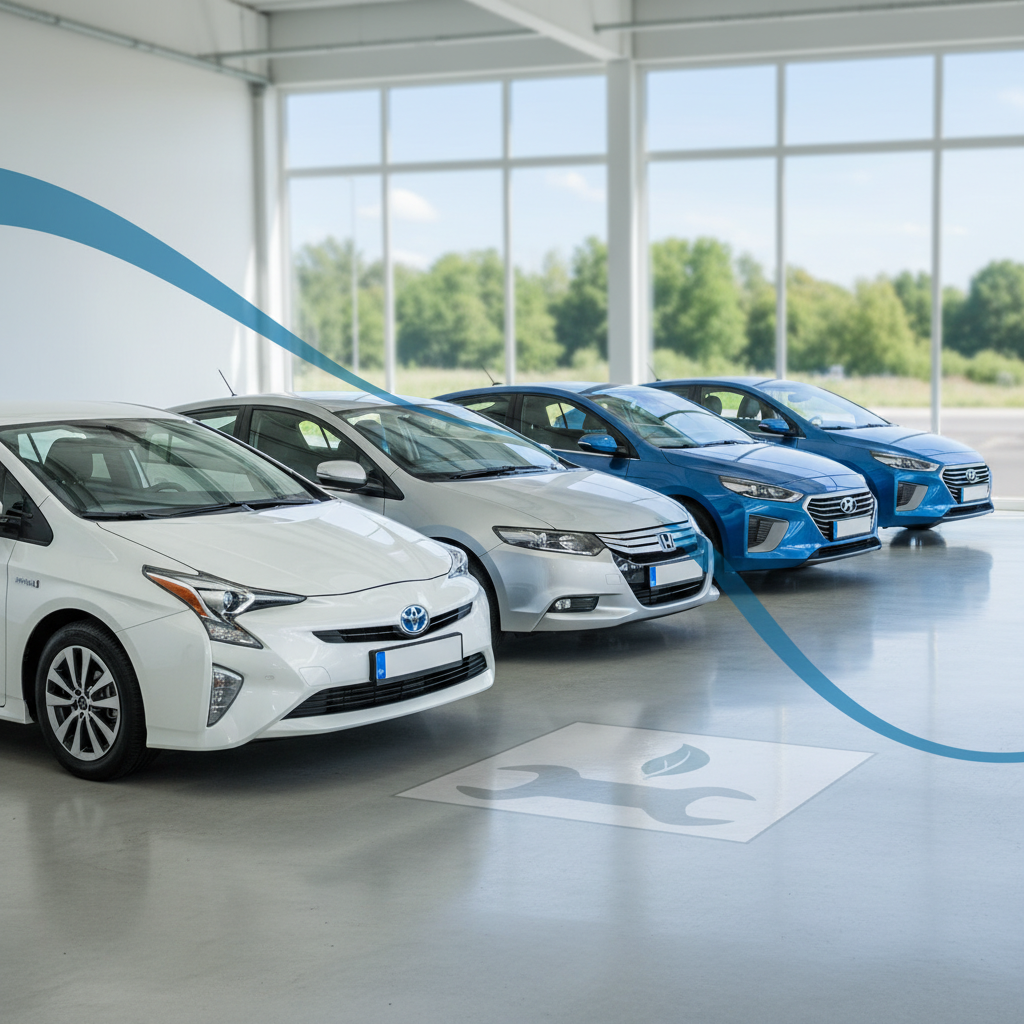
Cars With Good Mileage That Are Easy To Maintain
Toyota Corolla
The Toyota Corolla is practically synonymous with reliability and low-cost ownership. For decades, it has been a go-to choice for drivers seeking a vehicle that simply works without any fuss. Its enduring popularity stems from Toyota's commitment to proven engineering over flashy, complex technology. The engines and transmissions used in the Corolla are designed for longevity, and mechanics all over the world are intimately familiar with them. This means that when maintenance is required, parts are inexpensive and readily available, and labor costs are typically much lower than for more complicated or luxury vehicles. The car’s straightforward design leaves less room for expensive electronic or mechanical failures.
Beyond its legendary dependability, the Corolla is a champion of fuel efficiency. Newer models, particularly the hybrid version, can achieve well over 50 miles per gallon (MPG) combined, making it one of the most economical non-plugin vehicles on the market. Even the standard gasoline-powered models consistently deliver impressive mileage, often in the mid-to-high 30s for combined city and highway driving. This combination of sipping fuel and avoiding the repair shop makes the Toyota Corolla an incredibly smart financial choice for anyone looking to minimize their transportation costs over the long term.
Honda Civic
The Honda Civic has long been the Toyota Corolla's chief rival, and for good reason. It offers a similar formula of exceptional reliability, low maintenance needs, and fantastic fuel economy, but often with a slightly sportier and more engaging driving experience. Honda's reputation for building durable, high-quality engines is on full display in the Civic. These power plants are known for running smoothly for hundreds of thousands of miles with just basic, routine care. Like the Corolla, the Civic benefits from a massive global parts network, ensuring that replacements are affordable and easy to find, which helps keep repair bills in check.
Fuel efficiency is another area where the Civic excels. Standard models equipped with the continuously variable transmission (CVT) can easily reach the high 30s or even 40 MPG on the highway. Honda has perfected the art of balancing peppy performance with fuel-sipping technology, giving drivers an enjoyable ride that doesn't punish them at the pump. Whether you choose the sedan or the versatile hatchback, the Civic provides a practical and economical solution for daily commuting and long road trips alike.
Toyota Camry
For those needing a bit more space than a compact sedan offers, the Toyota Camry is the undisputed king of the midsize category. It takes everything people love about the Corolla—unflappable reliability, low running costs, and ease of maintenance—and presents it in a larger, more comfortable package. The Camry is a testament to Toyota's philosophy of continuous improvement, refining a successful formula year after year. Its standard four-cylinder engine is both powerful enough for confident merging and passing while remaining incredibly efficient. Because of its immense popularity, every independent mechanic knows how to work on a Camry, and parts are both cheap and plentiful.
The Camry also delivers impressive fuel economy figures for its size. The standard gasoline models regularly achieve MPG ratings in the mid-30s on the highway, which is excellent for a spacious family sedan. For ultimate efficiency, the Camry Hybrid is a standout performer, often pushing past the 50 MPG mark in combined driving. This allows families to enjoy the comfort and safety of a larger vehicle without the typically higher fuel costs, making the Camry a perfect blend of practicality and economy.
Toyota Prius
No list of high-mileage, low-maintenance cars would be complete without the Toyota Prius. As the vehicle that brought hybrid technology to the mainstream, the Prius has a long and proven track record of dependability. Many early concerns about the longevity and replacement cost of the hybrid battery have proven to be largely unfounded, with many Priuses lasting for well over 200,000 miles on their original battery packs. Furthermore, the hybrid system actually reduces wear and tear on other components. The regenerative braking system, for example, means the conventional brake pads and rotors last significantly longer than in a non-hybrid car.
Of course, the primary reason people buy a Prius is for its incredible fuel economy. It consistently delivers some of the highest MPG ratings of any car on the road, often achieving a combined 50-55 MPG or more. This remarkable efficiency translates into huge savings at the gas station over the life of the vehicle. For drivers whose top priorities are minimizing their fuel budget and their environmental impact without sacrificing reliability, the Toyota Prius remains the benchmark.
Honda CR-V
Proving that you don't have to sacrifice utility for economy, the Honda CR-V has been a leader in the compact SUV segment for years. It offers the reliability and low maintenance costs that Honda is famous for, packaged with the practicality of an SUV. The CR-V is built on a platform similar to the Civic, sharing its core engineering principles of durability and efficiency. Routine maintenance is straightforward, and the vehicle has a stellar reputation for avoiding major mechanical issues, making it a trusted choice for families and individuals who need cargo space and all-weather capability.
Despite its larger size compared to a sedan, the CR-V delivers commendable fuel economy. The standard gasoline models often achieve a combined MPG in the high 20s or low 30s, which is very competitive for its class. For even greater savings, the CR-V Hybrid pushes those numbers significantly higher, often into the high 30s, offering a fantastic blend of space, versatility, and efficiency. It’s the ideal vehicle for those who want an easy-to-maintain SUV that won’t break the bank at the fuel pump.
Mazda3
The Mazda3 offers a compelling alternative for those who want reliability and efficiency but crave a more stylish design and a premium-feeling interior. Mazda has worked hard to build a strong reputation for dependability, and the Mazda3 is a prime example of this success. It utilizes Mazda's Skyactiv engineering philosophy, which focuses on optimizing the efficiency and longevity of the traditional gasoline engine rather than relying on more complex turbochargers or hybrid systems. This approach results in a vehicle that is both fun to drive and simple to maintain over the long haul.
Fuel economy is a strong suit for the Mazda3. Thanks to its efficient engine design and aerodynamics, it can easily achieve MPG figures in the mid-to-high 30s on the highway. This allows drivers to enjoy a more upscale and engaging driving experience without the typical fuel penalty associated with premium-feeling cars. Available as either a sleek sedan or a sporty hatchback, the Mazda3 proves that an economical and easy-to-maintain car can also be exciting and stylish.
Understanding the Link Between High Mileage and Low Maintenance
The qualities that make a car fuel-efficient are often the same ones that contribute to its reliability and ease of maintenance. This connection isn't a coincidence; it's a result of specific engineering philosophies. Automakers known for reliability, like Toyota and Honda, often prioritize proven, well-tested technology over cutting-edge, complex systems that might have unknown long-term issues. For example, many of the most reliable cars use naturally aspirated (non-turbocharged) engines. While a turbocharger can boost power and efficiency, it also adds complexity, more moving parts, and another potential point of failure that can be expensive to repair.
Furthermore, efficiency-focused designs often lead to less stress on the vehicle's components. A lightweight car with an appropriately sized engine doesn't have to work as hard to get up to speed, reducing strain on the engine, transmission, and brakes. Simple, aerodynamic designs not only cut through the air to save fuel but also have fewer intricate parts that could break. This philosophy of "elegant simplicity" results in a vehicle where the components work in harmony, leading to a longer lifespan, fewer unexpected repairs, and, ultimately, a lower total cost of ownership for the driver.
Frequently Asked Questions About Fuel-Efficient and Reliable Cars
Are hybrid cars more expensive to maintain?
This is a common concern, but in most cases, it's a misconception. While the technology is more advanced, modern hybrid vehicles are designed to be incredibly durable. The most feared expense—replacing the high-voltage battery pack—is rare. These batteries are built to last the life of the vehicle, and federal regulations mandate they are warrantied for at least 8 years or 100,000 miles (with some states requiring even longer coverage). Many owners find their hybrids go well beyond 200,000 miles on the original battery without issue.
In fact, hybrids can actually be cheaper to maintain in some areas. The regenerative braking system, which uses the electric motor to slow the car and recharge the battery, significantly reduces wear on the conventional brake pads and rotors. This means brake jobs are needed far less frequently. Additionally, the gasoline engine in a hybrid often runs less than in a conventional car, especially in city driving, which can lead to reduced wear and tear on its internal components over time. When you factor in the massive fuel savings, the overall cost of owning a reliable hybrid is often lower than its gasoline-only counterpart.
How can you maximize your car's fuel economy?
While choosing an efficient car is the most important step, your driving habits and maintenance routine play a huge role in the MPG you actually achieve. The single biggest factor is your right foot. Aggressive driving, with rapid acceleration and hard braking, wastes a tremendous amount of fuel. Instead, aim for smooth, gradual acceleration and anticipate stops so you can coast or brake gently. On the highway, using cruise control can help maintain a steady speed and improve efficiency.
Regular maintenance is also critical. One of the simplest things you can do is ensure your tires are properly inflated to the pressure listed on the sticker inside your driver's side door jamb. Underinflated tires create more rolling resistance and can reduce your MPG by several percent. Similarly, following your car's recommended maintenance schedule for oil changes and replacing air filters ensures the engine is running as efficiently as possible. Finally, reduce unnecessary weight in your car—don't haul around heavy items in your trunk if you don't need to, as extra weight makes your engine work harder.
Final Thoughts
Choosing a vehicle that combines good mileage with ease of maintenance is one of the smartest financial decisions a car owner can make. It protects you from both the predictable cost of frequent fuel fill-ups and the unpredictable, often stressful, expense of major repairs. Brands like Toyota, Honda, and Mazda have built their reputations on delivering vehicles that excel in these areas. By focusing on models with a proven track record of reliability, simple engineering, and efficient performance, you can ensure your car is a dependable partner that saves you money for many years to come.
For further research and to compare specific models, you may find these resources helpful:
- Edmunds - For expert car reviews and pricing information.
- Kelley Blue Book - A trusted source for car values and owner reviews.