Top Green Building Materials for Long-Lasting Construction Projects
Discover the secrets behind the most durable green building materials revolutionizing modern construction. This guide explores ecofriendly solutions that offer sustainability without sacrificing strength.
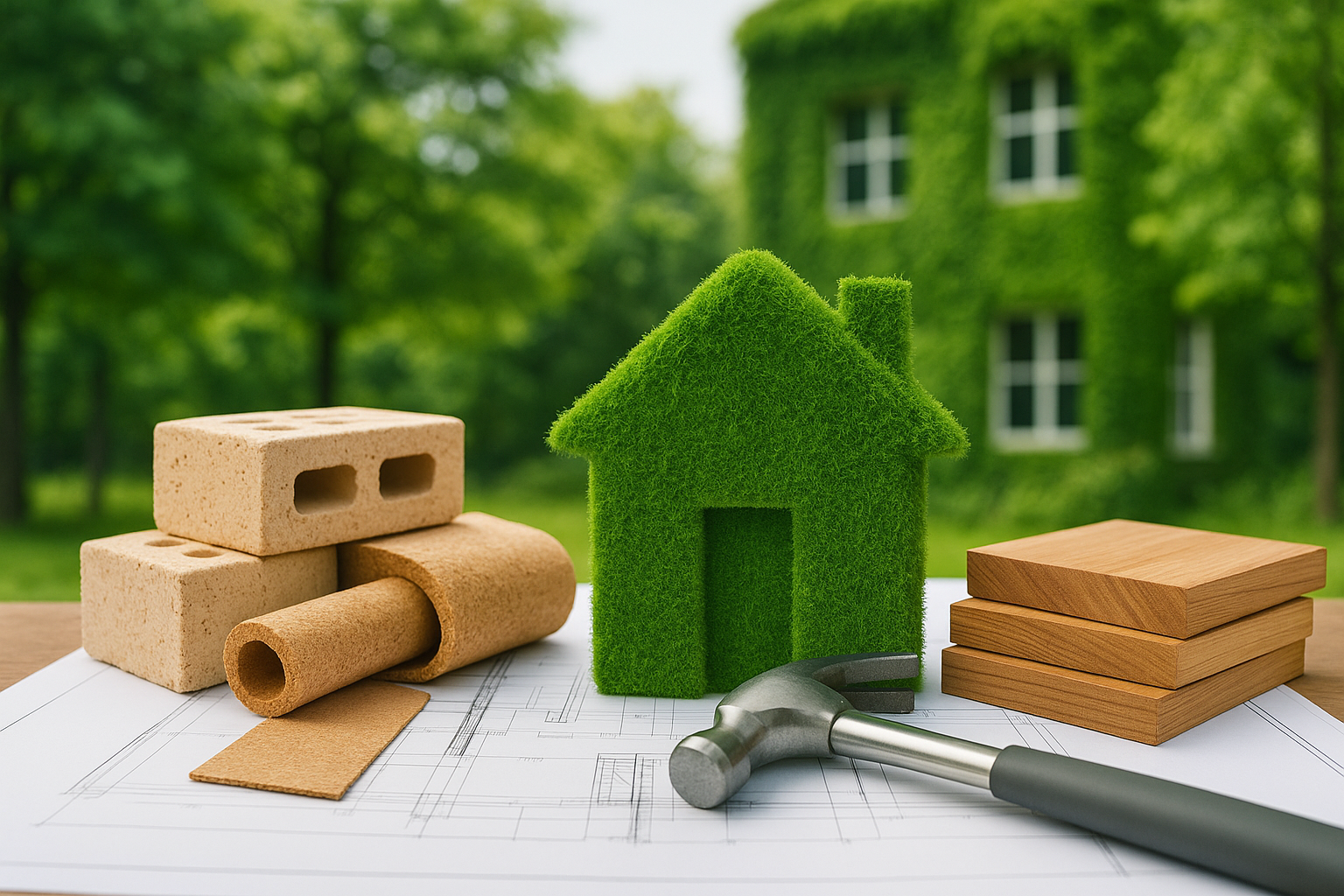
Understanding Green Building Materials
In the world of modern construction, sustainability has become a critical focus as environmental concerns continue to rise. Green building materials play a pivotal role in reducing the ecological footprint of new buildings. Understanding what these materials are and their benefits is essential for anyone interested in sustainable construction.
Green building materials are those that enhance the efficiency of energy use, promote better air quality, and are made from non-toxic, renewable, or recyclable resources. Their life cycle impact on the environment, from extraction to disposal, is minimal compared to traditional building materials.
The Most Durable Green Building Materials
Modern construction demands materials that are not only sustainable but also durable enough to withstand the test of time. Here are some of the most reliable green materials widely used today:
Bamboo
Known for its astonishing growth rate, bamboo is a renewable resource that is often used in flooring and cabinetry. It is a durable material due to its strength and flexibility, rivaling traditional hardwood. Bamboo's resilience and quick growth make it a sustainable choice for many builders.
- High tensile strength
- Rapid renewability, with maturity reached in 3–5 years
- Versatility in use, from flooring to structural applications
Recycled Steel
Steel is one of the most recycled materials on the planet, and its use in construction can significantly reduce the need for new resources. Recycled steel is as strong as new steel, making it an excellent choice for structural components of a building.
- 100% recyclable without quality loss
- Reduces the need for wood framing, thus conserving resources
- Highly durable and resistant to weather and pests
Insulated Concrete Forms (ICFs)
ICFs are forms for poured concrete made with reinforced plastic or other durable materials that remain in place as permanent building insulation. They provide an energy-efficient and sustainable solution by reducing energy consumption and minimizing waste.
- Excellent thermal insulation properties
- Soundproofing benefits
- Improved structural integrity due to concrete support
Reclaimed Wood
Using reclaimed wood not only supports sustainable practices by reducing the need for new lumber but also brings unique aesthetics to interior and exterior spaces. Reclaimed wood often comes from old barns, factories, or urban forests, giving it a distinct character rich in history.
- Reduces environmental impact from logging
- Unique aesthetics and character not found in new wood
- Durable due to seasoning over time and previous usage
Benefits of Using Durable Green Building Materials
The usage of durable green building materials not only fosters environmental sustainability but also offers significant advantages in terms of building longevity and efficiency. Here are some key benefits:
Environmental Impact
Green materials are integral to reducing carbon footprints and waste. By using resources like bamboo or recycled steel, builders can significantly cut down on emissions associated with manufacturing and transportation. These materials often utilize less energy and result in fewer pollutants.
Energy Efficiency
Many modern green materials enhance a building's energy efficiency. For instance, insulated concrete forms and advanced glazing systems reduce energy needs for heating and cooling, ultimately lowering utility bills and saving money over a building's lifecycle.
Health and Well-being
Sustainable materials often contribute to healthier indoor environments. By avoiding products with volatile organic compounds (VOCs), such as certain paints or formaldehyde-based products, green buildings can ensure better air quality and foster occupants' well-being.
Challenges and Considerations
Despite the clear advantages, architects and builders face challenges when incorporating green materials. Cost is a significant consideration, as some sustainable materials may initially be more expensive. However, investing in these materials often results in reduced long-term costs due to energy savings and durability.
Availability also can be an issue, as the demand for certain green materials may outstrip supply, leading to delays. Additionally, some builders may need additional training or certifications to work with specific sustainable materials properly.
Conclusion: The Future of Green Materials in Construction
As innovation continues in the field of sustainable construction, the options for green building materials are expanding. Modern architects and construction professionals increasingly turn to these materials not only for their positive environmental impact but also for their durability and efficiency. As awareness and demand for sustainable practices grow, the construction industry is likely to see even greater advancements in green building technologies and materials.
By opting for these durable green materials, we can create structures that not only meet today's needs but also preserve the environment for future generations. This approach not only aligns with sustainable values but also offers practical and economic benefits to building owners and occupants alike.
Want to learn more? Check out these resources: BuildingGreen and U.S. Green Building Council.