Top Home Gym Equipment Choices to Support Bone Health and Strength
Building a home gym with osteoporosis in mind is a powerful step toward improving your bone density and overall strength. To make it safe and effective, choosing the right equipment is key.
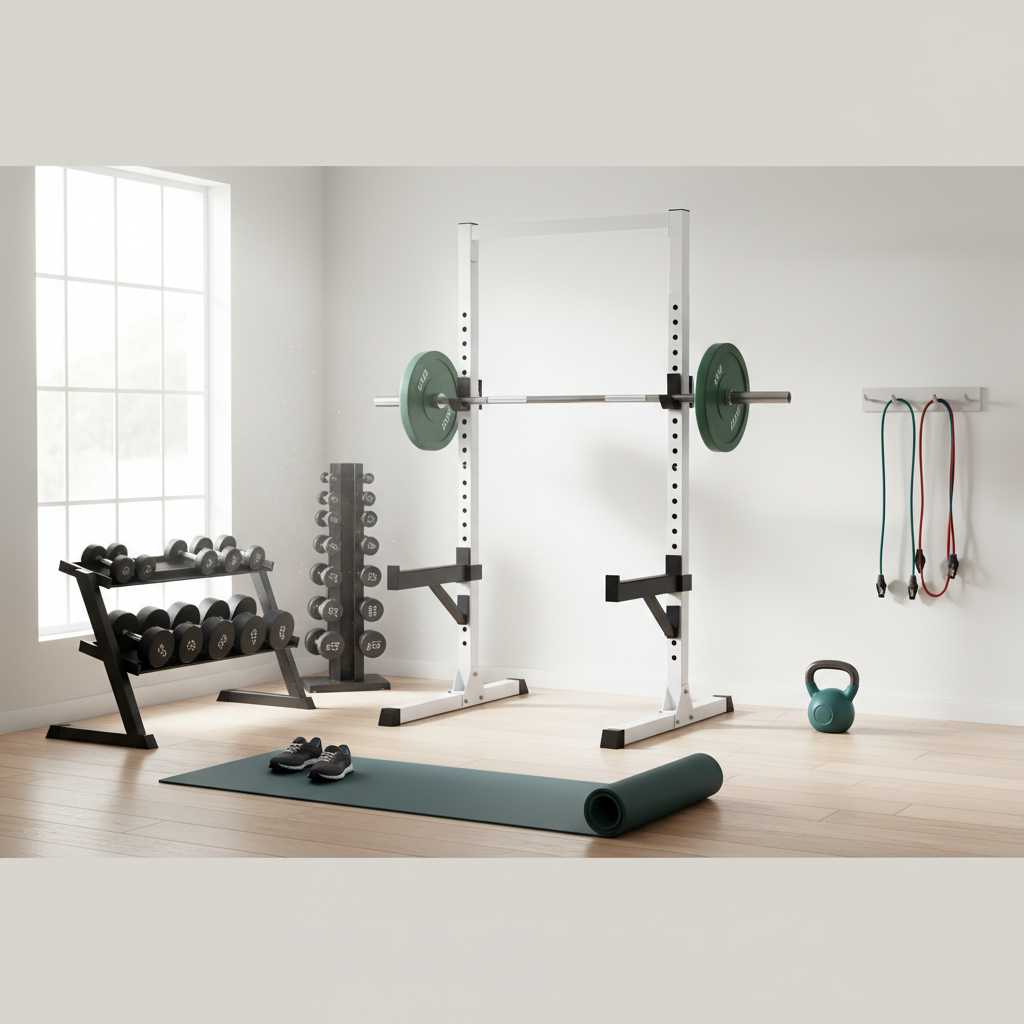
Creating a safe and effective home gym is a powerful step in managing osteoporosis. The right equipment can help you engage in the two most important types of exercise for bone health: weight-bearing and muscle-strengthening. These activities stimulate bone-forming cells, helping to slow bone loss and, in some cases, even build new bone. The key is to choose equipment that allows you to challenge your body without putting you at risk for falls or fractures. Below is a guide to some of the best home gym equipment to consider if you are living with osteoporosis.
Top Equipment Choices for a Bone-Healthy Home Gym
1. Walking Treadmill
A walking treadmill is arguably one of the most valuable pieces of equipment for an osteoporosis-friendly home gym. Walking is a fundamental weight-bearing exercise, meaning your bones and muscles work against gravity to support your body's weight, which signals your body to strengthen the bones. A treadmill provides a controlled, safe environment to do this, free from outdoor hazards like uneven pavement, traffic, or bad weather. Modern treadmills offer crucial safety features like sturdy handrails for balance, an emergency stop clip, and a cushioned deck to reduce stress on joints like your knees and hips.
Furthermore, a treadmill allows for precise control over your workout intensity. You can start with a slow, flat walk and gradually increase the speed or, more importantly, the incline. Walking on an incline significantly increases the load on your hip and spine bones without requiring you to move at a high-impact pace like jogging. This ability to progressively overload your muscles and bones in a controlled manner is essential for continuous improvement in bone density and overall fitness.
2. Resistance Bands
Resistance bands are a versatile, inexpensive, and incredibly effective tool for muscle-strengthening exercises. For those with osteoporosis, especially individuals new to strength training, bands offer a significant advantage over heavy weights. They provide progressive resistance, meaning the tension increases as you stretch the band, allowing for a smooth and controlled range of motion that is gentle on the joints. This helps build muscle strength, which in turn supports your skeleton and improves balance, reducing the risk of falls.
Available in various resistance levels, from very light to heavy, bands can be used for a full-body workout. You can perform exercises like bicep curls, seated rows for back strength, leg presses, and hip abductions to target the critical muscles surrounding the hips and spine. Their portability also means you can maintain your routine anywhere. For osteoporosis, focusing on exercises that strengthen the back extensors (muscles along the spine) is particularly important for maintaining good posture and reducing the risk of vertebral fractures.
3. Light Dumbbells, Ankle & Wrist Weights
Free weights are a classic for a reason. For individuals with osteoporosis, the focus should be on light dumbbells (starting with 2-5 pounds) and wearable weights for ankles and wrists. These tools are perfect for targeted muscle-strengthening routines. Lifting weights creates tension on your muscles, which pull on the bones, stimulating them to become stronger and denser. Exercises like overhead presses, bicep curls, and lunges (while holding light weights) can effectively work the muscles in your arms, shoulders, back, and legs.
Ankle and wrist weights add a light, constant resistance to dynamic movements. Wearing ankle weights during leg lifts can help strengthen the hip muscles, a critical area for fracture prevention. Wrist weights can be worn during brisk walks to add a slight challenge to the upper body. The key is to start light, focus on impeccable form to prevent injury, and gradually increase the weight only when you can comfortably complete your sets. Proper form is always more important than lifting a heavier weight.
4. Elliptical Machine
An elliptical trainer is an excellent choice for a low-impact, weight-bearing cardiovascular workout. It mimics the motion of walking or running but keeps your feet on the pedals at all times, eliminating the jarring impact that can be hard on the joints of the spine, hips, and knees. Despite being low-impact, it is still a weight-bearing exercise because you are standing and supporting your own body weight, which is essential for stimulating bone density.
Most elliptical machines feature moving handlebars, allowing you to engage your upper body for a full-body workout. This dual-action movement helps improve coordination and strengthens the muscles in your arms, chest, and back. The ability to adjust resistance levels allows you to progressively increase the difficulty of your workout as you get stronger, ensuring you continue to challenge your muscles and bones over time. It's a fantastic all-in-one cardio machine for building endurance and bone strength safely.
5. Stair Stepper or Mini-Stepper
Stair climbing is a highly effective weight-bearing exercise that specifically targets the bones in your hips and spine. A stair stepper or a more compact mini-stepper brings this powerful workout into your home. This equipment allows you to perform a simple, repetitive, and controlled movement that places beneficial stress on your lower body skeleton. It’s a great way to build strength in your glutes, hamstrings, and quadriceps—the large muscle groups that support your hips and improve overall stability.
Mini-steppers are a particularly attractive option for those with limited space or a smaller budget. They are portable, easy to store, and provide a surprisingly challenging workout. Many models come with optional resistance bands that attach to the base, allowing you to work your upper body simultaneously. Using a stepper is a straightforward way to get your heart rate up while directly contributing to the health of some of the most fracture-prone bones in your body.
Understanding Osteoporosis and the Vital Role of Exercise
Osteoporosis, which literally means "porous bone," is a condition characterized by a decrease in bone mass and density, leading to weakened, brittle bones. This makes the skeleton highly susceptible to fractures, which can occur from a minor fall or even simple actions like sneezing or bending over. While it can affect anyone, it is most common in postmenopausal women due to the decline in estrogen, a hormone crucial for maintaining bone density. Understanding this condition is the first step toward managing it effectively.
Exercise plays a critical, non-negotiable role in any osteoporosis management plan. Our bones are living tissue that constantly remodels itself. This process is heavily influenced by the physical stress and loads placed upon it—a principle known as Wolff's Law. When you perform weight-bearing or resistance exercises, the mechanical stress sends signals to bone-forming cells called osteoblasts to get to work, laying down new bone tissue to make the skeleton stronger. Without this regular stimulus, the bone-resorbing cells (osteoclasts) can outpace the bone-builders, leading to a net loss in bone density over time.
There are two primary categories of exercise that are essential for bone health. Weight-bearing exercises force your body to work against gravity. This includes activities like walking, climbing stairs, and dancing. Muscle-strengthening (or resistance) exercises involve moving your body against some form of resistance, such as weights, bands, or your own body weight. This action of muscles pulling on bones is another powerful signal for bone growth. A comprehensive exercise program for osteoporosis should ideally include a combination of both types of activities, along with exercises to improve balance and posture. For additional information, the Bone Health and Osteoporosis Foundation is an excellent resource.
Common Questions About Exercising with Osteoporosis
What Types of Exercises Should Be Avoided with Osteoporosis?
While exercise is crucial, it's equally important to know which activities to avoid to prevent fractures. The primary goal is to eliminate movements that put excessive or unsafe stress on weakened bones, particularly the vertebrae in the spine. High-impact exercises should generally be avoided. This includes activities like jumping, jogging on hard surfaces, and high-intensity aerobics. The jarring force from these movements can be too much for brittle bones to handle.
Movements that involve excessive bending forward from the waist or deep twisting of the spine are also considered high-risk. Activities like traditional sit-ups, abdominal crunches, or certain yoga and Pilates poses (like deep forward folds) can put compressive force on the front of the vertebrae, potentially leading to a compression fracture. When lifting objects, it's vital to bend at the knees and hips, keeping the back straight, rather than rounding the spine. Always consult with a doctor or physical therapist to get personalized advice on which exercises are safe for your specific condition.
How Often Should You Exercise for Bone Health?
Consistency is the key to building and maintaining bone density. Sporadic workouts won't provide the regular stimulus your bones need to stay strong. General guidelines from health organizations often recommend a combination of different types of activities throughout the week. For weight-bearing cardiovascular exercise, aim for at least 30 minutes on most, if not all, days of the week. This can be broken up into shorter 10- or 15-minute sessions if that is more manageable.
For muscle-strengthening exercises, it is recommended to work all major muscle groups at least two to three times per week, with a day of rest in between for muscle recovery. This doesn't mean you need to spend hours in the gym. A well-designed 20-30 minute routine using bands or light weights can be highly effective. Finally, balance and flexibility exercises, such as Tai Chi or simple stretching, can be done daily to help improve stability and reduce the risk of falls. The Mayo Clinic offers excellent guidance on creating an exercise plan for osteoporosis.
Conclusion
Building a home gym tailored to the needs of someone with osteoporosis is a proactive and empowering step towards better bone health. By focusing on equipment that facilitates safe, low-impact, weight-bearing, and muscle-strengthening exercises, you can create a routine that directly stimulates bone growth and improves overall physical function. Pieces like a walking treadmill, resistance bands, light weights, and an elliptical machine provide the tools needed for a balanced workout program. Remember, the goal is not just to build stronger bones but also to improve strength, balance, and coordination to prevent the falls that can lead to fractures. Before beginning any new exercise regimen, it is always essential to consult with your healthcare provider to ensure it is safe and appropriate for you.