Top Nutrient-Packed Foods to Keep Your Dog Healthy and Happy
Discover a variety of options when searching for the best foods for dogs. This guide explores different nutritious choices that could support your furry friend's health and well-being. While every dog's dietary needs are unique, there are certain foods that often work well for many breeds.
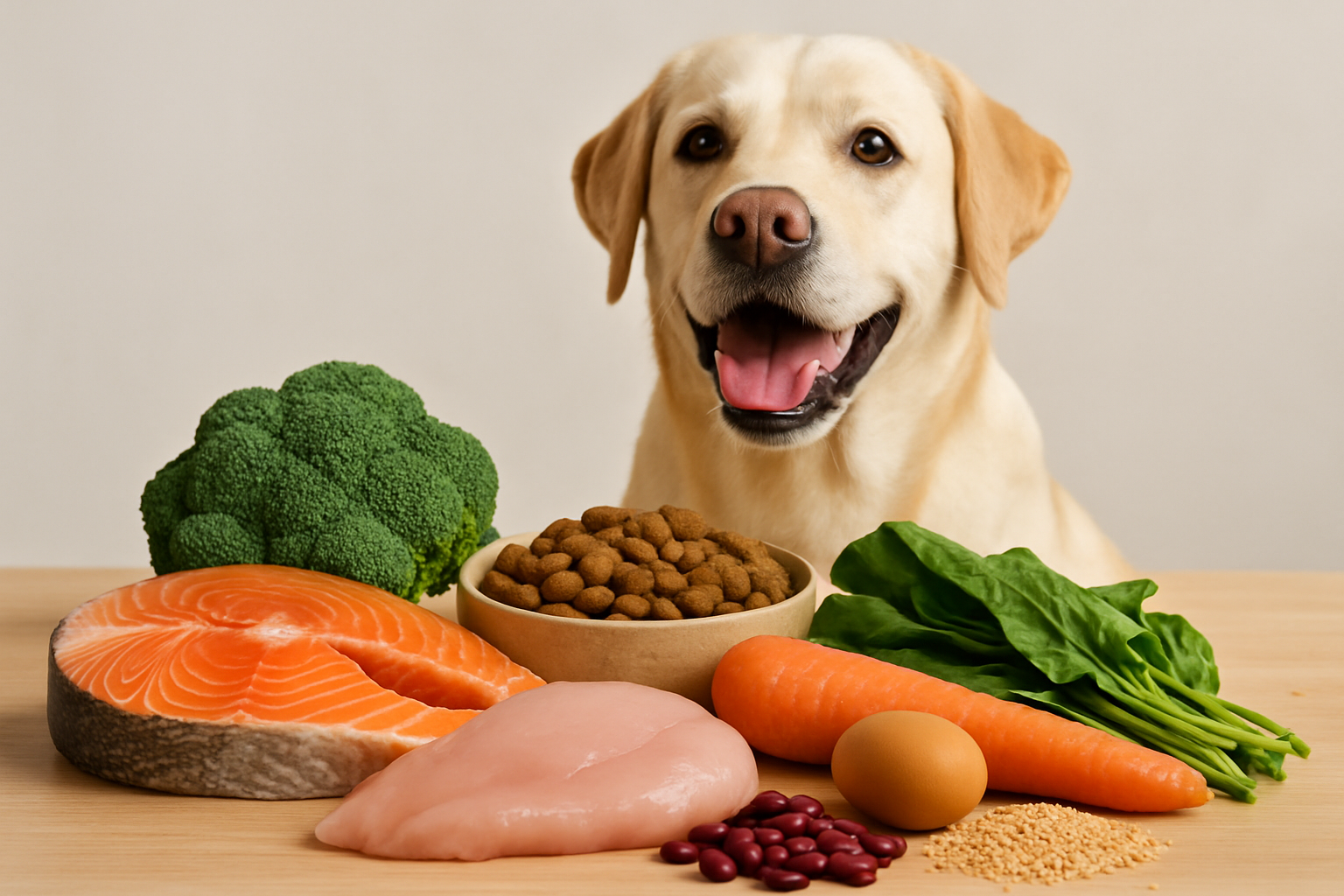
Understanding a Canine Diet
Choosing the best foods for your dog is crucial for their overall health and well-being. The dietary needs of dogs vary based on factors such as age, breed, size, and health status. Just like us, dogs require a balanced diet composed of proteins, carbohydrates, fats, vitamins, and minerals. Making informed choices can contribute to your dog's longevity and quality of life.
Core Nutrient Needs for Dogs
To maintain a healthy lifestyle, dogs need a diet rich in several nutrients. Here are the essential ones:
- Proteins: Critical for building and repairing tissues and maintaining muscle mass. Common sources include meat, eggs, and fish.
- Carbohydrates: Provide energy. Consider high-quality sources like sweet potatoes and oats.
- Fats: Vital for a shiny coat and healthy skin. Sources include fish oils and chicken fat.
- Vitamins and Minerals: Essential for immune function and bone health. Include a variety of fruits and vegetables.
What Are the Best Foods for Dogs?
When selecting dog food, it's important to choose options that meet these nutritional requirements. There are two main categories to consider:
Commercial Dog Foods
Many dog owners opt for commercial dog foods due to convenience. These products are often categorized as dry, wet, and semi-moist foods.
In 2026, several brands have been noted for their high quality:
- Orijen: Known for its biologically appropriate formulas that include free-run poultry, wild-caught fish, and fresh veggies.
- Hill’s Science Diet: Recognized for formulations tailored to specific life stages and health needs, supported by veterinary research.
- Blue Buffalo: Offers recipes with real meat as the first ingredient, avoiding artificial preservatives and fillers.
Homemade Dog Diets
If you prefer a more hands-on approach, creating a homemade diet allows you to control what goes into your dog's meals.
Consider these tips for a balanced homemade diet:
- Use lean meats like chicken, beef, or turkey as the protein base.
- Add in complex carbohydrates such as brown rice or quinoa.
- Incorporate vegetables like carrots, peas, and spinach for vitamins and minerals.
- Supplement with healthy fats using olive oil or fish oil.
Working with a veterinary nutritionist can help you ensure nutritional adequacy.
How to Transition Your Dog's Diet
Changes in diet should be gradual to avoid digestive issues. Here's a step-by-step approach:
- Start by mixing a small amount of the new food with the old food.
- Gradually increase the proportion of the new food over 7-10 days.
- Monitor your dog for any signs of digestive distress or allergic reactions.
- Consult with a vet if you notice any adverse reactions.
Recognizing Healthy Dog Foods
When evaluating your options, keep an eye out for these characteristics of high-quality dog food:
- Complete and balanced label: Indicates the product meets the guidelines of reputable organizations like AAFCO.
- Named protein source: Look for specific meat types like chicken or beef rather than ambiguous terms like 'meat meal.'
- Avoid by-products: While not necessarily harmful, whole meats and named ingredients are of higher quality.
- Limited artificial additives: Preservatives, colors, and flavors should be minimal.
Conclusion
Your dog's dietary needs are as individualized as your dog itself. By choosing high-quality commercial options or carefully crafted homemade meals, you can help ensure they receive the nutrition they need. Regardless of your choice, always consider consulting with a veterinarian to optimize your dog's diet for health and happiness.
For more information on remembering what balanced dog nutrition entails, you can refer to trusted resources like the American Kennel Club and the Cornell University College of Veterinary Medicine.