Top Nutritious Foods to Keep Your Dog Healthy and Happy
Are you curious about what are the best foods for dog health and happiness? Explore a guide that helps you choose nourishing options without claiming a one-size-fits-all answer. We dive into trusted tips and insights about select dog foods that support vitality.
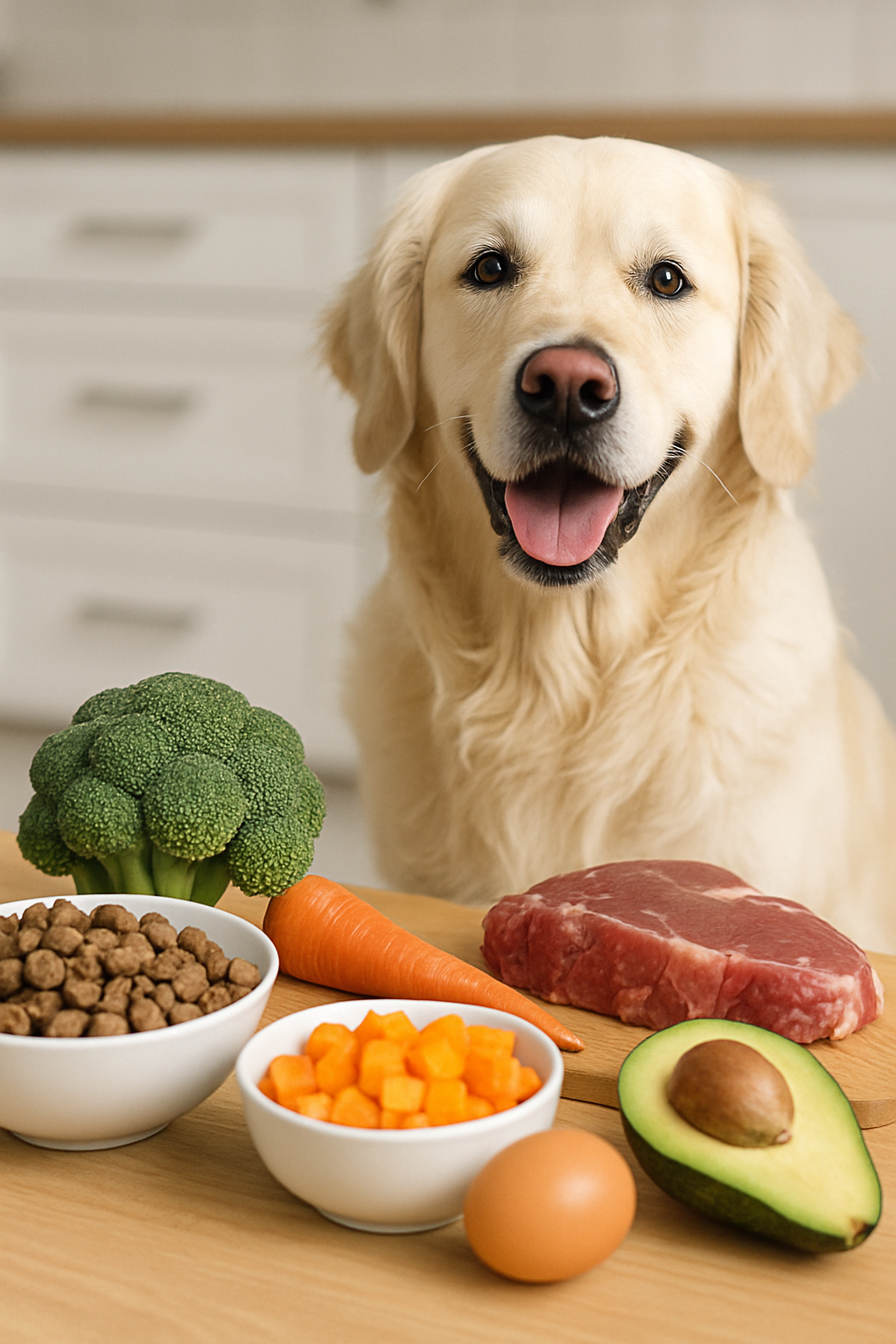
Understanding Your Dog's Nutritional Needs
As a loving dog owner, providing the best nutrition is essential for your furry friend's health and well-being. Like humans, dogs have specific dietary needs that must be met to ensure optimal health, vitality, and longevity. But what exactly constitutes the best foods for dogs? This article will explore the key elements of canine nutrition, the best foods to offer your dog, and how to make informed choices for your pet.
Key Nutritional Requirements for Dogs
Dogs require a balanced diet that includes proteins, fats, carbohydrates, vitamins, and minerals. These nutrients serve different functions in a dog's body—protein for muscle maintenance and repair, fats for energy and healthy skin, carbohydrates for quick energy, and vitamins and minerals for overall health.
- Protein: Essential amino acids found in meat, poultry, fish, and some plant-based sources like beans and lentils.
- Fats: Important for brain health and a shiny coat, found in animal fats and oils like fish oil.
- Carbohydrates: Provide energy and help with digestive health, found in rice, potatoes, and whole grains.
- Vitamins and Minerals: Help support metabolic functions, bone health, and immune system efficiency. Dark leafy greens and organ meats are rich sources.
What Are the Best Foods for Dogs?
High-Quality Commercial Dog Foods
Choosing the right commercial dog food can significantly simplify meeting your dog's nutritional needs. Look for brands that list a real protein source as the first ingredient and have active certifications from veterinary and food safety organizations. Dog Food Advisor regularly updates its reviews to include the best available brands in 2026.
Homemade Dog Meals
Many dog owners prefer preparing homemade meals for their pets, ensuring every ingredient is fresh and of high quality. If you choose this route, it's crucial to understand portion sizes and ingredient proportions to keep meals balanced. Consulting a veterinary nutritionist can help create personalized meal plans for your dog’s specific needs.
Ingredients such as lean meats, cooked vegetables, and grains like rice or oats can form the base of a nutritious meal. Always avoid using ingredients known to be toxic to dogs, such as onion, garlic, grapes, and chocolate.
Key Considerations When Choosing Dog Food
Age and Life Stage
Dogs at different life stages have varying nutritional requirements. For instance, puppies need more calories and nutrients to support growth, while senior dogs require diets that account for less caloric needs and potential joint issues.
Special Dietary Needs
Just like humans, some dogs have unique dietary needs or restrictions. Conditions such as allergies, obesity, digestive issues, and chronic diseases like diabetes can influence the choice of food. Consulting with a veterinarian can help tailor a diet that manages or alleviates these conditions effectively.
Reading Labels and Understanding Ingredients
Always read the labels on commercial dog foods. Terms like "natural," "premium," or "gourmet" aren't necessarily indicative of quality. Instead, check for specific ingredient names and quantities to ensure balanced nutrition. Resources like the FDA's guidelines on pet food labels provide detailed help on what to look for.
Emerging Trends and Innovations in Dog Nutrition (2026)
Recent advancements in pet nutrition research emphasize the importance of personalized nutrition plans similar to those for humans. Innovations in food technology offer options like fresh-frozen meals and insect-based proteins as sustainable alternatives.
According to a recent study published in the Journal of Animal Nutrition, there is growing evidence supporting the health benefits of integrating prebiotics and probiotics into dog diets, enhancing gut health and immune function.
Conclusion: Making the Best Choices for Your Dog
Providing your dog with the best foods requires a commitment to understanding their unique needs and sourcing the right products or recipes to meet those needs. Whether you select premium commercial options or make meals at home, the focus should remain on balanced nutrition.
Always consult your veterinarian for guidance tailored to your dog's specific health considerations, age, and lifestyle. Remember, a well-nourished dog isn't just healthier but also lives a happier, more vibrant life.