Top Picks for the Smallest Campers Equipped with Toilets
You're looking for the freedom of a compact camper but don't want to sacrifice the convenience of a private bathroom—and you're in the right place.
Exploring the Smallest Campers with Toilets
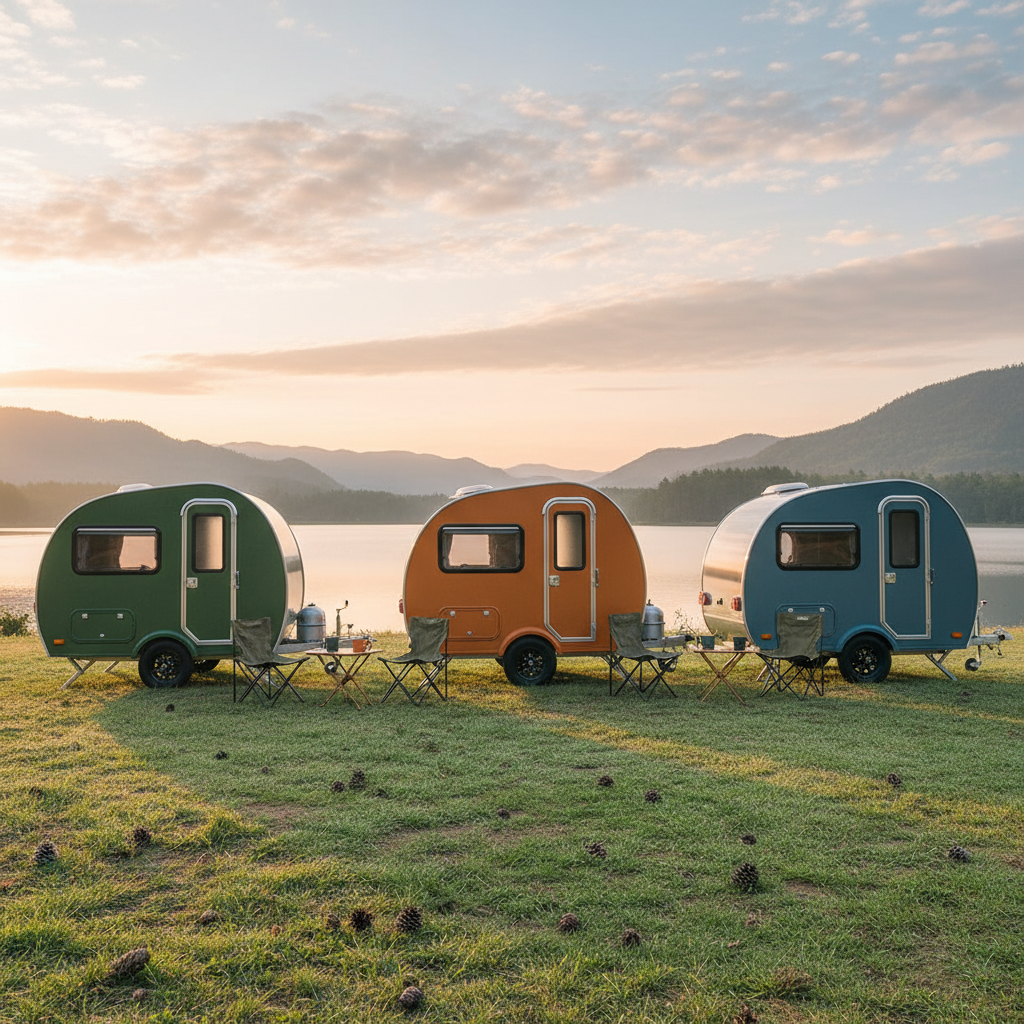
For many travelers, the dream of a compact, easy-to-tow camper is often met with a practical question: can it have a bathroom? The good news is that manufacturers have become incredibly innovative, packing essential amenities into surprisingly small footprints. The "smallest" camper with a toilet isn't a single model but rather a category of ultra-compact RVs where a private bathroom is a key feature. These campers prioritize convenience without demanding a large tow vehicle or a massive budget.
The quest for the smallest camper with this feature often leads to several different types of RVs, each with its own unique design philosophy. From teardrop trailers that have expanded their traditional minimalist approach to ultra-light travel trailers and innovative pop-up campers, the options are more diverse than ever. Understanding these categories is the first step in identifying the perfect tiny rig that doesn't compromise on this crucial convenience.
Teardrop Trailers with Wet Baths
Traditionally, teardrop trailers were known for their minimalist design, usually consisting of just a sleeping cabin and an outdoor galley kitchen. However, a new breed of larger, more feature-rich teardrops has emerged. Models like the nüCamp TAB 320 S or the Little Guy Max are prime examples of this evolution. These campers maintain the classic teardrop shape and lightweight profile but manage to incorporate a wet bath. A wet bath is a clever space-saving solution where the entire bathroom area, including the toilet, sink, and walls, is designed to get wet during a shower. The toilet is typically a cassette-style model.
These advanced teardrops are often the definitive answer to the "smallest camper with a toilet" question. They are typically under 16 feet in length and can be towed by many SUVs and even some smaller vehicles. While the bathroom space is compact, the privacy and convenience it offers are game-changers for campers who want to avoid late-night trips to campground facilities or need a self-contained unit for boondocking.
Ultra-Light Travel Trailers
A small step up in size from teardrops are the ultra-light or "micro" travel trailers. These campers, like the iconic Scamp 13’ or the Casita Spirit 17’, use molded fiberglass shells to keep weight to a minimum while maximizing interior space and durability. The Scamp 13’, in its front bathroom layout, is one of the smallest and lightest conventional travel trailers available that includes a fully enclosed bathroom with a toilet and often a shower.
These trailers offer a more traditional RV experience compared to teardrops, with a bit more interior headroom and dedicated spaces for sleeping, dining, and cooking. The bathroom is typically a wet bath to conserve space, but it feels more like a separate room. Their lightweight construction means they are still towable by a wide range of vehicles, making them an excellent choice for those who want the amenities of a larger trailer in a nimble and manageable package.
Pop-Up Campers and A-Frames
Pop-up campers are renowned for their low-profile towing and spacious living areas once set up. While most traditional soft-sided pop-ups don't have built-in bathrooms, some of the larger "high-wall" models do. These campers often include a cassette toilet and a shower curtain enclosure, providing a private space for necessities. However, an even more solid option comes from hard-sided pop-ups, often called A-frame campers.
Brands like Aliner and Forest River Rockwood make A-frame models that are incredibly quick to set up and feature solid walls. Some of their larger floor plans successfully integrate a small wet bath or, at the very least, a dedicated cassette toilet cabinet. This provides the best of both worlds: a low towing weight and wind profile combined with the security and convenience of hard walls and a private bathroom.
The Ingenious Engineering Behind Compact Camper Bathrooms
The ability to fit a fully functional bathroom into a camper that is less than 16 feet long is a testament to modern RV engineering and design. This evolution didn't happen overnight. Early small campers were spartan, focusing solely on shelter. The bathroom was the great outdoors or a shared campground facility. The demand for self-sufficiency, however, pushed manufacturers to find clever ways to integrate more amenities without significantly increasing the size or weight of the trailers.
The single most important innovation was the wet bath. By waterproofing an entire small compartment and combining the toilet and shower space, designers eliminated the need for a separate shower stall, which would be impossible in a tiny footprint. This concept, borrowed from marine design, single-handedly made bathrooms viable in the smallest of trailers. Another key piece of the puzzle was the cassette toilet. Unlike traditional RV toilets that are connected to a large, under-mounted black tank, a cassette toilet has a small, removable waste tank (the "cassette") that can be emptied into a regular toilet or dump station. This negated the need for complex plumbing and a large, heavy tank, making it perfect for lightweight campers.
Finally, the rise of lightweight and durable materials like molded fiberglass and aluminum framing allowed manufacturers to build stronger structures that could support these amenities without becoming too heavy. Multi-functional interior design also played a crucial role. By creating dinettes that convert into beds and galleys that are compact yet efficient, designers freed up the precious floor space needed to dedicate a corner to a private, enclosed bathroom.
Key Considerations for Toilets in Small Campers
While having a toilet in a small camper is a fantastic convenience, it's important to understand the different types and the trade-offs involved. Your choice will impact your camping style, maintenance routine, and overall experience.
What Types of Toilets Are Used in Small Campers?
In the world of compact RVs, you'll generally encounter a few specific types of toilet systems. The most common is the aforementioned wet bath, where the shower and toilet share the same space. A less common but more luxurious option in slightly larger "small" campers is a dry bath, where the shower is separate from the toilet and sink, just like in a home. This is rare in truly tiny campers due to space constraints.
The toilet itself is usually either a cassette toilet or a traditional black tank toilet. Cassette toilets are favored for their portability and ease of dumping; you can empty the small 2-to-5-gallon tank almost anywhere. This is ideal for boondockers or those staying in places without full hookups. A black tank toilet functions like a larger RV, with waste going into a fixed tank underneath the camper that must be emptied at a designated RV dump station. These tanks have a larger capacity but offer less flexibility for disposal. Some owners also opt for portable or composting toilets, which are self-contained units that can be placed inside a camper or a privacy tent.
What Are the Trade-Offs of Having a Toilet in a Tiny Camper?
The primary benefit of a toilet in any camper is undeniable: convenience. It offers privacy, security (no midnight walks to a dark bathhouse), and hygiene, which is especially valuable when traveling with children or camping off-grid. It makes the camper truly self-contained, opening up a wider range of camping possibilities beyond established campgrounds.
However, this convenience comes with trade-offs. The biggest is space. In a camper under 16 feet, every square inch is precious. A dedicated bathroom, even a tiny wet bath, consumes space that could have been used for storage, seating, or a larger bed. Weight is another factor; the bathroom components, plumbing, and the water you carry all add to the camper's total weight, which can affect towing. Finally, there's maintenance. You are responsible for emptying and cleaning the waste tank, which is a task not everyone enjoys. Proper maintenance is also key to preventing odors from becoming an issue in such a small, enclosed living space.
Finding the Right Balance
Ultimately, the smallest camper with a toilet is found within the modern teardrop and ultra-light travel trailer categories. Models from brands like nüCamp, Scamp, and Little Guy prove that you don't need a large rig to enjoy the comfort and convenience of a private bathroom. The choice comes down to balancing the desire for minimal size and weight against the invaluable utility of a self-contained sanitation system. For many adventurers, this thoughtful compromise is the key to unlocking a more comfortable and flexible way to explore the open road.