Top Places to Donate Clothes You No Longer Need
Discover the best ways to donate the clothes you don't wear anymore and make a difference! In this article, we explore various charitable organizations and local options where your unworn garments can find new homes.
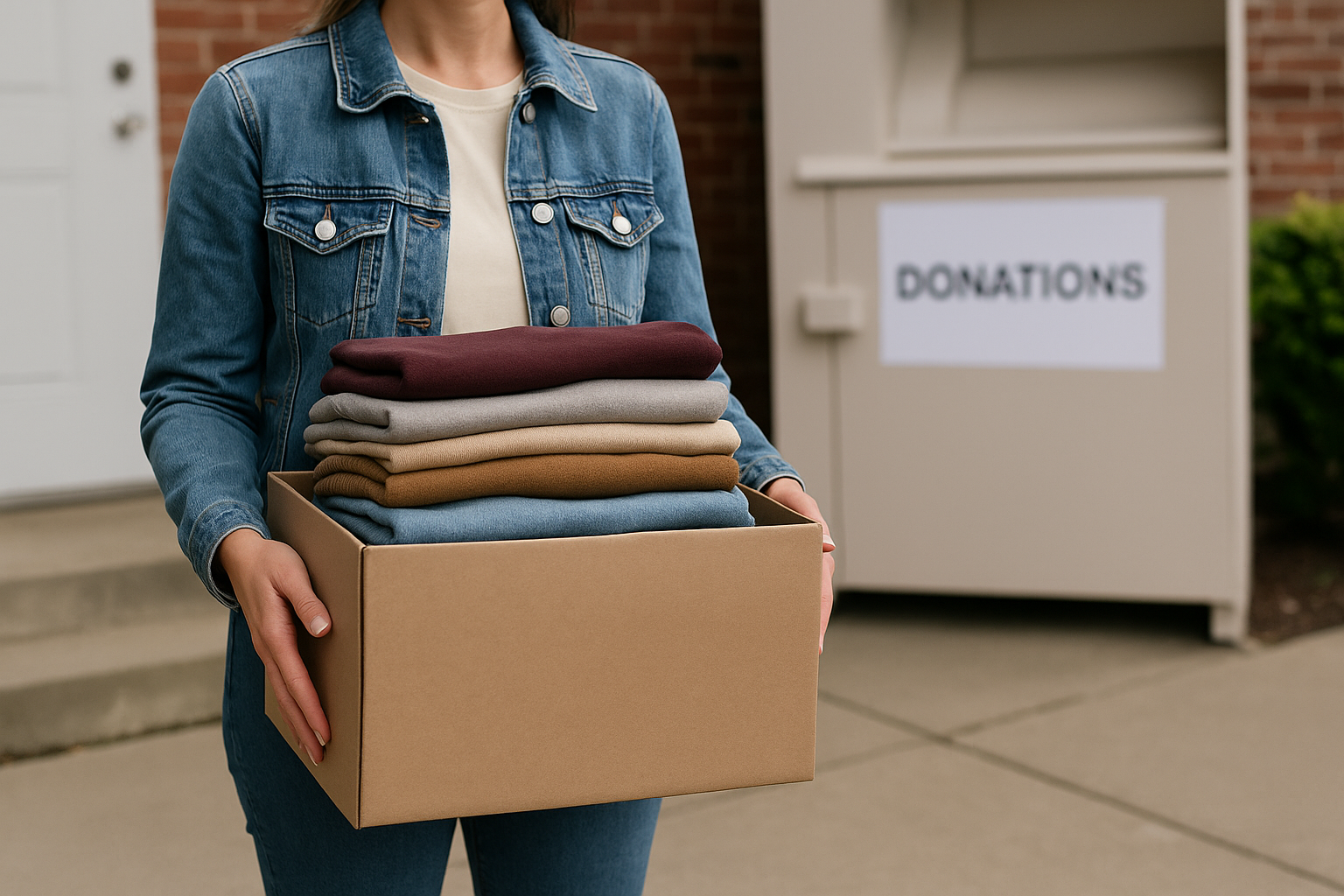
Understanding the Importance of Donating Clothes
Donating clothing is more than just clearing closet space. It plays a crucial role in sustainability, supports various charitable causes, and helps countless individuals in need around the world. Every year, millions of garments go to waste, contributing to ongoing environmental concerns. According to a report by the Ellen MacArthur Foundation, the average person throws away approximately 70 pounds of clothing annually, a number that has seen a steady increase over recent years.
In 2026, the focus on conscious consumerism and sustainability has only intensified. By deciding to donate clothes you no longer wear, you’re contributing to a cycle of re-use that ultimately minimizes textile waste and promotes environmental conservation.
Where to Donate Your Clothes
Local Charities and Thrift Shops
Local charities and thrift shops are often the first point of call. They provide clothing to individuals in local communities who may be struggling financially, offering a sense of dignity and self-worth. Popular options include:
- Goodwill: Known for its wide network of thrift stores, Goodwill accepts a variety of clothing items. The proceeds from sales fund job training programs and community-based services.
- Salvation Army: An international movement, the Salvation Army uses thrift shop proceeds to support addiction treatment centers, homeless shelters, and emergency relief programs.
Specialty Organizations
Certain organizations focus on specific types of clothing, making it a perfect match for surplus items you may have. Examples include:
- Dress for Success: This organization empowers women by providing professional attire necessary for job interviews and employment.
- Career Gear: Similar to Dress for Success but targeting men, Career Gear assists individuals in need by offering professional workwear.
Online Platforms
In recent years, online platforms have become an increasingly popular alternative for donating clothes, especially for those who prefer contactless philanthropy:
- ThredUp: As one of the largest online consignment and thrift stores, ThredUp features a "Clean Out Kit" that you can fill with clothes and send back to them. They resell suitable items and recycle those that can't be sold.
- Freecycle Network: This grassroots, non-profit movement of people offers online groups to give (and get) stuff for free in their communities, including clothing.
Understanding What Clothes To Donate
Not all clothing donations are created equal. Ensuring that your items are in good condition will help save the charities time and resources. Here are factors to consider when selecting which clothes to donate:
- Condition: Gently used, clean, and functional clothing are ideal. Avoid donating clothes that are stained, ripped, or badly worn.
- Seasonality: Donate season-appropriate clothing whenever possible. It helps organizations distribute these items timely to those in need.
The Environment and Second-Hand Clothing
Second-hand clothing has a profound impact on reducing environmental footprints. The fashion industry heavily contributes to global carbon emissions, and by donating clothes, you’re tacitly encouraging the practice of thrifting, which is a more sustainable means of commerce.
According to the World Economic Forum, buying second-hand clothing can save significant amounts of carbon emissions. For every garment that is recycled and not sent to a landfill, there is an equivalent reduction in carbon dioxide output.
How to Prepare Your Clothing Donations
Before donating, preparing your clothes adequately is a small yet meaningful effort that can greatly affect the efficacy of donations:
- Launder Your Items: Wash all clothing items to ensure they are clean and free from any possible allergens or odors.
- Repair Minor Damages: If possible, repair small tears or missing buttons to increase the item’s desirability and usability.
- Group Similar Items: Bundle similar types of clothing (e.g., all children's clothing) together to make sorting easier for charities.
Legal and Tax Considerations
Donating clothes can potentially provide tax benefits. In the United States, donations to qualifying organizations may be tax-deductible, but it is essential to keep detailed records of your donations. Check with a tax advisor to understand what’s applicable for you and ensure that you obtain receipts from the organization you’re donating to.
Conclusion
Donating clothes you no longer wear is an act of kindness that reverberates through communities and ecosystems alike. From supporting local charities to contributing to global environmental solutions, the impacts of donating clothes are significant and multi-faceted. In a time where sustainable practices are becoming increasingly necessary, your contributions not only clear out your wardrobe but also pave the way for a more sustainable future.
For more guidance and deeper dives into how you can further contribute to sustainable fashion initiatives, explore platforms like ThredUp and institutional insights via sources like the Ellen MacArthur Foundation.