Top Protein-Rich Foods That Are Perfect for Those Over 50
As we get older, getting enough protein is crucial, but chewing tough meats or preparing complex meals isn't always ideal. That’s why we've put together a simple guide comparing some of the most convenient and easy-to-consume protein options available today.
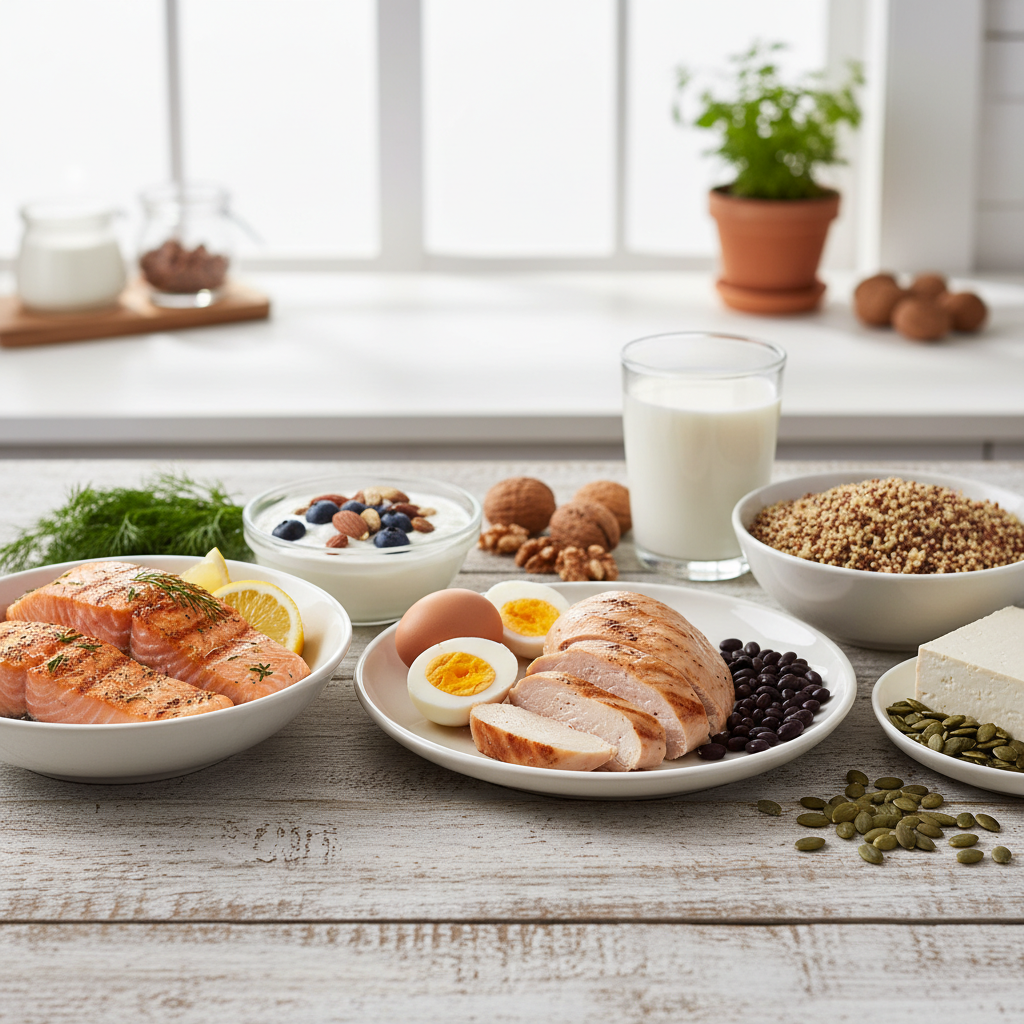
Top Protein Sources That Are Easy to Consume
As we age, our dietary needs shift, and getting enough protein becomes increasingly important for maintaining muscle mass, bone health, and overall vitality. However, factors like changes in appetite, dental issues, or simply a desire for convenience can make consuming traditional protein sources challenging. Fortunately, there are many nutrient-dense, high-protein foods that are soft, easy to prepare, and gentle on the digestive system. Below are some of the best choices for individuals over 50.
1. Greek Yogurt
Greek yogurt is a nutritional powerhouse, celebrated for its thick, creamy texture and impressive protein content. A typical single-serving container can pack between 15 to 20 grams of protein, significantly more than regular yogurt. This makes it an incredibly efficient way to boost your protein intake in a small portion. The straining process that gives Greek yogurt its texture also removes much of the whey and lactose, which may make it easier for some people to digest.
Beyond protein, Greek yogurt is a fantastic source of probiotics, the beneficial bacteria that support a healthy gut microbiome, which is crucial for digestion and immune function. It's also rich in calcium, essential for maintaining bone density and preventing osteoporosis. Its versatility is another major advantage; it can be enjoyed plain, mixed with fruit and nuts for added fiber and healthy fats, or even used as a healthier substitute for sour cream in savory dishes.
2. Cottage Cheese
Often overlooked, cottage cheese is another excellent soft-textured protein source. It is particularly high in casein, a slow-digesting protein that provides a steady release of amino acids to your muscles over several hours. This can be especially beneficial for muscle repair and maintenance, making it a great option for a snack before bed. A single cup of low-fat cottage cheese can deliver over 25 grams of protein, making it one of the most protein-dense foods available.
Like Greek yogurt, cottage cheese is versatile. It can be paired with fruit like peaches or berries for a sweet and satisfying snack, or mixed with chives, black pepper, and other seasonings for a savory spread on crackers. Look for varieties with live and active cultures for an added probiotic benefit. It’s also a good source of selenium, an important antioxidant, and phosphorus, which works alongside calcium to support strong bones.
3. Eggs
Eggs are often referred to as nature's perfect protein for good reason. A single large egg contains about 6 grams of high-quality, complete protein, meaning it provides all nine essential amino acids your body needs. The best part is their soft, easy-to-chew texture when cooked. Scrambled, poached, or soft-boiled eggs are incredibly easy to eat, even for those with dental challenges.
In addition to protein, eggs are rich in several vital nutrients that are particularly important for older adults. They are one of the best dietary sources of choline, a nutrient crucial for brain health, memory, and nerve function. They also contain lutein and zeaxanthin, antioxidants that have been shown to support eye health and reduce the risk of age-related macular degeneration. They are quick to prepare, affordable, and can be incorporated into any meal of the day.
4. Canned Fish (Tuna, Salmon, Sardines)
Canned fish like tuna, salmon, and sardines offer a fantastic combination of convenience and nutrition. They require no cooking and have a soft, flaky texture that is easy to manage. A single can of tuna can provide over 20 grams of protein, while canned salmon offers a similar amount along with a significant dose of heart-healthy omega-3 fatty acids. These fats are renowned for their anti-inflammatory properties and their role in supporting cardiovascular and cognitive health.
Canned salmon and sardines with the bones are also exceptional sources of calcium and Vitamin D, a duo that is critical for bone density. The bones become soft and edible during the canning process, making them an easy way to get these nutrients. You can easily mash canned fish to make salads for sandwiches, mix it into pasta, or form it into patties for a simple meal.
5. Protein Shakes and Powders
For individuals with a diminished appetite or difficulty consuming solid foods, protein shakes can be an invaluable tool. Protein powders, which can be mixed with water, milk, or a milk alternative, offer a highly concentrated and easily digestible source of protein. A single scoop can provide 20 to 30 grams of protein, making it simple to meet daily requirements. Whey and casein are popular milk-based options, while plant-based choices like pea, soy, and hemp protein are excellent for those with dairy sensitivities or dietary preferences.
Protein shakes can also be customized to boost their nutritional value further. Blending the powder with fruit, spinach, yogurt, or nut butter can add fiber, vitamins, and healthy fats, creating a complete and balanced meal replacement. This is especially useful for a quick breakfast or a post-exercise recovery drink to help repair and build muscle tissue.
6. Tofu (Silken and Soft Varieties)
Tofu is a versatile plant-based protein made from soybeans. Silken and soft tofu varieties have a smooth, custard-like texture that requires minimal to no chewing, making them an ideal choice. Tofu is a complete protein and can be easily incorporated into a variety of dishes. Silken tofu is perfect for blending into smoothies, soups, and sauces to add a creamy texture and a protein boost without altering the flavor significantly.
Beyond its protein content, tofu is a good source of iron, calcium (if fortified), and manganese. As a plant-based food, it contains no cholesterol and is low in saturated fat, making it a heart-healthy option. It readily absorbs the flavors of marinades and spices, allowing for endless culinary possibilities, from a simple scramble to a rich, creamy soup.
7. Lentils and Beans
Lentils, beans, and other legumes are not only packed with plant-based protein but are also incredibly high in dietary fiber. Fiber is essential for digestive health, helping to maintain regularity and feed beneficial gut bacteria. When cooked thoroughly, lentils and beans become very soft and easy to eat. Lentil soup, for example, is a comforting and nutritious meal that is easy to consume.
A cup of cooked lentils provides about 18 grams of protein and over 15 grams of fiber. This combination of protein and fiber promotes satiety, helping you feel full and satisfied for longer, which can aid in weight management. Legumes are also rich in folate, iron, and potassium, nutrients that support energy production and cardiovascular health. They are an affordable and sustainable protein source that can be easily added to stews, soups, and salads.