Top Rated Winter Boots for Staying Warm This Season
When the temperature drops, having the right winter boots is non-negotiable. To find the best, we sifted through dozens of top-rated pairs, comparing them on the factors that matter most: warmth, waterproofing, comfort, and traction on slick surfaces.
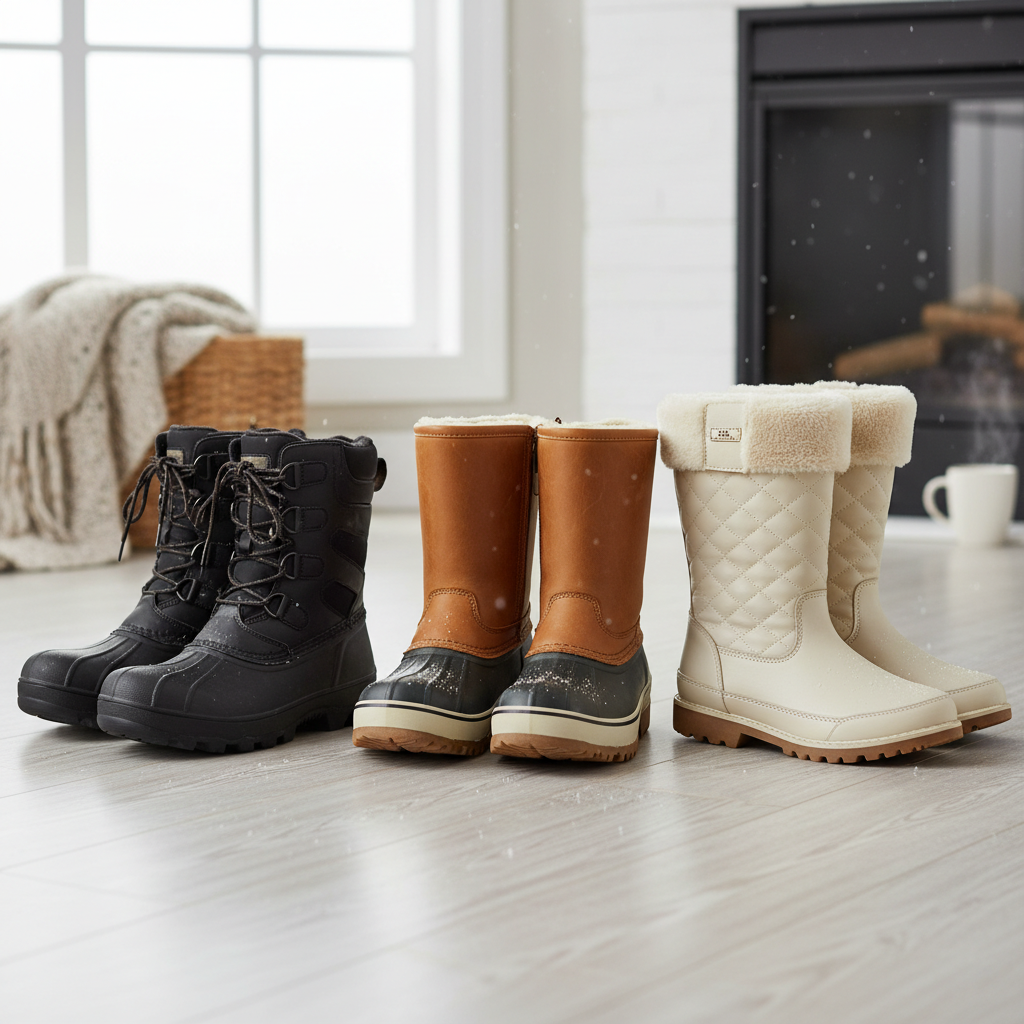
When the temperature plummets and snow begins to fall, a reliable pair of winter boots becomes an essential piece of gear. The right boots do more than just keep your feet warm; they provide critical protection from moisture, offer stability on slippery surfaces, and deliver comfort for hours of wear. The market is filled with options, but a few models consistently rise to the top in user reviews and expert ratings due to their superior materials, innovative technology, and durable construction. Here’s a look at some of the top-rated winter boots recognized for their exceptional performance in cold weather.
1. Sorel Caribou Boot
The Sorel Caribou is an iconic winter boot that has set the standard for decades. Instantly recognizable by its waterproof nubuck leather upper and handcrafted vulcanized rubber shell, this boot is built for heavy snow and harsh conditions. Its key feature is a 9mm removable felt InnerBoot, which provides outstanding insulation and can be taken out for easy drying overnight. This design makes it incredibly warm, with many models rated for temperatures as low as -40°F/-40°C. The AeroTrac non-loading outsole provides decent traction in deep snow, making it a favorite for those who need dependable warmth for activities like shoveling, winter chores, or short walks in extreme cold.
While the Caribou is celebrated for its warmth and durability, it's important to note its design characteristics. It is a heavier, bulkier boot, which makes it less ideal for long-distance hiking or high-intensity activities where agility is key. However, for anyone prioritizing maximum warmth and waterproof protection in a classic, time-tested package, the Sorel Caribou remains a top contender and a benchmark against which other winter boots are often measured.
2. Columbia Bugaboot Celsius Plus
Columbia has built a reputation for integrating advanced technology into its outdoor gear, and the Bugaboot series is a prime example. The Bugaboot Celsius Plus is highly rated for its impressive warmth-to-weight ratio, making it a fantastic all-around choice for active winter use. Its standout feature is the Omni-Heat Infinity reflective lining, a pattern of metallic gold dots that reflects your body heat back to your feet, significantly boosting warmth without adding bulk. This is combined with 400g of insulation, providing a powerful defense against the cold that doesn’t feel cumbersome.
Beyond warmth, the Bugaboot excels in comfort and traction. It features a Techlite+ midsole that delivers responsive cushioning and stability, making it comfortable enough for extended walks or winter hikes. The Adapt Trax outsole is engineered to provide exceptional grip on both wet and dry surfaces, including slick snow and ice. This combination of lightweight insulation, reflective technology, and superior traction makes it a versatile boot suitable for a wide range of winter activities, from everyday wear in a snowy city to light trail hiking.
3. Baffin Snow Monster
For those who face truly arctic conditions, the Baffin Snow Monster is engineered for the most extreme cold on the planet. This boot is less of an everyday piece of footwear and more of a specialized survival tool. Baffin is renowned for its multi-layer inner boot system, which combines various materials to wick moisture, trap heat, and provide a comfortable fit. The Snow Monster is temperature-rated down to an astonishing -94°F/-70°C, making it suitable for polar expeditions, ice fishing, or working in frigid industrial environments.
The construction is uncompromisingly rugged. It features a waterproof, insulated upper made from durable leather and a substantial rubber shell that extends high up the boot for complete protection from deep snow and slush. The outsole is made from a polar rubber compound that remains flexible in extreme cold to maintain traction, with aggressive lugs that bite into snow and ice. While its weight and stiffness make it unsuitable for casual use, the Baffin Snow Monster is consistently top-rated by individuals who require the absolute highest level of thermal protection available.
4. Merrell Thermo Chill Mid Waterproof
Merrell is a brand synonymous with hiking footwear, and they bring that expertise to their winter boot lineup with the Thermo Chill Mid. This boot is designed for the active user who doesn't let snow and ice stop them from hitting the trails. Unlike heavier pac boots, the Thermo Chill has a more athletic, streamlined fit that feels closer to a traditional hiking boot. It features an M Select™ DRY impermeable membrane that seals out water while letting moisture from your feet escape, ensuring you stay dry from both external and internal sources.
For warmth, it uses 200g of M Select™ WARM lightweight, low-bulk insulation, which is sufficient for keeping feet warm during high-exertion activities like snowshoeing or winter hiking. The Kinetic Fit™ BASE insole provides flexible support, and the molded nylon arch shank adds stability on uneven terrain. The outsole has 5mm lugs for confident traction, making the Merrell Thermo Chill a top-rated choice for anyone seeking a nimble, waterproof, and comfortable boot for active winter adventures.
5. UGG Adirondack III Boot
The UGG Adirondack III successfully blends the brand’s signature comfort with serious technical performance, earning it high ratings as a boot that is both stylish and functional. It’s a popular choice for those who want a boot that performs well in snowy conditions but also looks great for everyday urban wear. The boot is constructed with waterproof full-grain leather and suede, and all seams are sealed to prevent moisture from getting in. It’s cold-weather rated to -32°C (-25.6°F), making it far more than just a fashion statement.
Inside, the boot features a luxurious UGGpure™ wool lining that naturally wicks away moisture and provides exceptional warmth and cushioning. Another key feature is the cuffable shaft, allowing for versatile styling. For traction, UGG equipped the Adirondack III with a durable Vibram outsole that offers excellent grip on slippery and icy surfaces. This combination of premium materials, robust weatherproofing, and sophisticated style makes it a top-rated option for those who refuse to compromise on either performance or aesthetics.
Understanding the Technology Behind Warm Winter Boots
The performance of a top-rated winter boot comes down to the materials and technologies used in its construction. Modern advancements have moved beyond simple bulk, focusing on intelligent designs that provide maximum warmth and protection with minimal weight. Understanding these core components can help you appreciate what makes a great boot truly effective against the cold.
Insulation: The Engine of Warmth
Insulation is arguably the most critical feature. Its job is to trap air, which is then warmed by your body heat, creating a thermal barrier against the cold outside. Synthetic insulations are most common, with brand names like Thinsulate™ and PrimaLoft® leading the market. This type of insulation is measured in grams; a boot with 200g is suitable for cool weather or active use, while boots with 400g or more are designed for colder, less active conditions. Other boots utilize proprietary technologies, like Columbia’s Omni-Heat™, which uses a metallic lining to reflect body heat. Natural materials like wool, shearling, and felt are also excellent insulators, prized for their comfort and moisture-wicking properties.
Waterproofing: The First Line of Defense
Staying warm is impossible if your feet are wet. Waterproofing technology is essential for keeping snow, slush, and water out. Many top-tier boots use a waterproof, breathable membrane—a microscopic layer with pores too small for water droplets to enter but large enough for water vapor (sweat) to escape. GORE-TEX® is the most famous example, but many brands have developed their own effective proprietary membranes. In addition to a membrane, quality boots feature "seam-sealed" construction, where the stitching is taped over to prevent leaks. A "gusseted tongue," which connects the tongue to the upper along the sides, is another key feature that blocks debris and moisture from entering through the lace area.
Common Questions About Choosing and Maintaining Winter Boots
Selecting the right boot and caring for it properly ensures you get the best performance and longevity out of your investment. Here are answers to some frequently asked questions.
How Do You Find the Perfect Fit for Winter Boots?
Finding the right fit is more nuanced than with regular shoes. A common mistake is buying boots that are too snug. You need a little extra room in the toe box to allow for air to circulate; this trapped air is what your body heats up to keep your toes warm. If your toes are pressed against the end of the boot, circulation can be restricted, leading to colder feet. It's also crucial to try on boots with the type of socks you'll be wearing in the winter, as thick wool or synthetic socks take up significant space.
When trying on boots, check for "heel lift." A small amount of lift as you walk is normal, but if your heel is sliding up and down excessively, the boot is too big and can cause blisters. The ideal fit is snug around the heel and midfoot to provide support, but with enough room for your toes to wiggle freely. If possible, try on boots later in the day, as feet tend to swell slightly over time.
What Is the Difference Between Waterproof and Water-Resistant?
These terms are often used interchangeably, but they signify different levels of protection. Water-resistant boots are treated with a coating that causes water to bead up and roll off the surface. This is effective for light rain or minimal exposure to snow, but the material can become saturated during prolonged contact with moisture, eventually allowing water to seep through. This level of protection is often found in more casual or fashion-oriented boots.
Waterproof boots, on the other hand, are constructed to provide a complete barrier against water. This is achieved through a combination of waterproof materials (like rubber or treated leather) and an internal waterproof membrane. Furthermore, their seams are sealed to prevent any leakage. For anyone planning to walk through deep snow, stand in slush, or spend significant time in wet winter conditions, choosing a truly waterproof boot is essential for staying dry and warm.
Final Thoughts on Selecting Your Winter Footwear
Choosing the best winter boots ultimately depends on your specific needs, from the climate you live in to the activities you plan to undertake. For extreme cold and deep snow, a heavily insulated and robustly built boot like the Sorel Caribou or Baffin Snow Monster is ideal. For active pursuits like winter hiking, a lighter, more athletic option like the Merrell Thermo Chill provides the necessary blend of warmth, waterproofing, and agility. By focusing on the key features—insulation, waterproofing, traction, and fit—you can find a top-rated boot that will keep your feet warm, dry, and comfortable all winter long.