Top Tips for Boosting Your Gut Health Naturally
If you're looking for fast relief and a real boost to your digestive wellness, you’ve come to the right place. Improving your gut health doesn't have to be a slow or complicated process.
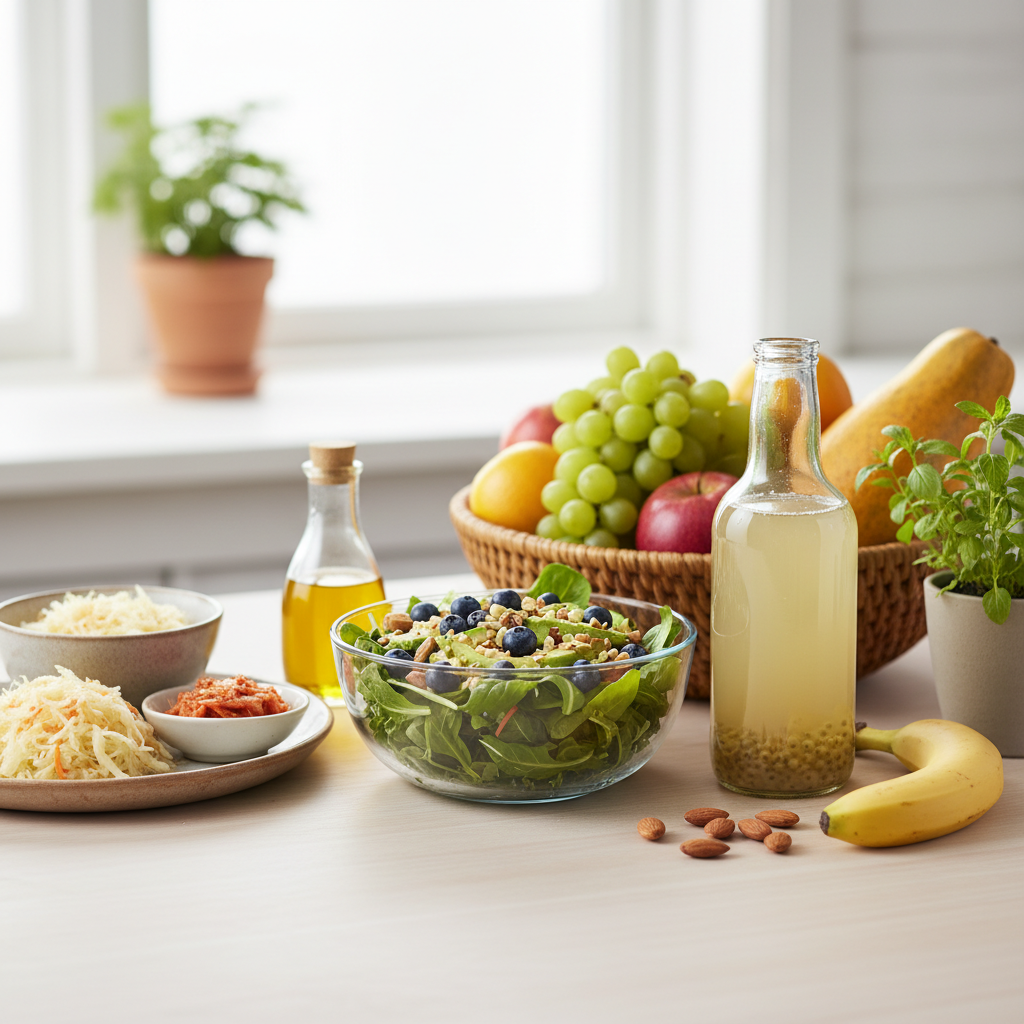
Immediate Steps for Better Gut Health
Improving your gut health is a journey, but certain targeted changes can bring noticeable relief and positive shifts relatively quickly. While long-term gut balance requires sustained effort, focusing on the following strategies can help you feel better in a matter of days or weeks by reducing inflammation, supporting beneficial bacteria, and improving digestion.
1. Prioritize Fiber-Rich and Fermented Foods
One of the fastest ways to influence your gut microbiome is by changing what you feed it. Your gut bacteria thrive on specific types of fiber known as prebiotics. These indigestible fibers pass through your digestive system and become fuel for beneficial bacteria like Bifidobacteria and Lactobacilli. Introducing foods rich in prebiotic fiber, such as garlic, onions, asparagus, bananas, and oats, can quickly begin to shift the balance of your gut flora towards a healthier state. This not only nourishes good bacteria but also helps them produce short-chain fatty acids (SCFAs) like butyrate, which is crucial for maintaining a healthy gut lining.
At the same time, incorporating fermented foods introduces probiotics—live beneficial bacteria—directly into your system. Foods like plain yogurt, kefir, sauerkraut, kimchi, and kombucha are packed with these helpful microbes. Consuming probiotics can help restore balance after a disruption, support digestive regularity, and even bolster your immune system. For a quick impact, try adding a serving of plain yogurt to your breakfast or a side of sauerkraut to your dinner. The combination of feeding your existing good bacteria with prebiotics and introducing new ones with probiotics creates a powerful synergy for rapid gut improvement.
2. Reduce Processed Foods, Sugar, and Artificial Sweeteners
Just as you can quickly support your gut with the right foods, you can also quickly harm it with the wrong ones. A diet high in processed foods, refined sugars, and artificial sweeteners can promote inflammation and feed less desirable bacteria and yeasts in your gut. These "bad" microbes thrive on simple sugars, and their overgrowth can lead to dysbiosis—an imbalance in your gut flora that contributes to bloating, gas, and digestive discomfort. By significantly cutting back on sugary drinks, packaged snacks, fast food, and sweets, you can effectively starve these unhelpful microbes and reduce gut inflammation.
Many artificial sweeteners, such as aspartame and sucralose, have also been shown in studies to negatively alter the composition of the gut microbiome. They can reduce the diversity of beneficial bacteria and may even contribute to glucose intolerance. Making a conscious effort to eliminate or drastically reduce these items from your diet for even a few days can lead to a noticeable decrease in bloating and an overall feeling of digestive calm as your gut environment begins to rebalance itself.
3. Hydrate Adequately Throughout the Day
Water is fundamental to nearly every bodily process, and digestion is no exception. Proper hydration is essential for maintaining the health of the mucosal lining of your intestines and for promoting the balance of good bacteria in your gut. The mucus layer acts as a protective barrier, preventing harmful pathogens from entering the bloodstream. Dehydration can compromise this barrier, potentially leading to inflammation and a less hospitable environment for your beneficial microbes.
Furthermore, water plays a critical role in breaking down food and absorbing nutrients. It helps soluble fiber dissolve, which creates a gel-like substance that aids in smooth digestion and prevents constipation. When you are dehydrated, your body pulls water from the colon, leading to harder stools and sluggish bowel movements. This can cause discomfort and allow waste to sit in your digestive tract for longer, which isn't ideal for gut health. Simply increasing your water intake throughout the day is a simple yet highly effective step for quick digestive improvement.
4. Incorporate Stress-Reduction Techniques
The connection between your brain and your gut, known as the gut-brain axis, is a powerful two-way communication highway. When you experience stress, your brain sends signals that can negatively impact your digestive system, leading to inflammation, increased gut permeability ("leaky gut"), and changes in gut motility. This is why periods of high stress often coincide with digestive issues like stomach cramps, bloating, or irregular bowel movements. Your gut microbes can also be affected, as stress hormones like cortisol can alter the composition of your microbiome.
To quickly improve gut health, actively managing stress is non-negotiable. You don't need to make drastic life changes overnight; even small, consistent practices can make a difference. Techniques like deep belly breathing for five minutes, a short meditation session using a guided app, a gentle walk in nature, or even journaling can help calm your nervous system. These activities reduce cortisol levels and can have an almost immediate soothing effect on your digestive tract, helping to alleviate stress-induced gut symptoms.
5. Get Quality Sleep
Sleep is when your body undergoes critical repair and restoration processes, and this includes your gut. A lack of quality sleep can disrupt the natural circadian rhythm of your gut microbes, leading to an imbalance in your flora. Research has shown that even just a couple of nights of poor sleep can alter the gut microbiome, reducing the diversity of beneficial bacteria and potentially increasing microbes associated with inflammation and metabolic issues. This disruption can leave you feeling sluggish and can exacerbate digestive problems.
Prioritizing seven to nine hours of quality sleep per night can be a powerful tool for rapid gut repair. To improve your sleep hygiene, try to establish a consistent sleep schedule, even on weekends. Create a relaxing bedtime routine, such as reading a book or taking a warm bath, and ensure your bedroom is dark, cool, and quiet. Avoiding caffeine in the afternoon and limiting screen time before bed can also significantly improve your ability to fall and stay asleep, giving your gut the uninterrupted time it needs to heal and thrive.