Top Tips for Finding Budget-Friendly Pet Insurance Coverage
Are you searching for cost-effective pet insurance? Navigating the world of affordable pet insurance can be a daunting task, but worry not! Discover simple strategies to find the best coverage for your furry friend without breaking the bank.
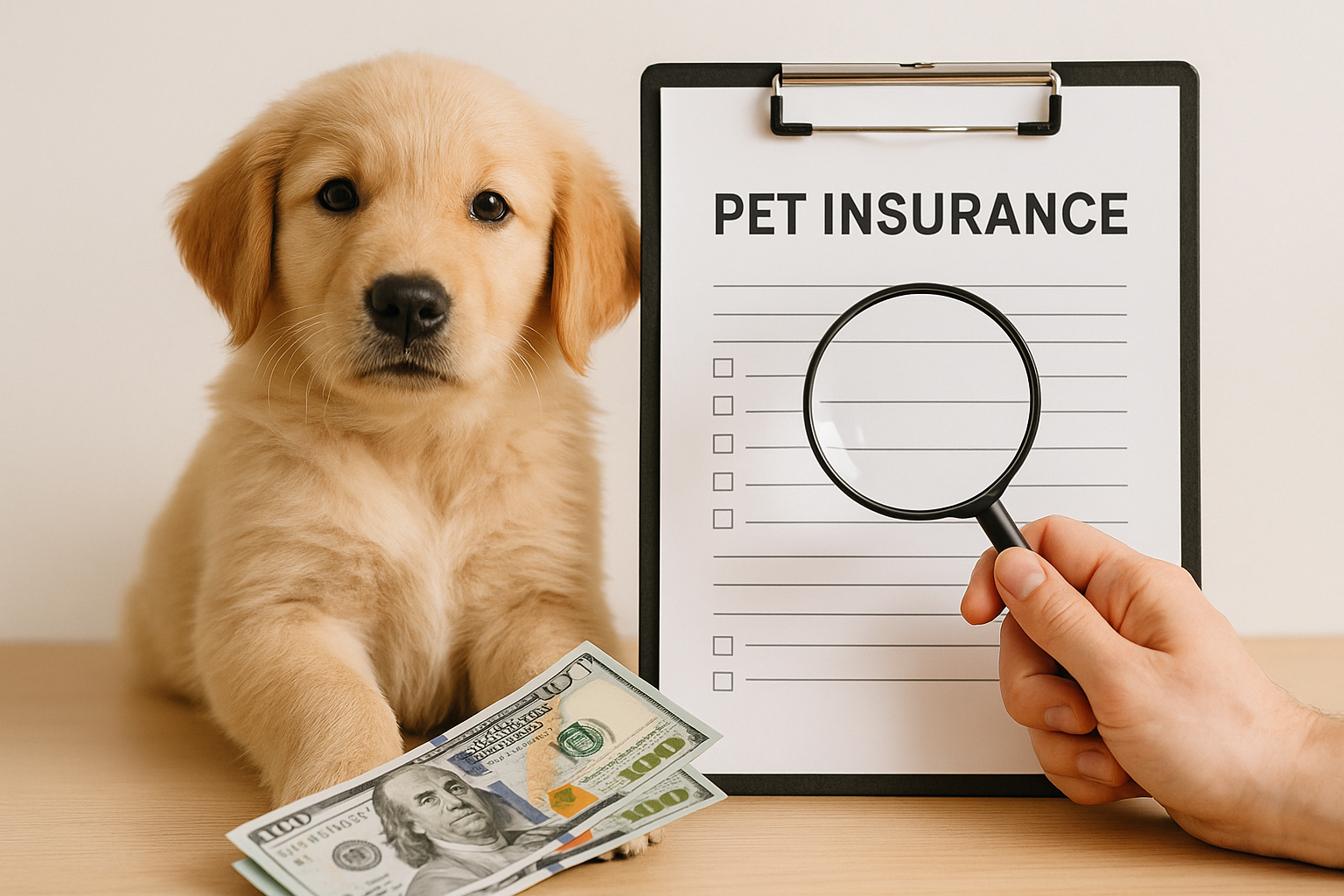
Understanding the Importance of Pet Insurance
Pet insurance is often overlooked by pet owners who may underestimate its value until faced with unexpected veterinary expenses. In today’s fast-paced world, where the cost of veterinary care continues to rise, having a reliable pet insurance policy can be a financial lifesaver. Making an informed decision about pet insurance ensures not only your peace of mind but also the well-being of your furry friend.
In 2026, the ASPCA reported that common procedures for pets, such as dental extractions or fracture repairs, can range from $500 to $3,000. Without insurance, such costs can strain a household’s finances. Pet insurance helps mitigate these expenditures, enabling owners to provide comprehensive healthcare for their pets without a significant financial burden.
Types of Pet Insurance Coverage
To get the most affordable pet insurance, it's essential to understand the types of coverage available. Here are the three main categories:
Accident-Only Coverage
This is the most basic type of pet insurance, covering injuries from accidents like fractures or bite wounds. It’s a less expensive option, ideal for pet owners looking to shield themselves from sudden accidents without paying for a full-fledged policy.
Accident and Illness Coverage
This type encompasses both accidents and a wide array of illnesses, from DNA tested genetic conditions to common seasonal infections. It represents the middle ground in coverage, often recommended for comprehensive care at an affordable rate.
Comprehensive Coverage
Comprehensive plans are the most inclusive, covering accidents, illnesses, and preventive care like vaccinations and annual check-ups. This form of insurance provides wide-ranging protection but can be more costly than other options.
Factors Affecting the Cost of Pet Insurance
Understanding what influences pet insurance premiums can help you find a policy that provides value for money. Key factors include:
- Pet's Age: Younger pets typically have lower premiums as they are less prone to illnesses compared to older animals.
- Breed: Some breeds are predisposed to certain health issues, impacting the cost of insurance.
- Location: Veterinary costs vary by region, and insurance providers adjust their rates accordingly.
- Choice of Coverage: Comprehensive plans cost more but provide broader coverage compared to basic plans.
Easy Ways to Get Affordable Pet Insurance
If you are looking to secure pet insurance without breaking the bank, consider these strategies:
Compare Pet Insurance Providers
Shopping around and comparing quotes from various providers is an effective way to ensure you get a competitive rate. Online comparison tools in 2026 make this process easier by allowing you to tailor coverage according to your preferences and budget.
An independent consumer report from this year suggests that policy premiums can vary by as much as 50% for similar coverage options. Make ample use of resources like Pet Insurance Review or Numbeo to assess the best options for your pet.
Choose a Higher Deductible
Opting for a higher deductible can significantly lower your monthly premium. However, balance is crucial: ensure that the deductible is not so high that it disrupts your financial stability during a claim.
Utilize Discounts
Many providers offer discounts for multiple pets or if you purchase other types of insurance (like home or auto) from them. Ask about any available promotions or discounts to reduce your premium costs.
Preventive Care and Healthy Habits
Maintaining your pet's health through regular check-ups and vaccinations may lead to lower insurance costs. Healthier pets pose less risk to insurers, potentially resulting in reduced premiums over time.
Choosing the Right Insurance for Your Pet
Ultimately, the "right" pet insurance is one that suits your pet’s needs and your financial situation. Consider factors such as coverage limits, exclusions, customer service reputation, and claim processing efficiency when selecting your policy.
Real-World Example
Consider Claire, an owner of a two-year-old Labrador Retriever. After comparing several insurance providers, Claire opted for an accident and illness policy with a moderate deductible, which she found fit her financial situation and provided adequate coverage for her active pet. Claire leveraged a new customer discount and bundled her pet insurance with her existing home insurance, saving a substantial amount on her annual premium.
Conclusion
Informed decisions about pet insurance can provide significant benefits both financially and health-wise for your beloved animal. By understanding the types of coverage, the factors affecting insurance costs, and strategies to find affordable options, you're better equipped to navigate the pet insurance market. Remember, the peace of mind and potential savings far outweigh the initial effort of researching and securing a suitable policy for your pet's needs.