Trade In vs Selling Your Car: A Practical Guide to Making the Right Choice
Discover the ins and outs of trading in versus selling your car in our comprehensive guide. Learn essential insights and compare options to find the best approach for you.
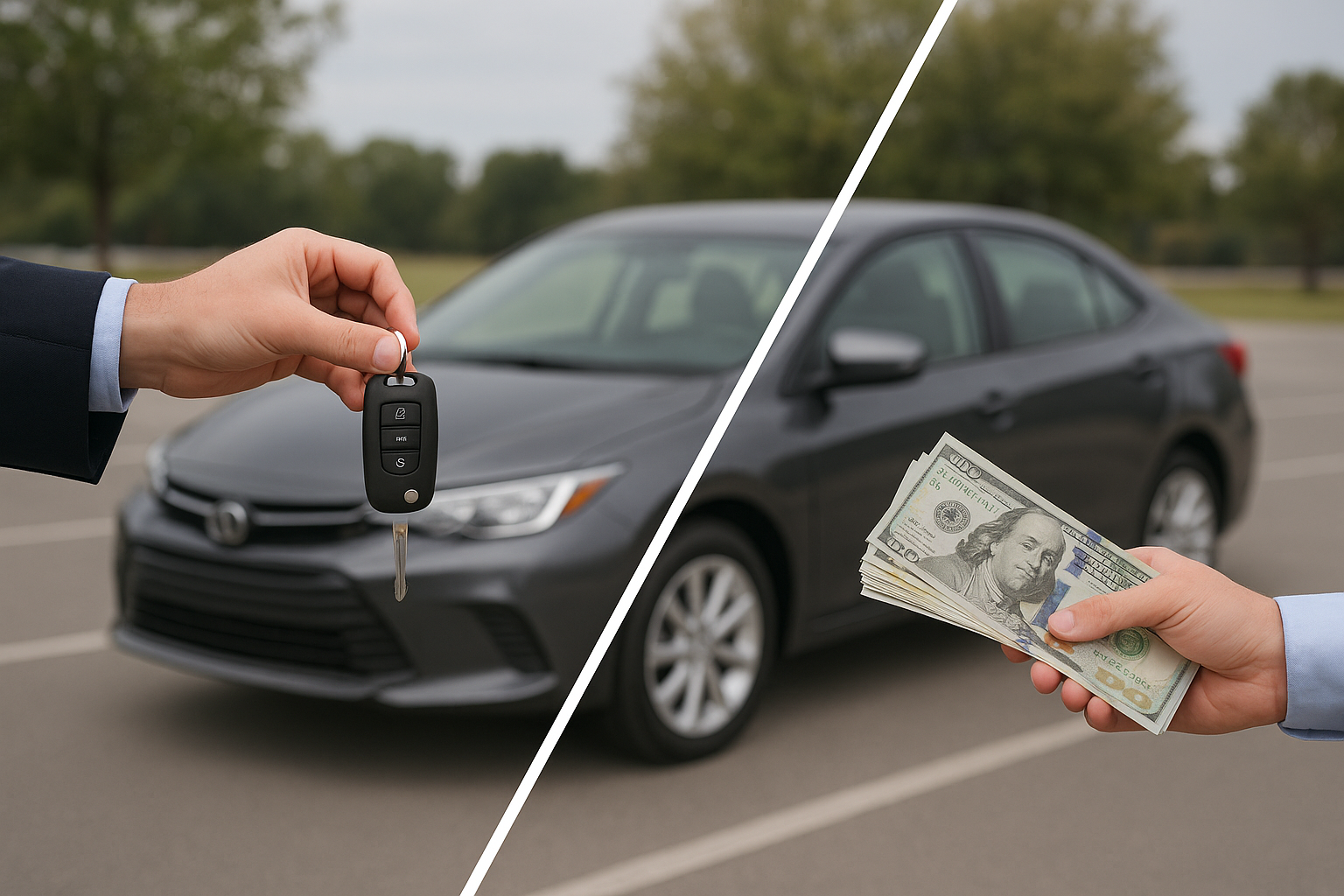
Understanding Your Options: Trade-In vs. Selling Your Car
When it's time to part ways with your current vehicle, you're faced with deciding whether to trade it in at a dealership or sell it privately. This guide aims to help you make an informed decision by diving into the key considerations, benefits, and drawbacks of each option. By the end of this guide, you'll have the knowledge to choose the best route for your needs and circumstances.
Key Questions to Consider
Before deciding whether to trade in or sell your car, reflect on the following questions:
- How quickly do you need to sell the car?
- Are you comfortable negotiating with buyers or dealers?
- What is the current market value of your car?
- How much effort are you willing to invest in the selling process?
Benefits of Trading In Your Car
Trading in your car is a popular option because of its convenience. Here's why many choose this route:
- Time-Saving Option: Trading in is often less time-consuming than private sales since dealerships handle much of the paperwork.
- Immediate Transaction: You can often apply the trade-in value directly towards your next vehicle purchase, simplifying the process.
- Reduced Tax Liability: In many states, you only pay sales tax on the difference between the new car and the trade-in value. This can mean significant savings.
While trading in is convenient, dealerships typically offer less than the market value. For example, a 2026 study by Kelley Blue Book found that selling price offers from dealers were 15% lower than private sale prices on average. (Kelley Blue Book, 2026)
Drawbacks of Trading In Your Car
Despite the convenience, there are some reasons you might consider other options:
- Less Competitive Pricing: Dealers aim to profit from your car sale, which often results in a lower offer.
- Negotiation Challenges: Trading in your car may limit your ability to negotiate the terms of your new vehicle purchase separately.
Benefits of Selling Your Car Privately
Selling your car privately often involves more effort but can potentially reward you with higher financial gains:
- Higher Sale Price: By selling privately, you can set a price closer to your car's market value, potentially earning up to 20% more according to the 2026 Auto Trader report. (Auto Trader, 2026)
- Total Control: You decide when, where, and to whom you sell your car, giving you complete control over the process.
- Negotiation Flexibility: Without dealer involvement, you have the freedom to negotiate based on your priorities and the buyer's offer.
Drawbacks of Selling Your Car Privately
While potentially more profitable, selling your car privately can have its own set of challenges:
- Time and Effort Intensive: The process can be time-consuming, involving advertising, meeting potential buyers, and handling negotiations.
- Risk of Scams or Fraud: Private sales can be more vulnerable to scams; therefore, it's crucial to vet buyers carefully.
- Handling Paperwork: You will be responsible for managing all necessary paperwork, including title transfers and bill of sale documentation.
How to Decide: Trade-In or Sell Privately?
Your final decision should be driven by your personal circumstances and preferences. Here are some factors that can guide you:
Financial Considerations
If maximizing your financial return is a priority, selling privately may be the better choice. Evaluate your car's estimated market value using resources like Kelley Blue Book or Edmunds, then compare this with trade-in offers from several dealerships.
Time and Convenience
If you need a quick and convenient sale, trading in could be the right move. However, it may also be wise to consider online platforms that offer car buying services if you require a fast transaction but want to avoid lower trade-in offers.
Comfort with Sales and Negotiation
Selling privately involves active participation in marketing and negotiating. If this doesn't appeal to you, trading in provides a hands-off alternative. If you decide to sell privately, resources like 'Consumer Reports' have guides to help prepare your car for sale.
Final Thoughts
Choosing to trade in or sell your car is a significant decision with financial and practical implications. Each method has its pros and cons, and the best choice depends on your unique situation, financial goals, and personal preferences. By carefully weighing the options and considering the current market conditions, you can make an informed choice that best suits your needs and helps you transition smoothly from your old vehicle to your next.
References