Transform Your Fitness Routine: Top Reasons to Join Zumba Classes in 2026
Thinking about joining a Zumba class in 2026? You're in the right place. Beyond just being a fun way to burn calories, modern Zumba offers a unique blend of physical, mental, and social benefits that are more relevant than ever.
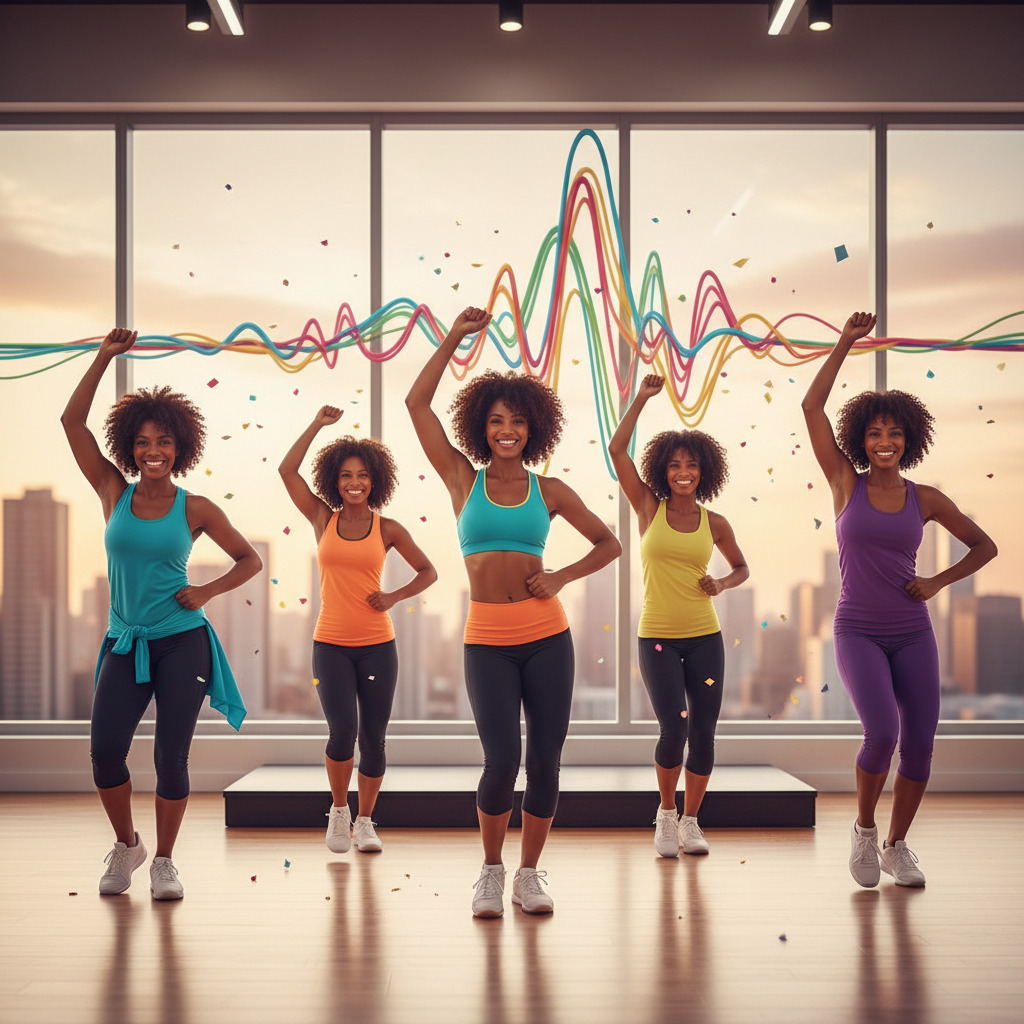
Here's Why Zumba Classes Are Worth Joining In 2026
1. A Full-Body Workout That Doesn’t Feel Like Work
One of the most significant reasons for Zumba's enduring popularity is its ability to provide a comprehensive, full-body workout disguised as a dance party. Unlike traditional workouts that can feel repetitive or monotonous, Zumba sessions are built around dynamic, high-energy music and choreography. The movements are inspired by various Latin and international dance styles, including salsa, merengue, cumbia, and reggaeton, which naturally engage multiple muscle groups simultaneously. You'll find yourself working your core, legs, glutes, and arms without even realizing it.
This "exercise in disguise" approach is a powerful motivator. Instead of counting reps or watching the clock, participants are focused on following the instructor, feeling the rhythm, and having fun. This distraction from the physical exertion can lead to longer, more consistent workouts. By 2026, as people continue to seek enjoyable and sustainable fitness routines, Zumba’s unique blend of fitness and entertainment will remain a top choice for those who want to get in shape without the grind of a typical gym session.
2. Major Cardiovascular Health Benefits
At its core, Zumba is a high-intensity interval-style aerobic workout. The classes are structured with alternating fast and slow rhythms, a method proven to be highly effective for improving cardiovascular health. This interval training approach gets your heart rate up during the high-energy dance numbers and allows it to come down during the slower tracks, which helps improve your heart's efficiency and endurance over time. Regular participation can lead to a lower resting heart rate, reduced blood pressure, and improved circulation.
The American Heart Association recommends at least 150 minutes of moderate-intensity aerobic activity per week. A single hour-long Zumba class can help you make significant progress toward this goal. The constant movement and engaging pace make it an excellent way to strengthen your heart muscle, increase your lung capacity, and reduce the risk of chronic diseases. For anyone looking to boost their heart health in a fun and engaging way, Zumba is an outstanding option.
3. Proven Stress Reduction and Mental Health Boost
The mental health benefits of Zumba are just as compelling as the physical ones. Exercise, in general, is a well-known stress reliever, as it prompts the release of endorphins—the body's natural mood-boosting chemicals. Zumba amplifies this effect. The combination of upbeat music, expressive dance movements, and a positive social environment creates a powerful antidote to daily stress and anxiety. Concentrating on the steps and the rhythm requires you to be present in the moment, offering a form of active meditation that can clear your mind of worries.
Many participants report leaving a class feeling happier, more energized, and mentally refreshed. This "Zumba high" can have lasting effects on overall well-being. In a world where mental health is increasingly prioritized, fitness options that actively contribute to a positive mindset are invaluable. Zumba provides a joyful escape that allows you to literally dance your worries away, making it a key tool for mental wellness in 2026 and beyond.
4. Improved Coordination, Balance, and Body Awareness
Zumba choreography involves moving different parts of your body in sync with the music. While it might feel challenging at first, regularly attending classes significantly improves your coordination and proprioception (your awareness of your body's position in space). You learn to isolate movements, coordinate your arms and legs, and transition smoothly between different steps. This isn't just useful on the dance floor; it translates directly into everyday life, enhancing your balance and making you less prone to injuries from falls or clumsy movements.
This skill development can also boost self-confidence. Mastering a new dance routine or simply feeling more in control of your body is incredibly empowering. As you become more comfortable with the movements, you'll notice an improvement in your posture and grace. This enhanced body awareness is a functional benefit that supports better physical performance in all aspects of life.
5. An Inclusive and Welcoming Community Atmosphere
Unlike some competitive fitness environments, Zumba classes are designed to be inclusive, non-judgmental, and community-oriented. There is no pressure to perform perfectly; the emphasis is on moving your body and having a good time. The party-like atmosphere fosters a sense of camaraderie among participants, who often form friendships and support networks. Instructors are trained to create a welcoming space where everyone, regardless of their age, size, or dance experience, feels comfortable.
This social aspect is a critical component of long-term adherence to a fitness program. When you feel like you're part of a group and look forward to seeing your classmates, you're far more likely to stay consistent. This built-in support system provides motivation on days when you might otherwise skip a workout. For those seeking not just a fitness class but a place to connect with others, Zumba offers a powerful sense of belonging.
6. Adaptable for All Fitness Levels
A common misconception is that you need to be a great dancer or already in shape to join a Zumba class. In reality, the program is built on the principle of accessibility. Instructors typically show low-impact and high-impact versions of the moves, allowing participants to choose the intensity level that works best for them. A beginner can follow the basic steps, while a more advanced participant can add more energy, jumps, and flair to their movements.
Furthermore, the Zumba brand has expanded to include various specialty classes tailored to different needs. For example, Zumba Gold is designed for active older adults, offering modified, low-impact choreography. Aqua Zumba takes the party to the pool, providing a joint-friendly workout with added water resistance. This adaptability ensures that almost anyone can find a Zumba class that suits their physical abilities and fitness goals, making it a truly universal fitness solution.
The Journey of Zumba: From Happy Accident to Global Phenomenon
The story of Zumba is as energetic as its classes. It all began in the mid-1990s in Cali, Colombia, with a "happy accident." Fitness instructor Alberto "Beto" Pérez was on his way to teach an aerobics class when he realized he had forgotten his traditional aerobics music. Improvising, he grabbed the only tapes he had in his backpack—a mix of traditional salsa and merengue music he loved. Instead of teaching a standard aerobics class, he led a spontaneous dance-fitness session, and his students absolutely loved it.
Recognizing he had created something special, Beto refined his new class format. In 2001, he moved to Miami and partnered with entrepreneurs Alberto Perlman and Alberto Aghion to officially launch the Zumba brand. They started by selling DVDs through infomercials, and the program's popularity exploded. Soon, they developed an instructor training program to meet the soaring demand for live classes. Today, Zumba is a global phenomenon, with millions of people taking classes every week in over 180 countries. Its success lies in its simple, fun-first philosophy, which has revolutionized the group fitness industry by proving that working out can be a joyful celebration of movement and music.
Answering Your Top Zumba Questions
What Should You Expect in Your First Zumba Class?
Walking into your first Zumba class can be exciting, but it's normal to feel a bit nervous. The first thing you'll notice is the vibrant, high-energy music. Classes typically start with a warm-up song to get your body moving and heart rate up gradually. The instructor will then lead you through a series of dance routines set to different international rhythms. Don't worry about getting every step right; the instructor will use non-verbal cues (like pointing or hand signals) to guide you through the choreography, and the steps are often repetitive and easy to follow.
It's best to wear comfortable, breathable athletic clothing and supportive cross-training or dance sneakers that allow for side-to-side movements. Bring a water bottle and a towel, as you will definitely sweat! The class usually lasts between 45 to 60 minutes and ends with a cool-down track featuring slower music and stretching to help your body recover. The main goal is to keep moving and have fun, so just relax, follow the instructor as best you can, and enjoy the party.
Zumba vs. Other Dance Fitness Classes: What's the Difference?
While there are many dance-based fitness classes available, Zumba has a distinct flavor. The primary difference lies in its foundation of Latin and international music and dance styles. The choreography is built around four core rhythms: salsa, merengue, cumbia, and reggaeton. This gives Zumba its signature "fitness-party" vibe. Other popular formats, like hip-hop cardio or Broadway-themed classes, focus on different genres of music and dance vocabulary.
Another key differentiator is the structure. Zumba follows an intermittent training model, naturally alternating between high-intensity and lower-intensity songs, whereas some other dance fitness programs might maintain a steady high-intensity pace throughout. Ultimately, the best choice depends on personal preference. If you love global rhythms and want a workout that feels more like a celebration than a structured exercise class, Zumba is likely the perfect fit.
How Many Calories Can You Really Burn in a Zumba Class?
The number of calories burned during a Zumba class can vary widely based on several factors, including the intensity of the class, your body weight, your fitness level, and how much effort you put in. On average, a person can expect to burn anywhere from 300 to 900 calories in a one-hour session. A smaller individual working at a moderate intensity will be on the lower end of that spectrum, while a larger individual moving with high energy throughout the class can reach the upper end.
The interval-style nature of Zumba is highly effective for maximizing calorie burn. The bursts of high-intensity dance get your heart rate soaring, while the slower songs provide a brief recovery period, keeping your metabolism elevated. However, it's important not to focus solely on the numbers. The most important thing is that you're moving your body, improving your health, and enjoying yourself, which will lead to more consistent participation and better long-term results.
Conclusion
Looking ahead to 2026, Zumba remains a premier fitness choice for a multitude of reasons. It effectively combines a full-body workout with the joy of dance, making exercise feel less like a chore and more like a celebration. Its significant cardiovascular and mental health benefits, coupled with its ability to improve coordination and foster a strong sense of community, make it a holistic approach to wellness. With its adaptable format suitable for all fitness levels and ever-evolving routines, Zumba continues to be a relevant, effective, and incredibly fun way to stay active and healthy.
For more information you can visit: