Uncover How Vehicle Donation Programs Will Benefit Charities in the U.S. by 2026
Discover the ins and outs of vehicle donation programs in the U.S. by 2026 and how they can benefit donors and charities alike. Learn about the steps involved in donating a car, the tax implications, and how to choose the right program for you.
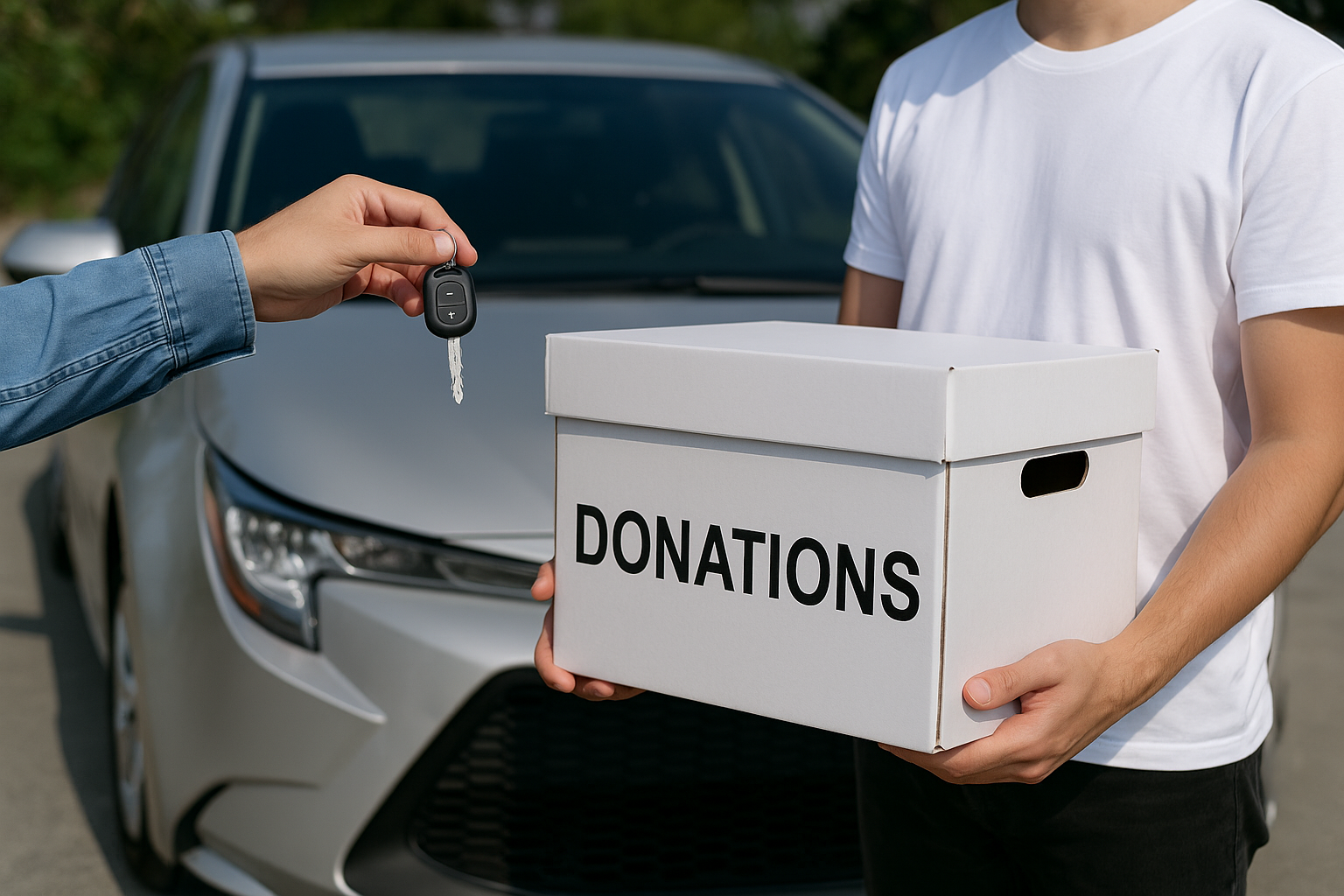
Understanding Vehicle Donation Programs in the U.S. in 2026
Vehicle donation programs have become an increasingly popular way for individuals to contribute to various charitable causes while also benefiting from potential tax deductions. In 2026, these programs continue to offer a win-win scenario for donors and charitable organizations alike. This article will delve into how these programs work, what benefits they offer, and what important considerations you need to keep in mind.
What Are Vehicle Donation Programs?
Vehicle donation programs are initiatives that allow individuals to donate their unwanted or unused vehicles to charities. These programs are managed either directly by charitable organizations or through intermediary companies that handle the logistics of the donation process.
The process typically involves the donor contacting the charity or intermediary, arranging the pickup or drop-off of the vehicle, and receiving a receipt for the donation. The proceeds from the sale or repurposing of the vehicle are then used to support the charity's missions.
How to Donate a Vehicle
Donating a vehicle usually involves a few straightforward steps:
- Choose a Charity: Research and select a charitable organization whose mission resonates with you. Many charities, such as Goodwill, the American Red Cross, and local nonprofits, accept vehicle donations.
- Contact the Organization: Reach out to the charity to initiate the donation process. This can often be done through their website or by phone.
- Provide Vehicle Details: You will need to provide information about the vehicle, including make, model, year, and condition.
- Arrange Pickup: Most organizations offer free towing, and you can schedule a convenient time for the vehicle to be picked up.
- Receive a Receipt: Once the vehicle is picked up, you will receive a receipt confirming your donation, which is necessary for tax deduction purposes.
Benefits of Donating a Vehicle
Donating a vehicle offers several advantages:
- Tax Deductions: Donors may qualify for a tax deduction based on the vehicle's resale value or its fair market value up to $500. If the charity sells the vehicle for more than $500, the deduction is based on the sale price.
- Support a Cause: By donating your vehicle, you provide financial support to a charity, helping them advance their programs and services.
- Convenience: Vehicle donation programs handle the entire process, making it a simple and hassle-free way to dispose of an unwanted vehicle.
- Environmental Impact: Donating a vehicle can be more environmentally friendly than sending it to a landfill, as it may be auctioned or recycled.
Considerations Before Donating
Before proceeding with a vehicle donation, keep the following considerations in mind:
- Charity Credibility: Research the charity to ensure it is reputable and recognized by the IRS as a 501(c)(3) organization. Websites like Charity Navigator or GuideStar can provide useful insights.
- Tax Implications: Consult with a tax advisor to understand how the donation will affect your tax situation and to ensure you maximize your potential deduction.
- Vehicle Title: Ensure you have the vehicle's title, as it is generally required to transfer ownership.
- Fair Market Value: Familiarize yourself with the vehicle's fair market value using tools such as Kelley Blue Book or Edmunds, as this can help set expectations for potential tax deductions.
Recent Trends and Statistics
In 2026, the vehicle donation industry continues to grow, with many charities seeing increases in automobile donations partly due to the economic benefits and convenience they offer. According to a report by the CharityWatch, over 3 million vehicles are donated annually in the U.S., generating more than $700 million in funds for charitable organizations.
Additionally, data from IRS.gov highlights that vehicle donations have been a significant source of funding for many nonprofits, enabling them to expand their outreach and service offerings.
Conclusion
Vehicle donation programs provide a practical and philanthropic opportunity for individuals looking to support charitable causes while managing their unused assets. By understanding the process, benefits, and considerations involved, you can make an informed decision that aligns with your charitable and financial goals. Whether you're motivated by the potential tax deductions, the desire to aid a worthy cause, or simply looking to clear space in your garage, donating your vehicle is a meaningful way to make a difference.