Uncover the Truth: Are Seized Boats Really Sold at a Discount?
The short answer is yes, seized boats are frequently sold at a significant discount. However, scoring a great deal involves more than just showing up to an auction; you need to know where to find these sales, how to spot potential risks, and what the bidding process actually entails.
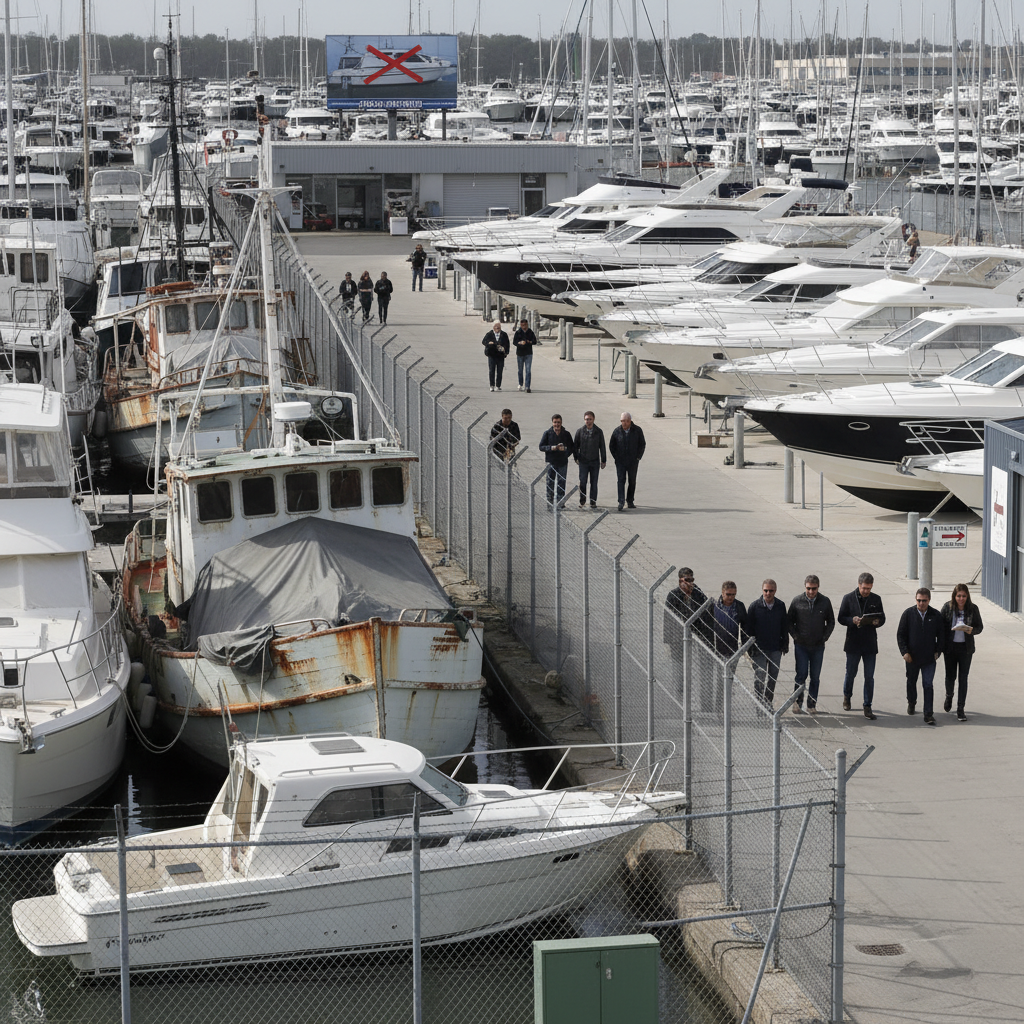
The Truth About Seized Boat Pricing: A Deep Dive
The allure of buying a seized boat is undeniable. Visions of acquiring a luxury yacht or a sturdy fishing vessel for pennies on the dollar are common, fueled by stories of incredible deals found at government auctions. The direct answer to the question is yes, seized boats are often sold at a significant discount compared to their market value. However, this "discount" comes with a host of critical caveats and potential pitfalls that every prospective buyer must understand.
The primary reason for the lower prices is the nature of the sale itself. These boats are typically sold by government agencies, banks, or lenders whose main goal is to liquidate the asset quickly. They are not in the business of being boat dealers. Their priority is to recover funds owed, cover storage costs, and move the asset off their books as efficiently as possible. This motivation to sell quickly, rather than holding out for the highest possible price, creates an environment where bargains can be found.
Furthermore, these sales almost universally happen through auctions and are sold under "as-is, where-is" conditions. This term is crucial. It means the buyer accepts the boat in its current state, with all its faults, known or unknown. There are no warranties, no guarantees, and no recourse if you discover a major issue after the sale. This inherent risk is a massive deterrent for many buyers, which naturally suppresses the bidding and keeps final prices lower than what you'd see from a private seller or a professional broker who offers surveys and sea trials.
Why Are Seized Boats Sold in the First Place?
Understanding the backstory of a seized boat can help you appreciate the potential risks and rewards. These vessels end up on the auction block for several compelling reasons, none of which involve a happy owner meticulously maintaining their pride and joy.
- Criminal Activity: This is the most well-known reason. Federal and state agencies like the U.S. Marshals Service, DEA, and U.S. Customs and Border Protection seize boats used in illegal activities such as drug smuggling or human trafficking. These assets are then forfeited to the government and sold to the public, with proceeds often funding law enforcement operations.
- Loan or Mortgage Default: Just like a house or a car, a boat is often financed. When an owner fails to make their loan payments, the bank or financial institution has the right to repossess the vessel. These "repo" boats are then sold to recoup the outstanding loan balance.
- Tax Evasion or Unpaid Fees: The IRS or state tax authorities can seize high-value assets, including boats, to satisfy unpaid tax debts. Similarly, marinas can place a lien on a boat and eventually force its sale to cover long-overdue slip fees or storage costs.
In every one of these scenarios, the boat has likely been neglected. It may have been run hard during illicit activities, sat idle for months or years in an impound lot, or been poorly maintained by an owner in financial distress. This period of neglect is where many of the hidden problems—and hidden costs for the new owner—originate.
Where to Find Seized Boat Auctions
Finding these auctions requires a bit of research, as they are held by various entities across different platforms. There isn’t one central marketplace, so savvy buyers typically monitor several sources to find the best opportunities.
Government Seizure Auctions
These are the most famous type of seized asset sales. Federal agencies are often required by law to auction forfeited property to the public. These auctions can feature a wide variety of vessels, from small fishing boats to multi-million dollar yachts. Key places to look include:
- U.S. Marshals Service: This is one of the primary agencies responsible for selling assets seized in federal criminal cases. They contract with private companies to run their auctions.
- U.S. Department of the Treasury: The Treasury Department holds auctions for property seized by its various bureaus, including the IRS and Customs and Border Protection. These often feature a mix of vehicles, real estate, and marine vessels.
- State and Local Law Enforcement: Don't overlook county sheriffs' departments and local police. They also seize boats in local criminal cases and auction them off, often with less competition than the big federal sales.
Bank and Financial Institution Sales
When a bank repossesses a boat, they are highly motivated to sell it. They will often list the boat with specialized marine liquidators or auction houses that cater to the boating community. Searching for terms like "repo boats for sale" or "bank-owned boats" can lead you to websites and brokers that specialize in these types of sales. These boats may sometimes be in better condition than government-seized vessels, as the previous owner may have taken care of it before falling on hard financial times.
Private Auction Houses
Many government agencies and banks don't conduct auctions themselves. Instead, they hire third-party auction companies that specialize in vehicles, heavy equipment, or marine assets. These companies manage the entire process, from storage and marketing to running the online or in-person bidding. Following these major auction houses is an excellent strategy for finding a steady stream of seized and repossessed boats.
What to Know Before You Bid on a Seized Boat
Getting a great deal is possible, but going in unprepared is a recipe for financial disaster. The low initial price can be deceptive, and the true cost of a seized boat often reveals itself long after the auctioneer's gavel falls. Here are some of the most critical factors to consider before you even think about placing a bid.
The Absolute Necessity of Inspection
The "as-is" clause is not a suggestion; it's a strict rule. If you buy a boat with a cracked hull or a seized engine, that problem is now yours. Most auctions will have designated preview or inspection days. You absolutely must take advantage of this. If possible, hire a professional marine surveyor to accompany you. They are trained to spot issues that the average person would easily miss.
During an inspection, you should focus on several key areas. Check the hull for any signs of damage, blisters, or improper repairs. Look at the engine for corrosion, leaks, or frayed wiring. Inspect the electrical systems and electronics to see if they power on. Examine the condition of the sails, rigging, and upholstery. You also need to verify the paperwork, including the Hull Identification Number (HIN), to ensure it matches the vessel. A thorough inspection is your only defense against buying a money pit.
Understanding the Hidden Costs Beyond the Bid
Your winning bid is just the starting point. A host of other expenses will be added on before you can even take possession of the boat. Failing to budget for these can turn a perceived bargain into an overpriced headache.
- Buyer's Premium: Most auction houses charge a "buyer's premium," which is a percentage of the final bid price (often 10-15% or more). This fee goes directly to the auction company.
- Taxes and Fees: Sales tax will be due, just as with any other vehicle purchase. You will also have to pay for title transfer, registration, and potentially other state or local fees.
- Transportation: The boat is sold "where-is," meaning you are responsible for moving it from the auction site. This can be a significant expense, especially for larger boats that require professional transport services.
- Immediate Repairs and Maintenance: Assume the boat will need immediate work. At a minimum, this will likely include changing the oil, fuel filters, and batteries. More often than not, it will require much more extensive repairs to make it seaworthy and safe.
Is a Seized Boat a Good Investment?
For the right person, it can be an excellent investment. That person is typically someone with deep mechanical knowledge, the time and skills to perform repairs themselves, and a healthy budget for unexpected problems. If you can accurately assess a boat's condition and realistically estimate repair costs, you can indeed get a vessel for far below market value.
However, for the average recreational boater, the risks often outweigh the rewards. The uncertainty is the biggest factor. You may not be able to perform a sea trial to see how the engine runs under load or how the boat handles in the water. These limitations mean you are always taking a gamble. Sometimes, paying a little more for a boat from a reputable dealer or a private seller who can provide maintenance records and a proper sea trial is the more prudent financial decision in the long run.
Conclusion
Seized boats are definitely sold at a discount, offering a pathway to boat ownership that might otherwise be out of reach. The auction environment and the motivation of the sellers create real opportunities for bargains. However, these discounts are a direct reflection of the risk involved. The "as-is, where-is" nature of these sales places the entire burden of due diligence on the buyer. Success in this market depends on thorough inspections, a realistic budget for hidden costs and repairs, and a clear understanding of the gamble you are taking. For those who are well-prepared and mechanically inclined, the reward can be a fantastic boat for a fraction of the cost. For the unprepared, it can be a costly lesson.