Uncovering the Hidden Details of Debt Relief: What You Need to Know
Navigating the maze of debt relief can be challenging, especially when many overlook the fine print. Understanding what debt relief really means is crucial. While solutions abound, not every option suits all, and the details can be elusive.
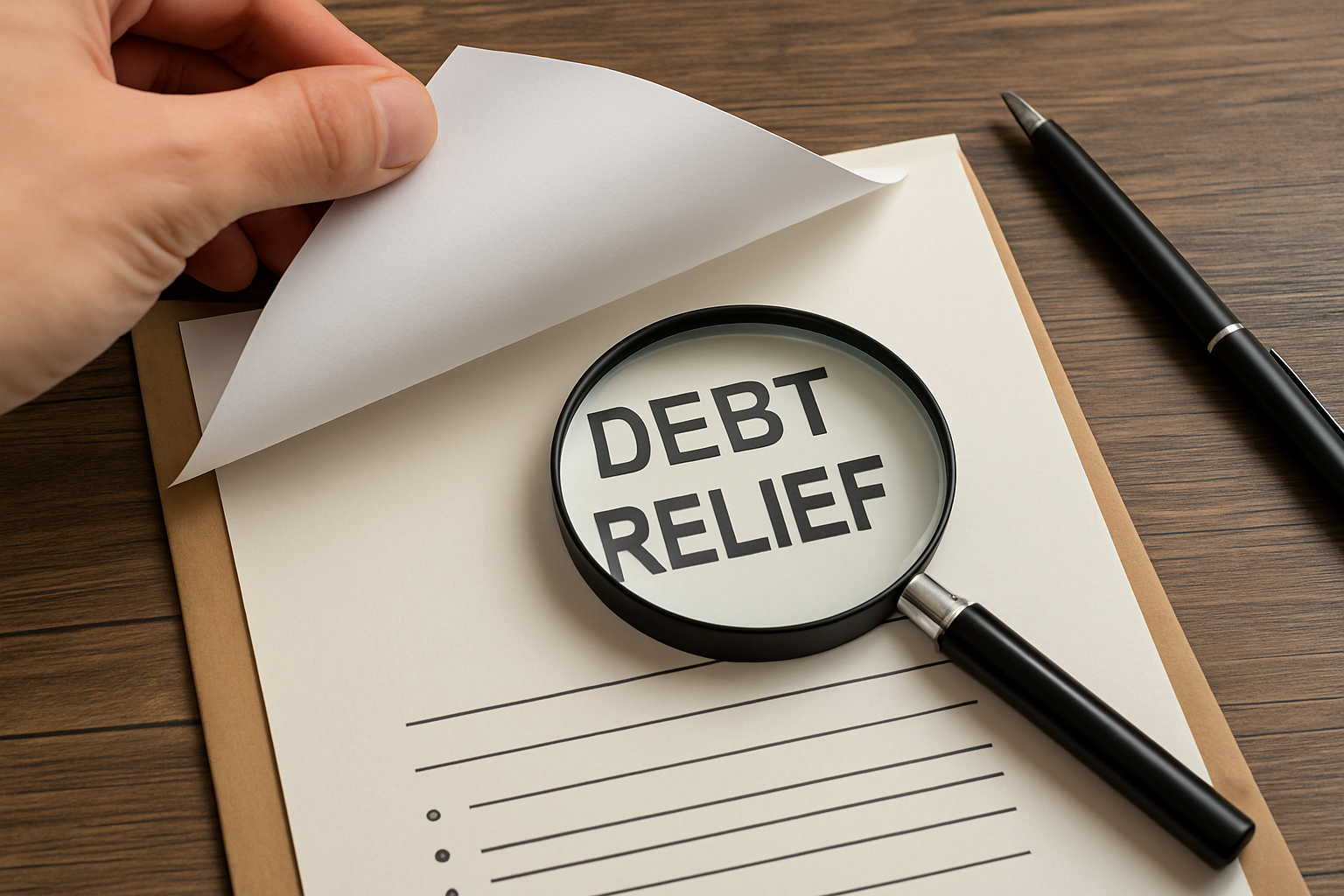
Understanding Debt Relief: The Basics
Navigating through financial challenges can be daunting, and many individuals and families find themselves exploring debt relief options. However, understanding the intricacies and fine prints associated with these options is crucial to avoid any pitfalls and make informed decisions.
What is Debt Relief?
Debt relief refers to a variety of solutions designed to assist individuals struggling with debts by either reducing or restructuring their current obligations. These strategies can include debt consolidation, debt settlement, bankruptcy, and credit counseling. Although potentially beneficial, each comes with its own set of terms and conditions.
How Does Debt Relief Work?
The primary goal of debt relief is to reduce the burden of debts, often by negotiating with creditors for a lower payment amount or extended payment terms. This can include:
- Debt Consolidation: This involves taking out a new loan to pay off multiple debts, typically with a lower interest rate.
- Debt Settlement: This strategy requires negotiating with creditors to accept a reduced payment as a full settlement of your debt.
- Bankruptcy: A legal process where individuals can get relief from debts, although specifics vary depending on the type of bankruptcy filed (like Chapter 7 or Chapter 13).
- Credit Counseling: Professional guidance to help individuals tackle debt through budgeting and financial planning.
The Importance of Reading the Fine Print
Understanding the fine print in debt relief agreements is crucial. Failing to do so can lead to unexpected consequences that may worsen financial situations rather than improve them.
Common Fine Print Elements to Consider
- Fees and Penalties: Many debt relief services charge fees either upfront or upon completion. These can significantly increase the total amount you need to repay.
- Credit Score Impact: Debt relief strategies, particularly debt settlement and bankruptcy, can negatively impact credit scores.
- Tax Implications: Forgiven debts may be considered taxable income, resulting in a surprise tax bill.
- Contract Terms: The terms around repayment schedules and conditions for relief must be fully understood, as missing payments can reignite initial issues.
A 2026 survey by the Consumer Financial Protection Bureau emphasizes that nearly 60% of consumers were unaware of the impact that debt relief could have on their taxes and credit scores.[Source]
Real-World Examples of Debt Relief
Let's examine some real-world scenarios to better understand how debt relief plays out.
Case Study: Debt Consolidation
Imagine Jane, who has amassed credit card debt on three different cards at high-interest rates. She opts for a debt consolidation loan at a lower rate. The consolidation helps Jane manage her payments more effectively, saving on interest in the long run.
Case Study: Debt Settlement
Mark faces overwhelming credit card debt. After negotiating through a debt settlement company, he manages to settle his debt for 60% of the original amount. This process, however, temporarily damages his credit score and incurs some settlement fees.
Frequently Asked Questions About Debt Relief
Will Debt Relief Companies Help My Credit Score?
The impact of debt relief on your credit score varies. While debt management plans may help improve your score in the long term through consistent payment history, debt settlements and bankruptcies often result in a temporary score decrease.
Are There Ethical Concerns with Debt Relief Companies?
Consumers should be cautious of fraudulent companies that promise too-good-to-be-true results. Research, verify accreditations, and read reviews before engaging with a company. The Federal Trade Commission offers guidance on legitimate debt relief agencies.[Source]
Is Bankruptcy Considered Debt Relief?
Yes, bankruptcy is a form of debt relief that provides a legal mechanism for discharging debts. However, due to its severe impact on credit ratings and potential asset liquidation, it should be considered a last resort option after exploring other alternatives.
Conclusion: Making Informed Debt Relief Decisions
Debt relief offers viable solutions for those in financial distress but comes with fine print that can have long-lasting effects. By thoroughly understanding these terms and consulting with financial advisors, individuals can choose the best path forward to achieve financial stability.
For those considering these options, resources like the National Foundation for Credit Counseling provide additional tools and guidance.[Source]
Remember, being proactive and informed is the key to navigating the challenges of debt relief successfully.